
Lieferung heute & morgen

Qualitätsgarantie

Willkommens-Angebote freischalten: KOSTENLOSE Lieferung | Bis zu 80 % RABATT | Kostenlose 30-Tage-JoyPlus-Testphase
App herunterladen
Anyone looking to buy sports nutrition supplements will find products for protein intake, muscle building, performance and post-workout recovery in a wide range of formats. However, choosing based on packaging design or advertising claims can lead to unsuitable purchases. What really matters is clear, reliable information about dosage, ingredients, allergens and serving size.
One scoop or three tablets is not a standard basis for comparison. With whey protein, you should check the protein content per serving and per 100 g. With creatine, it is the actual amount of creatine monohydrate that counts, not simply the total weight of the pack.
For example, a protein shake made with 30 g of powder may provide 22.2 g, 24 g or 27 g of protein. The remainder consists of flavourings, sweeteners, thickeners or other ingredients, among other things.
BCAA powder, amino acids, glutamine powder and a pre-workout supplement are intended for different situations. If you already get enough protein from your diet, you do not necessarily need several additional amino acid products.
With combination products, you should also check how much of each individual component is included per serving. A product containing whey protein and creatine can be convenient, but it is less flexible to dose than two separate products.
Powder needs to be measured and mixed. Creatine gummies are easier to take on the go, but according to the product information they contain, among other ingredients, glucose syrup and sugar. Creatine tablets allow you to count out an exact number, but they require you to swallow several tablets with sufficient liquid.
The right format therefore depends on your daily routine, the level of dosing accuracy you want and your personal preferences – not just on the product’s advertising.
For a protein powder, the following information is particularly relevant:
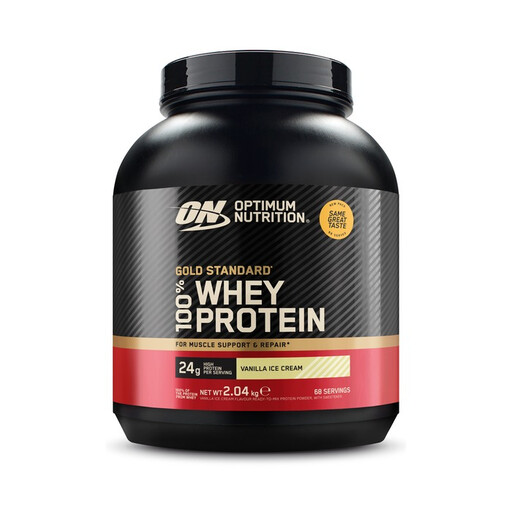
The Optimum Nutrition Gold Standard 100% Whey - 2000 g - French Vanilla Creme states 24 g of protein per 32 g serving and 119 kcal, according to the product description. The blend contains whey isolate, whey concentrate and hydrolysed whey isolate. Milk and soya are listed as allergens. The packaging information remains decisive for the specific flavour.
The Mammut Nutrition Whey Protein, Chocolate, 1000 g lists 27 g of protein in a serving of 25 g of powder mixed with 300 ml of low-fat milk. For a direct comparison, you should therefore check whether the figure refers to the powder alone or to the prepared shake.
For creatine products, creatine monohydrate should be clearly listed among the ingredients. The daily serving and the number of units to be taken are also important.
According to the product information, WeightWorld Creatine Monohydrate 3000 mg 270 Tablets provides 3,000 mg per serving from three tablets. The tub contains 270 tablets, which works out at 90 servings when taking three tablets a day.
WeightWorld Creatine Gummies 5000mg 90 Gummies lists 5,000 mg of creatine monohydrate per serving from three gummies. In addition to creatine, the product contains glucose syrup and sugar, among other ingredients. For both products, adequate daily fluid intake is recommended. The recommended daily amount must not be exceeded.
A pre-workout supplement or amino acid product may contain additional active ingredients. According to the product description, Optimum Nutrition Essential Amino Energy - 270 g - Lemon & Lime contains 100 mg of caffeine per serving, 5 g of amino acids and 30 kcal. People who are sensitive to caffeine, as well as pregnant women, should follow the information on the label and seek medical advice if unsure.
If you have a milk, soya, gluten or nut allergy, the complete ingredients and allergen list is more important than general statements such as “suitable for athletes”. Food supplements are not a substitute for a varied diet or an active training plan.
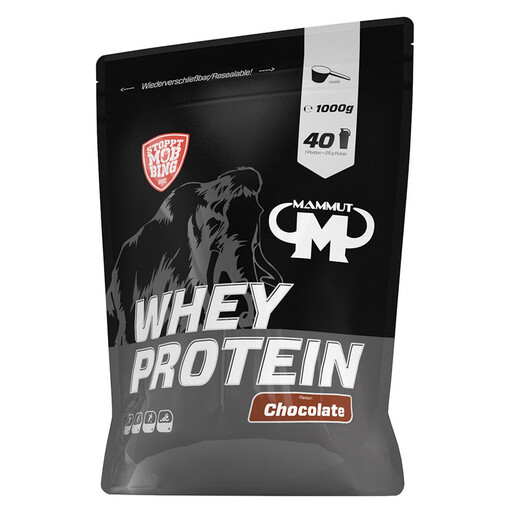
Why this product suits this profile: The 1,000 g pack is suitable for people who want to introduce protein powder into their daily routine gradually. One serving is specified as 25 g of powder.
The stated protein content is provided together with the preparation quantity. This makes it easier to assess the serving before buying.
27 g of protein according to the product information when prepared with milk; scoop included and suitable for use with water or milk.
Why this product suits this profile: The combination of whey protein and creatine appeals to strength-training enthusiasts looking for two commonly used products in one pack.
The protein and creatine content are listed separately per serving. Milk and soya are identified as allergens.
24 g of protein and 3.4 g of creatine per stated serving; 63 whey servings according to the technical product description.
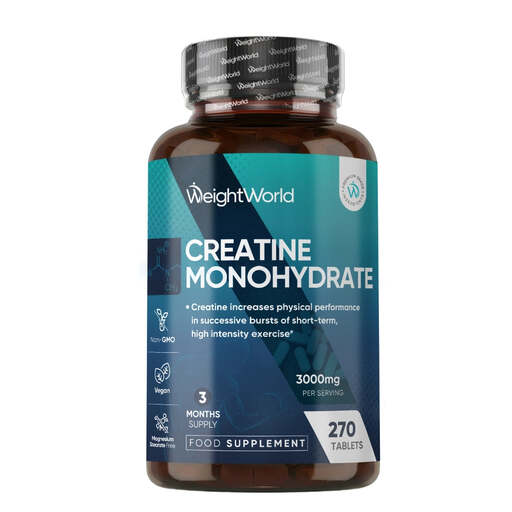
Why this product suits this profile: The tablet format is suitable for regular use without a shaker and can be portioned by counting the tablets.
The serving consists of three tablets and provides 3,000 mg of creatine monohydrate according to the product description. There is no unclear powder measurement.
270 tablets work out at 90 servings when taking three tablets a day; according to the product information, gluten-, milk- and soya-free.
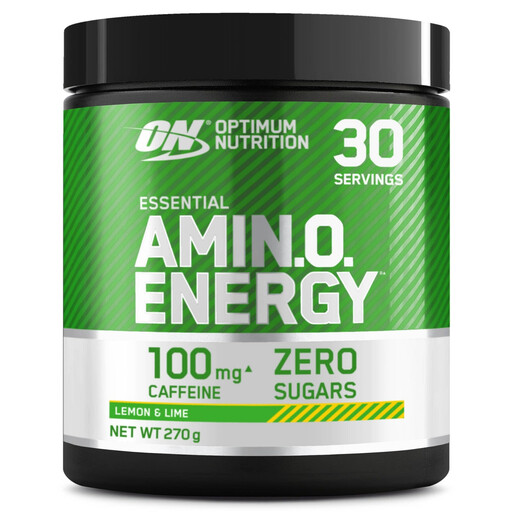
Why this product suits this profile: The powder is designed to be taken before, during or after training and combines amino acids with caffeine.
The caffeine content of 100 mg per serving is clearly stated. This makes it easier to coordinate the product with coffee or other caffeinated drinks.
5 g of amino acids per serving, 30 servings per container and a sugar-free formula according to the product description.
We have put together a complete, regularly updated list of products that fully meet these strict selection criteria and the safety regulations applicable in the EU.
Before buying, it is worth doing a simple calculation:
Depending on your diet, whey protein can be used in a protein shake, mixed into porridge or added to recipes. Creatine should be taken regularly according to the pack instructions; in everyday life, taking it consistently is usually more important than taking it at a specific time. BCAA powder, amino acids and glutamine powder should only be added if they fit your individual diet and training plan.
Protein powders such as whey protein may be suitable for daily protein intake if it is not convenient to get the required amount of protein from ordinary foods. Creatine monohydrate may be of interest to adults who engage in repeated short, intensive activities. These products are not a substitute for training or a balanced diet.
The best-before date and the packaging instructions are the key points. Opened products should be stored somewhere dry and cool, away from direct light. The container or bag should be closed tightly after every use. A prepared protein shake should be consumed promptly rather than stored for an extended period.
That depends on the pack price, the amount of creatine per serving and the number of servings. Creatine powder can allow for flexible dosing, while tablets and gummies may be more convenient when you are out and about. For a fair comparison, calculate the price per gram of creatine monohydrate. If you have health problems, take medication or have kidney issues, it is advisable to seek medical advice before use.