
Lieferung heute & morgen

Qualitätsgarantie

Willkommens-Angebote freischalten: KOSTENLOSE Lieferung | Bis zu 80 % RABATT | Kostenlose 30-Tage-JoyPlus-Testphase
App herunterladen
Whether you’re looking for running shoes, trail running shoes, trainers or sports shoes for children, don’t choose a pair based on colour, brand name or marketing claims alone. The key things to consider are intended use, fit, cushioning, outsole and care requirements. Checking these before you buy can help you avoid a poor purchase and choose a pair that suits everyday life in the UK.
Lightweight running shoes can feel comfortable during training. However, a low weight says little about fit or stability. For longer distances, changing surfaces or wider feet, the space inside the shoe, heel hold and sole construction are just as important.
A tread that provides grip on woodland paths may behave differently on smooth indoor floors or tarmac. When buying trail running shoes, check the outsole design. For wet rocks, mud and loose sand, details about the rubber compound and tread are more useful than general terms such as ‘outdoor’.
Shoe sizes can vary between brands, lasts and models. Before you order, measure your foot length in millimetres. For example, with the PELLIOT model, 265 mm corresponds to EU size 43 and 270 mm to EU size 44. You should also check whether the shoe is available in a standard or narrower fit.
For men’s, women’s and unisex running shoes, your actual foot shape matters more than the gender-specific label. Look for:
For children, you should also measure their feet regularly, as their foot length can change. For example, the Skechers Uno Lite girls’ shoes are available in several children’s sizes from EU 27 upwards.
An EVA midsole is commonly used in running shoes. It can make each step feel more comfortable and help with the foot’s natural roll. The actual effect depends on the foam’s firmness and shape, your body weight and running style, and the surface you run on. So don’t judge a shoe on claims such as ‘maximum cushioning’ alone.
The PELLIOT model features a highly elastic EVA midsole. According to the product description, the LI-NING Red Hare 9 Pro uses a two-layer BOOM foam system. These details make it easier to compare shoes, but they’re no substitute for trying them on.
The outsole is a key feature to check in non-slip running shoes and trail running shoes. Consider:
A breathable upper can feel comfortable in warm weather. Mesh and woven materials are usually breathable, but they don’t necessarily protect you from rain. For changeable conditions, also check for reinforcements and read the care instructions.

Why this product suits you: This unisex model is designed for roads, paths and routes that lead off the beaten track. Its size chart lists specific foot lengths from 245 to 275 mm.
The product details list the upper, EVA midsole, outsole and fit options separately. This makes it easier to compare the model fairly with other sports shoes.
Sandwich mesh and woven material; EVA midsole; ROCKYTEC rubber outsole, according to the product details.
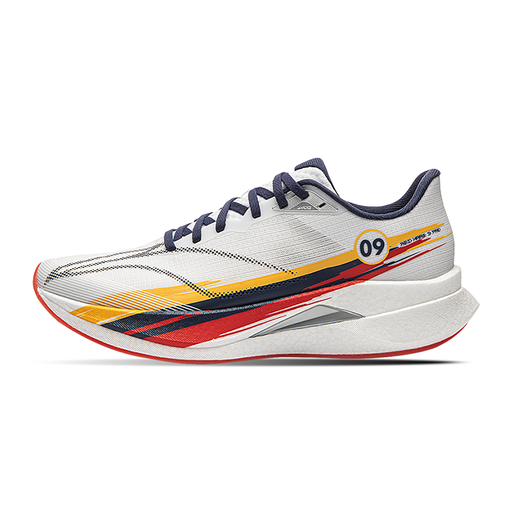
Why this product suits you: This model is designed for runners who value a wider last, clearly specified sole materials and a structured construction for training.
The description highlights a wider last and a woven upper. This can help if you want to avoid shoes that feel too tight.
Two-layer BOOM midsole; GCR rubber outsole; reflective details, according to the product name.
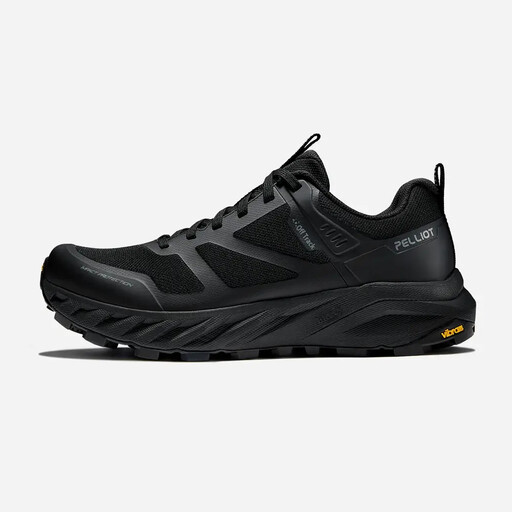
Why this product suits you: The model name identifies this shoe as a trail running style. It’s an option if you’re looking specifically for outdoor shoes for routes beyond paved roads.
Before buying, check the tread, materials, size and returns policy for this specific item. Don’t assume that the word ‘trail’ alone is a mark of quality.
Black design; listed as men’s trail running shoes; suitable for comparing with other outdoor shoes.
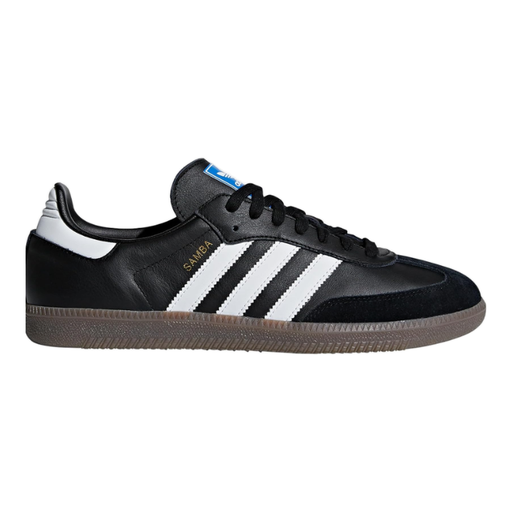
Why this product suits you: This low-profile trainer with leather and suede details is made for everyday wear and leisure. It’s a good choice when sporty style matters more than the construction of a running shoe.
Classifying it as a trainer helps set the right expectations for cushioning and off-road use. For regular running, designated running shoes are a better choice.
Synthetic upper; rubber sole; care with a damp cloth and soft brush, according to the product details.
We’ve put together a complete, regularly updated list of products that meet these strict selection criteria and fully comply with the safety regulations in force in the EU.
The lifespan of sports shoes depends on mileage, body weight, the surfaces you use them on, how you store them and the materials they’re made from. A set number of months is therefore not a very useful guide. Check your shoes regularly for:
Clean mesh and textile shoes by hand with mild detergent and cold water, following the manufacturer’s instructions. Direct heat, tumble dryers and irons can damage adhesives and materials. Leather or synthetic trainers can usually be cleaned with a damp cloth and soft brush.
For regular running, choose designated running shoes with suitable cushioning, secure heel hold and an appropriate outsole. Trail running shoes are designed for unpaved routes, while trainers such as the adidas Samba OG or Nike Dunk Low Retro are primarily intended for everyday wear and leisure.
Ideally, measure both feet in millimetres in the afternoon, then check the size chart for the specific model. Width, room for your toes and heel hold also matter. For children, repeat the measurements regularly.
It’s a good idea to replace them if the tread, midsole or upper is noticeably worn, or if the shoe no longer feels secure. The right time depends on its condition and how you use it, not just its age.