
Lieferung heute & morgen

Qualitätsgarantie

Willkommens-Angebote freischalten: KOSTENLOSE Lieferung | Bis zu 80 % RABATT | Kostenlose 30-Tage-JoyPlus-Testphase
App herunterladen
Choosing the right sports shoes for women and men starts with how you plan to use them, not their colour or brand name. Road-running shoes have different features from trail-running shoes, walking boots or basketball shoes. If you focus only on claims such as “maximum cushioning”, “ultra-lightweight” or “professional”, you can easily overlook important details.
A lightweight running shoe may feel comfortable on level ground, but it might not provide the support you need on loose stones, wet woodland paths or during quick changes of direction. Conversely, a grippy outdoor shoe can feel unnecessarily heavy on tarmac. The key is to find the right combination of surface, type of movement and length of use.
More foam doesn’t automatically mean better cushioning for you. A very soft midsole may feel comfortable when walking, while some runners prefer a more direct feel as their foot rolls through each stride. Look at the midsole material, sole height and personal fit rather than relying solely on marketing claims.
Sports shoes can fit differently depending on the last, brand and intended use. Running shoes should leave enough room for your toes to move. Basketball shoes, on the other hand, should fit closely without causing pressure points. If you wear thick walking socks, you may need more room inside the shoe than you would in an everyday pair.
Road-running shoes usually have flatter outsoles with an even tread. Trail-running shoes and outdoor shoes need a more pronounced tread to help the sole grip loose surfaces. On wet paths, the rubber compound, tread pattern and level of wear matter more than a general “non-slip” label.
For basketball shoes, lateral stability and grip when stopping and changing direction are especially important. The indoor sole should suit the court surface and be kept clean, as dust can reduce traction.
Materials such as EVA and TPU are often used in midsoles. EVA foam is lightweight and used in many running shoes; depending on how they’re constructed, TPU designs can offer a firmer, more direct feel. However, the term cushioned shoes doesn’t refer to a single standard. Check whether the shoe is designed for short runs, long distances, everyday wear or changing surfaces.
It’s best to measure both feet in the late afternoon, wearing the socks you plan to use. Compare your foot length with the size chart for the specific product. Check for:
A wide last may be a good option if you have wider feet. According to the product details, the close-fitting Li-Ning WADE 808 5 ULTRA V2 may be narrower across the forefoot; if you need more room, a half size up is suggested.
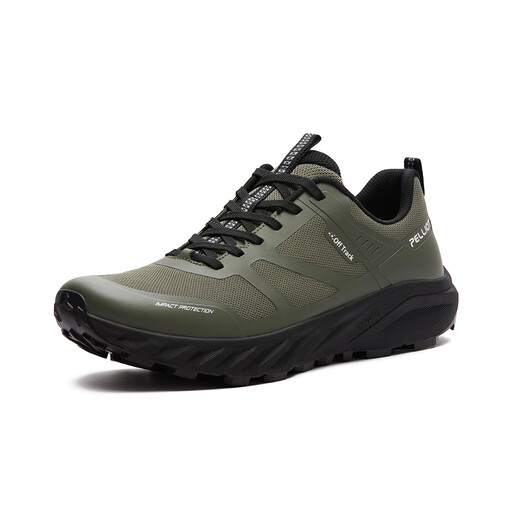
Why this product suits this profile: According to the product details, this shoe is designed for road running and transitions to lighter terrain, with a regular fit in EU 42.
The product details specify materials such as sandwich mesh, an EVA midsole and a ROCKYTEC rubber outsole, rather than making only vague promises about comfort.
Lightweight upper, EVA foam in the midsole and sizes from EU 39 to 45 listed in the product description.
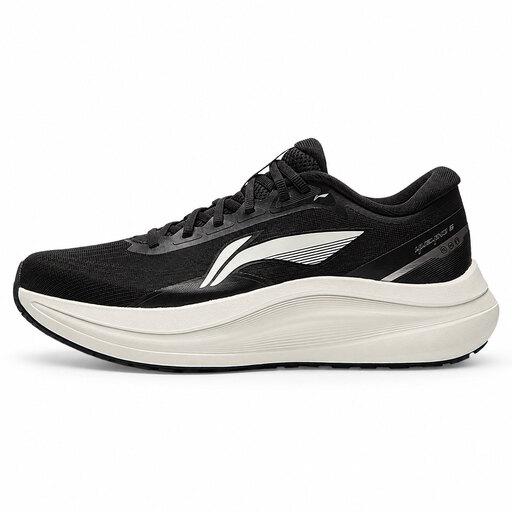
Why this product suits this profile: The described roomy toe box, reinforced heel and zoned rubber outsole are suited to runners who want to compare fit and support in detail.
The product details cover the construction, materials and sizing advice. A half size up is suggested as an option for wider feet.
Tempo Bounce midsole, widened heel and PROBAR-LOC support are listed as design features.
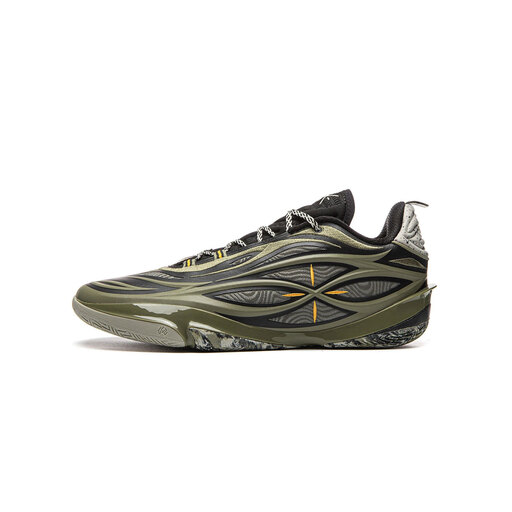
Why this product suits this profile: The design is made for basketball movements, where grip, lateral support and quick changes of direction all matter.
The sole is specifically described as having GCU rubber in the forefoot and TUFF-RB rubber in the heel. This makes it easier to assess than shoes with vague claims about grip.
Woven jacquard mesh, a TPU construction with a carbon-fibre plate and a close fit according to the product details.
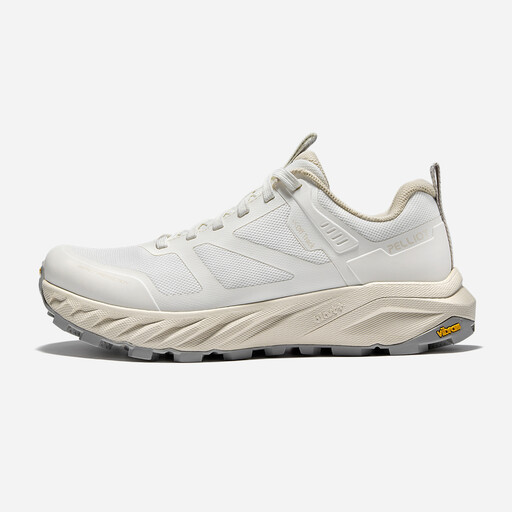
Why this product suits this profile: This model is for women looking for a tread suited to paths and uneven terrain, rather than a road-only shoe.
The trail-running category makes the intended terrain clearer than a general label such as “all-round sports shoe”.
Trail-focused construction and a specific size option in EU 37; check the measurements to make sure the fit is right before buying.
We’ve put together a complete, regularly updated list of products that meet these strict selection criteria and fully comply with the safety regulations in force in the EU.
Their lifespan depends on your body weight, how often you train, the surfaces you use them on, how you care for them and how they’re constructed. A running shoe worn every day will generally wear differently from a walking boot worn occasionally. Check the sole, upper and midsole regularly. Without details about how the shoes are used and which model you have, a set mileage isn’t a reliable guide.
Running shoes with suitable cushioning, a breathable upper and a secure heel fit are often a good choice for long distances. The key is to find a shoe that doesn’t pinch your toes or feel unstable through the midfoot. For mixed terrain, a model with a more pronounced tread may be a better option than a road-running shoe.
Running shoes may be fine for short walks on level paths. On loose stones, wet or steep terrain, or when carrying a heavy rucksack, walking boots usually offer a more suitable design thanks to their construction and tread. Trail-running shoes can be a middle ground, but they’re not automatically a substitute for sturdier walking boots on challenging routes.