
Lieferung heute & morgen

Qualitätsgarantie

Willkommens-Angebote freischalten: KOSTENLOSE Lieferung | Bis zu 80 % RABATT | Kostenlose 30-Tage-JoyPlus-Testphase
App herunterladen
Whether you're running, at the gym, or just going about your day, the right sports socks are often the most underrated piece of gear. But the selection is vast, and not every pair lives up to its promise. Many buyers invest in socks that quickly lose their shape, lead to blisters, or are simply uncomfortable. This guide highlights the pitfalls to avoid and the features that truly matter when making your choice.
Before we dive into the important features, here are three typical problems that can lead to a bad buy:
To avoid these problems, you should base your decision on objective criteria. The following three points are crucial for comfort, durability, and function.
The material composition is the most important factor for the performance of performance socks. Each material has specific properties:
A good fit goes beyond just the shoe size. Pay attention to these construction details:
The cuff height is not just a matter of style, but also of function:
Here are some recommendations tailored to different user profiles that take the above criteria into account.
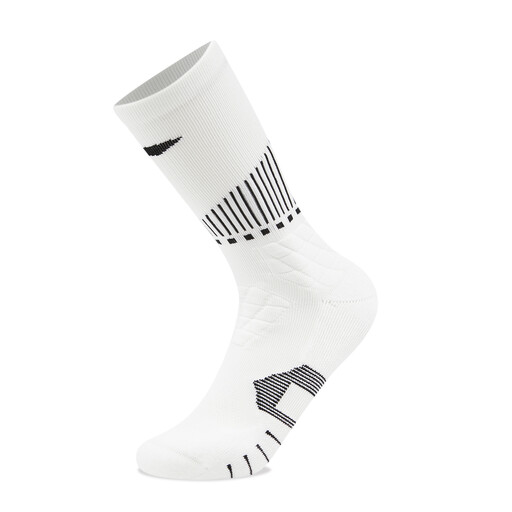
Why This Fits Their Persona: Ideal for athletes who value a secure fit and hygiene during dynamic sports like basketball. The mid-calf design protects the ankle, while the material is engineered for intense sessions.
The elastic cuff and durable material blend counteract the typical stretching and slipping inside the shoe.
According to the manufacturer, the material offers high antibacterial effectiveness against common bacteria and yeast, which prevents odour buildup.
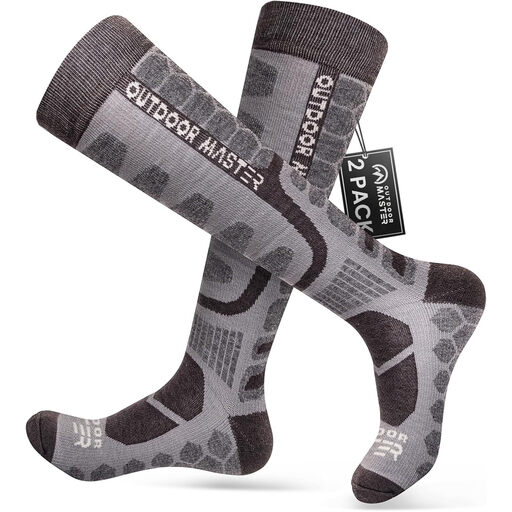
Why This Fits Their Persona: Designed for skiers and snowboarders who need warm, dry feet and muscle support for long days on the slopes. The knee-high fit is perfect for ski and snowboard boots.
The blend of Merino wool and synthetic fibres actively combats the problem of damp feet by wicking away moisture while providing insulation.
Targeted compression zones support blood circulation. The Merino wool provides warmth and natural odour resistance.
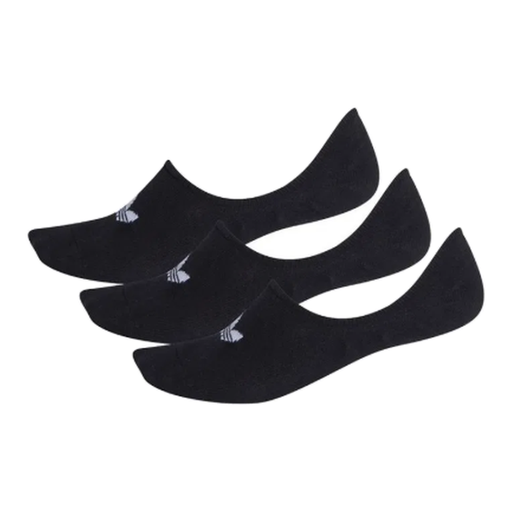
Why This Fits Their Persona: Perfect for style-conscious sneaker wearers looking for an invisible sock with a reliable fit. The convenient multi-pack is ideal for daily use.
The design from brands like adidas is engineered to stay securely on the heel, even with a low cut, minimizing annoying slippage inside the shoe.
The very low "no-show" cut makes the socks invisible in most sneakers. The polyester and cotton blend offers a great compromise between comfort and performance.
We have compiled a comprehensive, up-to-date list of products that fully meet these strict selection criteria and rigorous safety standards.
The main difference lies in the material and construction. While regular cotton socks absorb sweat and stay damp, performance socks are made from synthetic fibres or wool blends that actively wick moisture away from the foot. This keeps feet drier and helps prevent blisters. They also often feature additional padding and a better fit for athletic stress.
Sports socks are usually sold in size ranges (e.g., 39–42). Use your regular shoe size as a guide. If you are between sizes, it is often advisable to choose the smaller size to ensure a snug, wrinkle-free fit. However, always check the manufacturer's specific recommendations, as fits can vary.
No, compression socks can be beneficial for a wide range of people. They are not only used by elite athletes to aid recovery and performance. Casual runners, hikers, or people who stand or sit for long periods at work can also benefit from the supportive effect on blood circulation.