
Lieferung heute & morgen

Qualitätsgarantie

Willkommens-Angebote freischalten: KOSTENLOSE Lieferung | Bis zu 80 % RABATT | Kostenlose 30-Tage-JoyPlus-Testphase
App herunterladen
Sports socks should stay securely in place when you’re running, working out, at work or going about your everyday life. Yet eye-catching product claims don’t always help you choose the right pair. The details that matter most are the fabric composition, length, size and construction — not the marketing buzzwords. This buying guide helps women and men compare sports socks, women’s socks and men’s socks on their merits.
Socks are often marketed as breathable using general claims. The specific fabric composition gives you more useful information. Cotton can feel comfortable, but it absorbs moisture and dries at different speeds depending on the knit. Synthetic fibres such as polyester, polyamide and nylon are often used to help socks retain their shape and wick away moisture.
For bamboo socks and blended fabrics, it’s also worth checking which fibres they actually contain. The name alone tells you little about how the finished product is made.
Trainer socks and ankle socks usually sit below the ankle. Quarter socks come up higher, providing more coverage and contact with the skin when you’re working out or wearing shoes with a higher upper. Socks that are too short can slip down inside your shoes, while longer styles may show above low-cut trainers.
A 6-pack or 8-pack is only practical if the size, material and fit work for your everyday needs. A 3-pack may be enough if you only work out occasionally. If you run or work every day, or need several pairs between washes, a larger pack may be more useful. However, the number of pairs shouldn’t be your main deciding factor.
For everyday wear and the office, cotton socks with a soft feel are an obvious choice. For longer training sessions, moisture-wicking socks with mesh or synthetic fibres are worth considering. They can help draw moisture away from your feet, but you can only assess their drying performance properly using standardised product data.
Look for:
Your socks should fit closely without digging in. Check the size guide for each product before you buy. Brands use different sizing systems, including EU, UK and US sizes, as well as foot length in centimetres.
The products featured here, for example, range from EU 35–38 to EU 47–49. This shows why you shouldn’t assume your shoe size will automatically match the sock size. Sports socks that are too big can bunch up, while a pair that’s too small can put lasting strain on the fabric’s elasticity.
A cushioned sole can be useful in running, walking or training socks. For business shoes or close-fitting trainers, a thinner style is often a better fit. Running socks don’t automatically need heavy cushioning; what matters more is choosing a thickness and cut that suit your shoes.
For everyday wear, women’s socks and men’s socks don’t necessarily differ because of gender. More often, the differences are in the available sizes, colours and cuts. Unisex styles can be a practical alternative, as long as the size guide works for you.
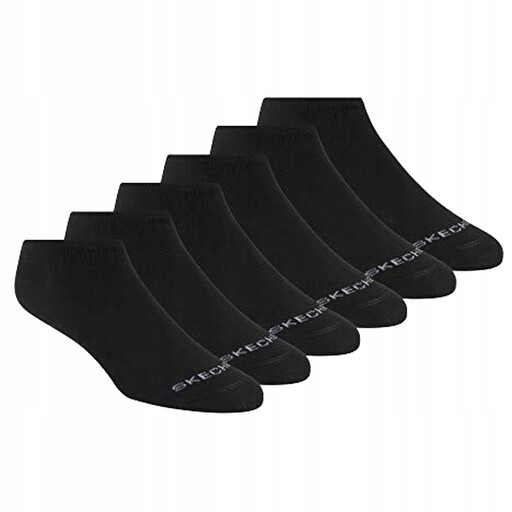
Why this product suits this shopper: This 6-pack is for women who need several pairs of cotton socks for work, leisure and regular washing. The stated size range covers EU 35–39.5.
The product details specify 100% cotton. That makes it easier to assess than a product relying on vague claims about comfort.
Six pairs, 100% cotton according to the product details, and a black colour for frequent everyday wear.
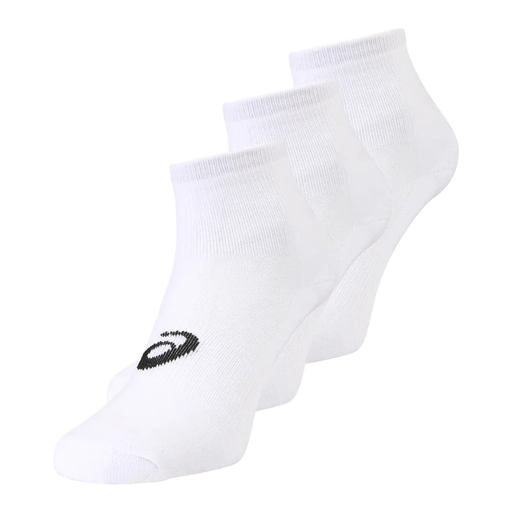
Why this product suits this shopper: Quarter socks for training, fitness and running, with a clearly stated fibre composition and EU sizes ranging from 35–38 to 47–49.
The product details list 69% cotton, 24% polyester, 5% polyamide and 2% elastane, as well as a 40 °C wash temperature.
Ankle-high length, a 3-pack and a size range for women and men.
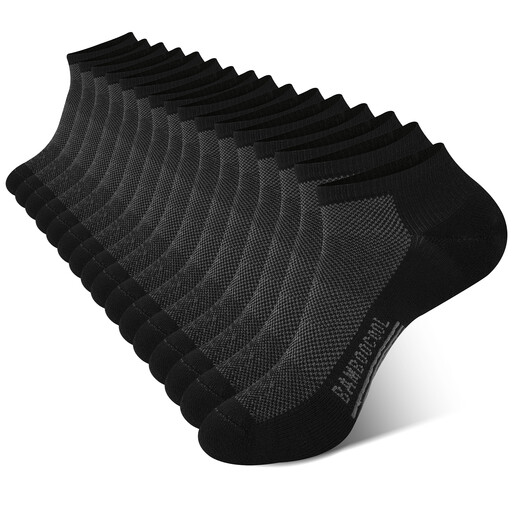
Why this product suits this shopper: The low ankle cut and eight-pair pack are suited to people who run, walk, work out or spend long periods on their feet.
The product details mention mesh fabric, moisture wicking, a cushioned sole and reinforced heels and toes, rather than relying on a general sports claim.
Eight pairs, a cushioned sole, arch support according to the product description, and reinforced high-wear areas.
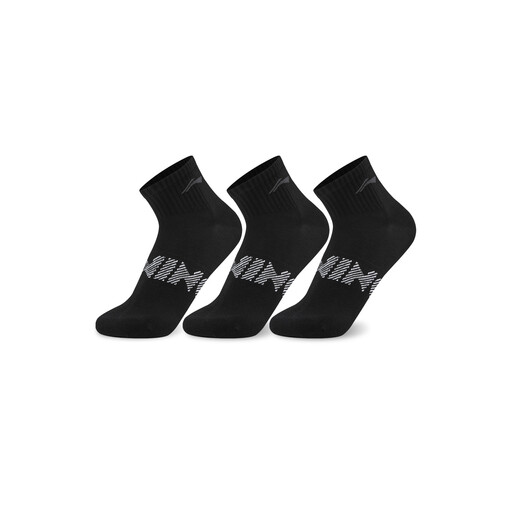
Why this product suits this shopper: This low-cut unisex style works for sport, short trips and everyday wear, provided the stated foot length of 22–24 cm is right for you.
The fabric blend is listed as 57% cotton, 23.8% acrylic, 17.1% nylon and 2.1% elastane. Care instructions and foot length are also provided.
A 3-pack, a 3D heel area according to the product description, and a ribbed cuff for a close fit.
We’ve put together a complete, regularly updated list of products that meet these strict selection criteria and fully comply with the safety regulations in force in the EU.
How long your socks last depends on how often you wear them, how well your shoes fit, and how you wash and dry them. Always check the label and product page for care instructions. These tips are often helpful:
A good fit helps prevent creases and unnecessary rubbing. However, it can’t make up for ill-fitting shoes and isn’t a medical aid.
For running, choose a cut and thickness that work with your running shoes. Depending on the style, mesh panels, moisture wicking, a cushioned sole and reinforced heels and toes may all be worth considering. The most important things are a clear fabric composition and a fit that doesn’t crease.
A 3-pack may be enough if you only work out occasionally. For daily sport, work and frequent washing, 6- or 8-packs are more practical. Also consider whether you need different lengths, such as trainer socks, ankle socks and quarter socks.
Cotton can feel soft and comfortable, making it a good choice for everyday wear and light activity. For longer or more intense sessions, blends with synthetic fibres may offer benefits in shape retention and moisture management. Check the fabric composition and choose socks to suit the activity.