
Lieferung heute & morgen

Qualitätsgarantie

Willkommens-Angebote freischalten: KOSTENLOSE Lieferung | Bis zu 80 % RABATT | Kostenlose 30-Tage-JoyPlus-Testphase
App herunterladen
Whether you're running, at the gym, or just going about your day, the choice of the right sports socks is often underestimated. They are the critical link between your foot and your shoe, and can make the difference between comfort and blisters. However, many buyers fall into common pitfalls, lured by supposed quality features that prove to be disadvantageous in practice. This guide will help you separate the wheat from the chaff and make an informed decision.
As a Joybuy Product Recommendation Officer, I analyse product information for you and highlight the criteria that truly matter, so you can make a selection that fits your needs.
To avoid the pitfalls mentioned above, you should check two to three key features before buying. These are crucial in determining the function, comfort, and durability of your socks.
The material blend is the core of a good sports sock. Instead of opting for pure natural fibres, performance blends are the better choice for most activities.
The height of the sock should be matched to the shoe and the sport.
Instead of making a one-size-fits-all recommendation, we have selected models that are tailored to specific user profiles.
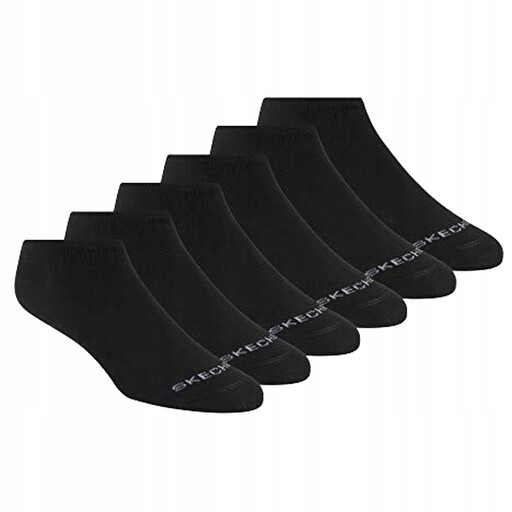
Why This Fits Their Persona: Ideal for daily use in trainers and casual shoes. The 6-pack offers excellent value for users who prioritise comfort and brand quality for everyday wear, without needing specialised athletic performance.
These socks avoid the 'cotton trap' because they are designed for their intended purpose: moderate daily activity. Here, cotton plays to its strength (comfort) without becoming a problem through heavy sweating.
High cotton content for a soft feel; No-show cut that stays invisible in trainers; Convenient multipack.

Why This Fits Their Persona: Designed for training, running, and fitness. The material blend of cotton, polyester, polyamide, and elastane offers balanced performance for athletes who value dry feet and a supportive fit.
The performance fabric wicks moisture away, preventing the problem of wet cotton socks. The quarter cut sits securely above the ankle and prevents slipping inside the shoe, thus avoiding the 'fit trap'.
Breathable knit construction for dry feet; Ankle-high cut for versatile use and support; Durable material blend.
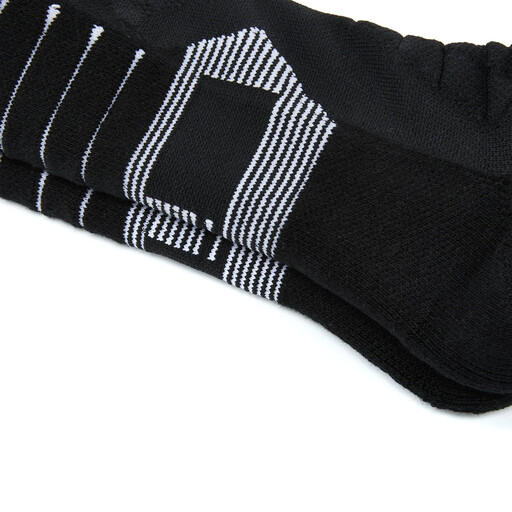
Why This Fits Their Persona: These basketball socks are designed for high-impact activities. The mid-calf cut offers protection and support, while the specialised material technology addresses the needs of athletes during intense, sweat-inducing activities.
These socks are purpose-built, avoiding the 'one-size-fits-all' trap. The elastic cuff ensures a secure fit without digging in, and the antibacterial finish specifically addresses hygiene issues during heavy use.
Highly efficient antibacterial protection (according to manufacturer specifications); Elastic cuff for a secure hold; Skin-friendly, soft, and elastic fabric.
We've compiled a comprehensive, up-to-date list of products that meet these strict selection criteria.
1. What is the best material for sports socks? For most athletic activities, a material blend of synthetic fibres like polyester or polyamide (for moisture-wicking) and a small amount of elastane (for fit) is ideal. A cotton component can increase comfort but should be kept to a minimum for sweat-inducing sports to avoid wet feet.
2. What is the difference between running socks and regular socks?Running socks differ from everyday socks in several functional ways. They are made from moisture-wicking materials, often have a seamless toe to prevent friction, and feature targeted cushioning in the heel and ball of the foot to absorb impact and increase durability.
3. How do I care for my sports socks properly to extend their lifespan? Always follow the manufacturer's care instructions. Generally, it is recommended to wash sports socks after each use at a maximum of 40°C (104°F). Avoid fabric softener, as it can clog the fibres and impair breathability. Air-drying is gentler on the material than using a tumble dryer.