
Lieferung heute & morgen

Qualitätsgarantie

Willkommens-Angebote freischalten: KOSTENLOSE Lieferung | Bis zu 80 % RABATT | Kostenlose 30-Tage-JoyPlus-Testphase
App herunterladen
Whether you're running, at the gym, or on a hike, the right sports socks are often the most underrated piece of your gear. While shoes get most of the attention, unsuitable socks can quickly lead to blisters, excessive sweating, and discomfort. Many buyers fall into common pitfalls created by clever marketing or widespread misconceptions. Before you make a decision, you should know the most frequent mistakes.
Pitfall 1: The '100% Cotton' Myth Cotton is comfortable for everyday wear, but it's often unsuitable for athletic activities. The material absorbs sweat instead of wicking it away. This damp fabric rubs against the skin, which promotes blistering and can make your feet feel cold.
Pitfall 2: The 'One-Size-Fits-All' Lie Socks that cover too wide a size range (e.g., 39–46) cannot guarantee a precise fit. They tend to slip inside the shoe, bunch up, and create tension at the toes or heel—all of which cause friction and pressure points.
Pitfall 3: Excessive Padding as a Cure-All Thick padding might seem comfortable at first glance, but it can be counterproductive. Too much material traps heat, reduces your feel for the ground, and can take up too much volume in a snug-fitting athletic shoe, which in turn creates pressure.
To avoid a bad buy, you should focus on three key parameters that determine the performance and comfort of technical socks.
Modern men's and women's performance socks rely on synthetic fibres or material blends. Look for the following components:
Good breathable socks are almost always based on a thoughtful blend of these materials.
A high-quality sports sock is more than just a tube of fabric. Construction details are crucial for comfort:
Instead of being thick all over, cushioned socks for sports are often padded only in strategic areas.
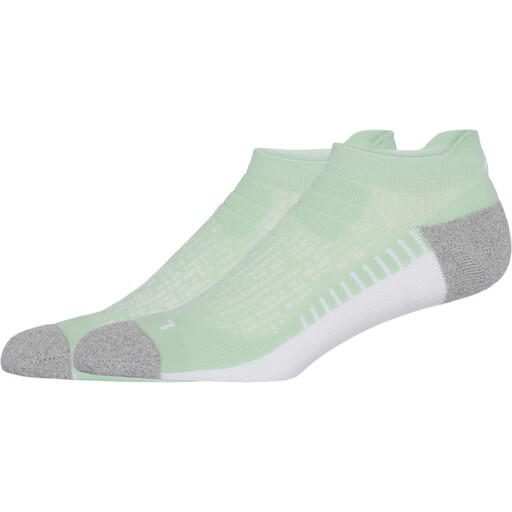
Why This Fits Their Persona: This sock is specifically designed for runners who value performance during intense training and fast-paced runs. The lightweight construction and specific features support the foot exactly where it's needed.
Instead of thick, heat-retaining padding, this model uses targeted, lightweight cushioning in high-impact zones. The seamless construction and elastic ankle band prevent slipping and friction.
Advanced moisture management keeps feet dry and helps reduce the risk of blisters. The lightweight, breathable structure ensures optimal air circulation.
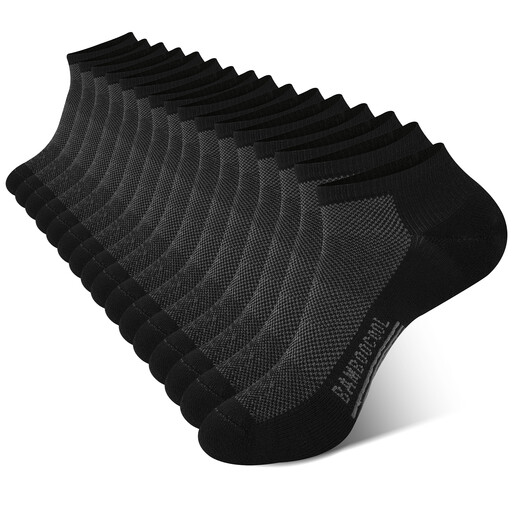
Why This Fits Their Persona: Ideal for individuals who switch between cardio machines, weight training, and classes at the gym. The sock offers a balanced mix of cushioning, support, and durability for a variety of stresses.
Rather than an imprecise fit, this model provides targeted arch support, which increases stability and prevents fatigue. The moisture-wicking fabric counteracts the "cotton effect."
The fully cushioned sole provides shock absorption during jumps or on the treadmill. Reinforcements at the heel and toe increase durability for intense use.
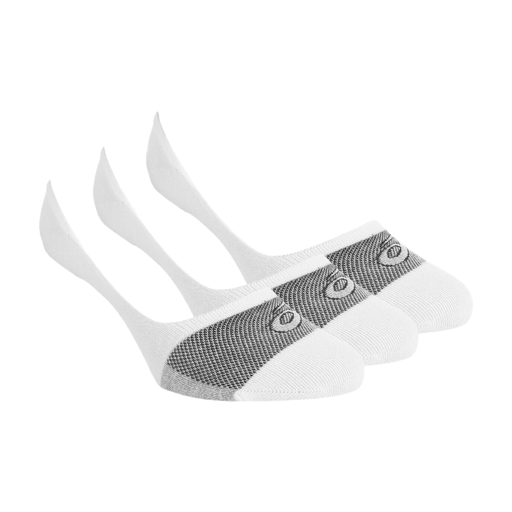
Why This Fits Their Persona: Perfect for daily wear in sneakers, whether on the way to work, during a walk, or for light athletic activities. The short cuff makes them invisible in the shoe. The multipack offers excellent value for money.
The material blend of 76% cotton and 24% synthetics offers a compromise between a soft feel and improved functionality. The seamless toe cap prevents the friction that often occurs with ill-fitting everyday socks.
The moisture-wicking technology keeps feet drier and cooler, even on active days. The thin, soft material ensures high comfort without adding bulk.
We've curated a complete, up-to-date list of products that fully meet these strict selection criteria and safety standards.
To prevent sweaty feet, socks made from synthetic materials like polyester or polyamide, or blended fabrics with a high synthetic content, are the right choice. These materials wick moisture away from the skin instead of absorbing it like cotton. This keeps the foot drier and helps regulate the in-shoe climate.
Yes, but it depends on the type of cushioning. Strategically cushioned socks can prevent blisters by reducing pressure and friction in critical areas like the heel or the ball of the foot. However, padding that is too thick or covers the entire sock can have the opposite effect by creating more heat and moisture or making the shoe too tight.
For hygiene reasons and to maintain the material's performance, sports socks should be changed and washed after every use. Sweat and bacteria can not only lead to odor buildup but can also damage the fibres, compromising the sock's elasticity and moisture-wicking properties over time.