
Lieferung heute & morgen

Qualitätsgarantie

Willkommens-Angebote freischalten: KOSTENLOSE Lieferung | Bis zu 80 % RABATT | Kostenlose 30-Tage-JoyPlus-Testphase
App herunterladen
Sports socks need to do more than fit your shoes. Depending on your training, working day or the weather, the cut, material, moisture management and size all affect how comfortable they feel over time. If you focus only on colours, brand logos or terms such as ‘performance’, you could miss important details.
This buying guide explains what active women and men in the UK should look for when buying sports socks, and which styles suit different needs.
The label breathable socks is not a reliable quality indicator on its own. The material composition is what matters. Cotton can feel soft and absorb moisture, but it may take longer to dry, depending on the fabric. Polyester and other performance fibres often wick moisture away from your feet more quickly. Elastane adds stretch and helps the socks stay in place.
So, check:
No-show socks and women’s trainer socks can be handy with low-cut shoes, but they may not provide enough coverage with basketball or walking boots. A cuff that is too short can rub, while a higher leg may feel uncomfortable in warm weather.
Basketball socks are usually mid-length, with an elasticated cuff. For winter sports, merino ski socks offer more coverage, but should not be so thick that they feel tight inside your ski boots.
Terms such as ‘antibacterial socks’ usually refer to a textile treatment or yarn with certain properties. They are no substitute for regular washing and are not a medical claim. Likewise, any supposed compression effect should not be confused with a therapeutic benefit. If you have health concerns, seek medical advice.
Cotton socks are suitable for everyday wear, work and moderate temperatures. One example is the Skechers style made from 100% cotton, which, according to the product details, is designed for everyday wear and work environments. Cotton feels soft, but can stay damp for longer if your feet sweat heavily.
A cotton, polyester and elastane blend combines the properties of different fibres. According to the product description, the LI-NING Mid-Cut Socks are made from 59.3% cotton, 36.9% polyester and 3.8% elastane. They are designed for regular wear and a range of everyday situations.
Merino wool is often used in outdoor and winter sports clothing. According to the product description, the OutdoorMaster style contains 30% merino wool and features reinforced cushioning and compression zones. Always check the care instructions for wool blends, as high temperatures can affect the fit.
A sports sock should fit snugly around your foot, heel and leg without causing pressure points. Socks that are too large can bunch up, while socks that are too small can pull tight over your toes. For unisex sports socks, foot length is often a better guide than a general size label such as M or L.
For example, the Li-Ning basketball socks are listed across several size ranges for foot lengths of 220 to 310 mm. If you’re between sizes, the product details suggest choosing the larger option for a slightly looser fit.
Before you buy, check:
For training and sport, flat seams and reinforced areas at the toes and heel are useful features. An elasticated cuff should keep the sock in place without digging in. With compression socks, check the manufacturer’s size guide and the recommended use.
Care affects how long your socks last. Many styles should be washed at a low temperature, not bleached and, where possible, air-dried. Always follow the care instructions for the specific product.
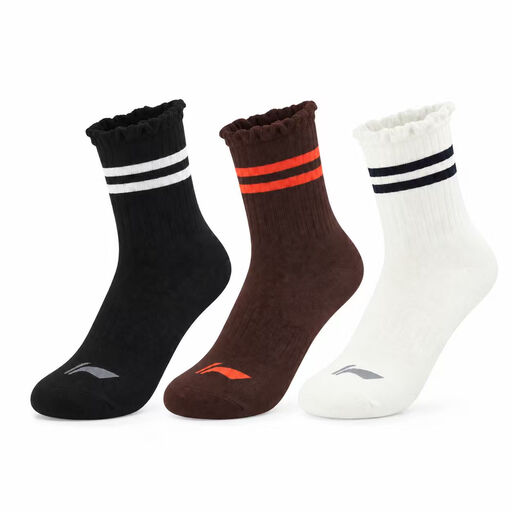
Why this product suits this profile: The pack contains three pairs, so you can rotate them regularly for everyday wear, training or your commute. The unisex design is made for women and men.
The pack size means you’re less likely to need to buy individual pairs as often. The material details make it easy to see the cotton, polyester and elastane content.
Three pairs, with 59.3% cotton and 3.8% elastane according to the product description; suitable for everyday unisex wear and regular rotation.
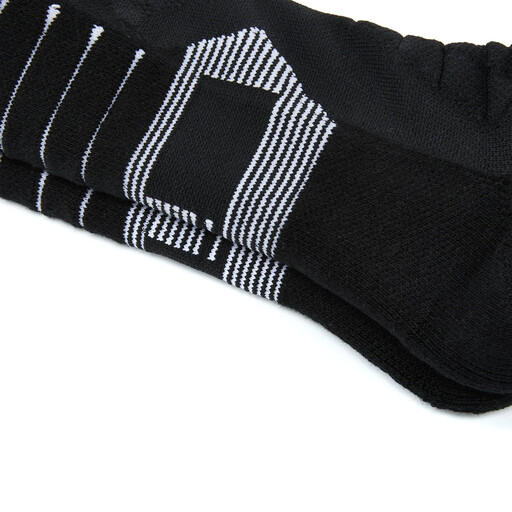
Why this product suits this profile: The mid-length leg, elasticated cuff and stretchy blend make these socks a good match for basketball, indoor training and an active everyday routine.
The product details list size ranges, foot lengths, materials and care instructions. The antibacterial treatment is described using test results provided by the brand, but it is no substitute for washing.
Mid-length design, jacquard pattern, polyester-elastane blend and stated details of the textile treatment.
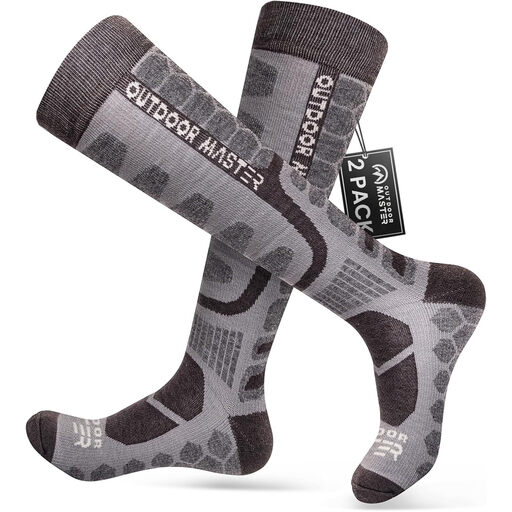
Why this product suits this profile: The over-the-calf design is aimed at winter sports enthusiasts and outdoor users who need two pairs to rotate between activities.
The product description lists the material content, size, leg length, cushioned zones and care instructions. This makes it easier to check that the socks will work with your footwear.
Two pairs, a 30% merino wool blend according to the product details, reinforced cushioning and stated compression zones.
For low-cut casual shoes, the Skechers Microfiber Non Terry No Show 3PK Women's Socks are one option. According to the product description, they’re made from lightweight microfibre and designed to sit discreetly below the shoe line: Shop Skechers no-show socks.
If you prefer cotton and a larger pack, the Skechers Women's 6-Pack Cotton NSHW Socks are listed as being made from 100% cotton: Shop Skechers 6-pack cotton socks.
We’ve put together a complete, regularly updated list of products that meet these strict selection criteria and fully comply with the safety regulations in force in the EU.
Change and wash your sports socks after every intense training session. Sweat, skin particles and residue from your shoes can build up in the fabric. The right washing temperature depends on the care label. Air-drying can help protect the elastane and maintain the shape.
Cotton socks can work well for light training, everyday wear and work. For long or intense sessions, check whether a blend with performance fibres would be better suited to how much you sweat. Fit, seam construction and how the socks work with your shoes also matter.
Check the size, the pressure profile stated by the manufacturer and the intended use. Compression socks should not crease or dig in uncomfortably. If you have circulation problems, pain or any concerns, it’s best to seek medical advice.