
Lieferung heute & morgen

Qualitätsgarantie

Willkommens-Angebote freischalten: KOSTENLOSE Lieferung | Bis zu 80 % RABATT | Kostenlose 30-Tage-JoyPlus-Testphase
App herunterladen
Sports socks should suit your shoes, your activity and how you like them to feel. When shopping, many people first look at the brand, colour or pack size. But other details matter more day to day: do the socks sit smoothly without creasing? Is the material right for how often you train? Does the cuff reach your ankle, or do you want your socks to stay hidden inside your trainers?
This buying guide explains what active men and women in the UK should look for in sports socks, running socks and short everyday socks.
The term breathable socks does not refer to a single, clearly defined material category. Cotton can feel pleasantly soft, but it absorbs moisture and can take relatively long to dry, depending on the knit. Synthetic fibres such as polyester and polyamide are often used to help wick moisture away from your feet and keep the material lightweight.
So check the actual material composition. A high proportion of synthetic fibres isn’t automatically better; it should suit the intended use. Cotton blends may be perfectly suitable for short walks and everyday wear, while lightweight, moisture-wicking fabric can be a practical choice for running.
Trainer socks, short socks, quarter socks and no-show socks aren’t always used consistently by retailers. A quarter sock usually reaches the ankle, while a no-show sock sits much lower and is designed to be barely visible inside your shoe.
Your shoes matter too: a quarter sock may show above a low-cut trainer. With running shoes, a slightly higher cuff can help prevent the shoe edge rubbing against your skin. Check the product image and the stated cuff length before you buy.
Padded socks often have a reinforced or terry-knit sole. This can feel comfortable on longer walks, during fitness sessions or in running shoes with enough room. But extra thickness can create pressure in a shoe that already fits snugly.
A common mistake is buying thick sports socks without considering how your shoes fit. Socks should fit closely without digging in. Creases around the toes, heel or sole are a sign that the size or construction may not be right for you.
Lightweight blends containing polyester, polyamide or elastane are often practical for training and running. Polyamide can help improve durability, while elastane adds stretch and helps the socks fit your feet. Cotton feels soft and suits many everyday situations.
If you train regularly, also look for moisture management, ventilation zones and a toe seam that feels as smooth as possible. These features can affect comfort inside your shoes, but they’re no substitute for choosing the right shoe size.
Sports socks are usually sold by EU shoe size. The size range can vary by brand and model. For example, the product details provided include the ranges EU 35–38, 39–42, 43–46 and 47–48. Other models go up to EU 47–49 or EU 50–53.
Before buying, check:
A 3-pack of socks is handy for regular wear and makes it easier to change socks as part of your training routine. A pack of six pairs may offer a lower price per pair, as long as the material, size and cut are right for you.
Check the care label. Some models can be washed at 40 °C and should be left to air dry. Others can go in the tumble dryer on a low heat setting. High temperatures can affect elastane and the socks’ ability to hold their shape. Always follow the manufacturer’s instructions rather than general washing advice.
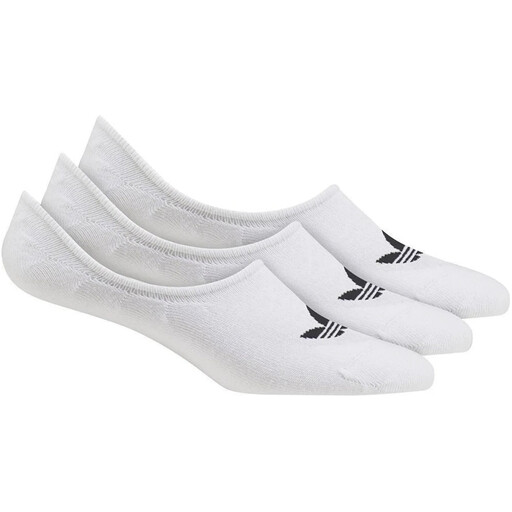
Why this product suits this profile: This three-pair pack has an extra-short cut, making the socks suitable for trainers and everyday rotation. According to the product details, sizes range from EU 35–38 to EU 47–48.
The specific material breakdown—49% polyester, 48% cotton and 3% elastane—is more informative than a vague claim about comfort.
Lightweight, thin fabric, linked toe seams and a 3-pack.
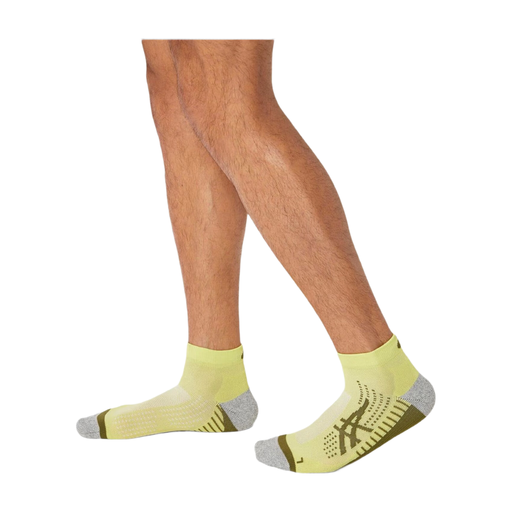
Why this product suits this profile: The quarter length, ventilation zones and anatomical left- and right-foot markings make these socks a good fit for regular runners and training sessions.
Rather than relying on the word “performance”, the product description specifies a padded sole, integrated arch support and ventilation zones.
97% polyamide and 3% elastane; according to the product details, these socks feature an ergonomic design and Nanoglide technology to reduce friction.
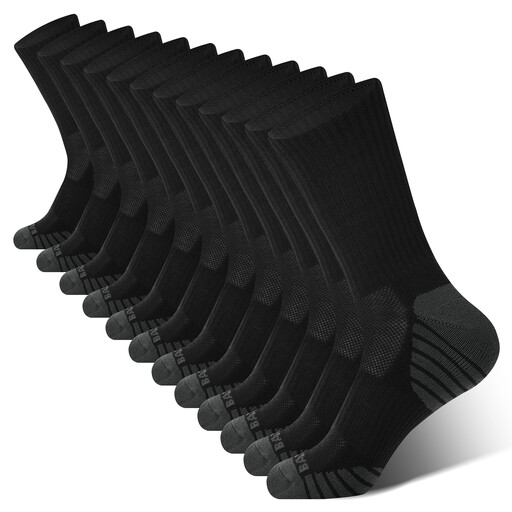
Why this product suits this profile: For regular use while running, hiking, training or spending long periods on your feet, the 6-pack gives you a handy supply of fresh socks.
The product details specify practical construction features: reinforced heels and toes, a padded sole and mesh fabric.
Arch-support construction, reinforced areas and a 6-pack; available in the stated size L.
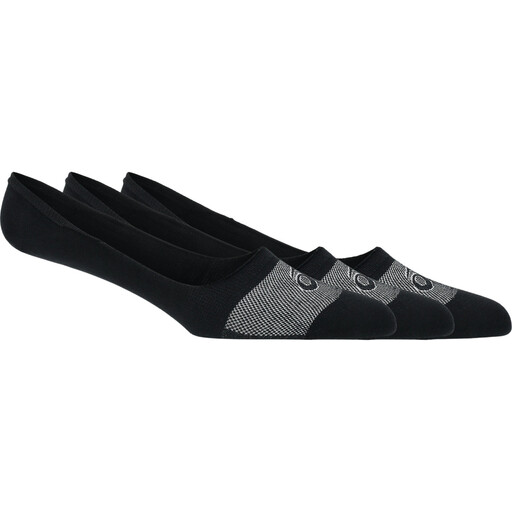
Why this product suits this profile: The low-cut design is barely visible inside your shoes, making these socks a good choice for trainers and everyday wear when you want to keep your socks discreet.
The product description highlights a low-seam toe cap and a specific blend of 75% cotton, 22% polyamide and 3% elastane.
A 3-pack, short cuff and size ranges from EU 35–38 to EU 50–53, according to the product details.
We’ve put together a complete, regularly updated list of products that meet these strict selection criteria and fully comply with the safety regulations in force in the EU.
Running socks are often designed for movement and may feature ventilation zones, an anatomical fit, a padded sole or a smooth toe area. Trainer socks, by contrast, are often especially short and thin. That’s usually fine for short everyday walks, but if you run regularly, it’s worth choosing the fit, material and cuff length more carefully.
Their lifespan depends on how often you wear them, the washing temperature, how they’re dried and how well your shoes fit. Thin socks may show signs of wear sooner with daily use than models with reinforced heels and toes. Change your sports socks after training and follow the care label to help protect their elasticity and fabric structure.
No. The extra thickness needs to suit the space inside your shoes. Padded socks can feel tight in a snug-fitting trainer. In running or hiking shoes with enough room, they may be a good option. The key is a smooth fit without creases or a cuff that digs in.