
Lieferung heute & morgen

Qualitätsgarantie

Willkommens-Angebote freischalten: KOSTENLOSE Lieferung | Bis zu 80 % RABATT | Kostenlose 30-Tage-JoyPlus-Testphase
App herunterladen
Sports socks should stay securely in place when you’re running, working out, hiking, at work or going about your day. But eye-catching marketing claims don’t automatically help you make the right choice. If you focus only on material descriptions or a low price per pair, you could end up with socks that slip, feel too warm or lose their shape after a short time.
Terms such as breathable socks and moisture-wicking socks describe a product feature, but don’t necessarily tell you exactly what the socks are made from. Cotton can feel comfortable and absorb moisture. During intense activity, however, it may dry more slowly than certain synthetic blends, depending on the knit.
So check the specific details about the material, mesh panels and care instructions. A high cotton content can be a good choice for everyday wear, the office and light activity. For longer runs or if you sweat heavily, blends containing polyester, polyamide or elastane are often more practical.
Padded socks can provide extra cushioning under the sole, heel and toes. But in a running shoe that already fits snugly, thick padding can take up valuable space and affect the fit.
The right choice depends on how you’ll use them. Thin trainer socks are better suited to lightweight shoes and everyday wear. More heavily padded soles are a better match for hiking boots, work shoes or footwear with enough room inside.
Stretchy socks may cover several shoe sizes, but they’re no substitute for choosing the right size. Socks that are too small can pull across your toes, while oversized pairs may crease and slip inside your shoes. Check the EU size and compare it with your usual shoe size. For unisex socks, it’s also worth checking the specific measurement in centimetres.
For everyday wear and the office, cotton socks with a soft feel are an obvious choice. For sport and longer periods of wear, these features are also worth considering:
How well a sock performs depends on its overall construction, not just one fibre content.
Short socks, low-cut styles and trainer socks stay hidden under many casual shoes. Quarter or crew socks come up higher and can cover more skin for training, hiking, work or when you’re wearing longer trousers.
With running shoes, it’s also important that the sock cuff doesn’t press into your foot. For work socks, look for hard-wearing heel and toe areas as well as a cuff that won’t keep slipping down.
A design described as having arch support usually features an elastic band or an extra knitted section around the midfoot. It isn’t the same as a medical insole. Check that the cuff feels comfortable and doesn’t dig in or crease.
Reinforced heels and toes can help reduce wear in high-stress areas. Also check the care instructions: washing temperature, tumble-drying and avoiding bleach can all affect a sock’s shape and durability. Multipacks, such as sports socks in packs of 3 or 6, make it easier to change pairs between wash days and can be more practical for everyday use.
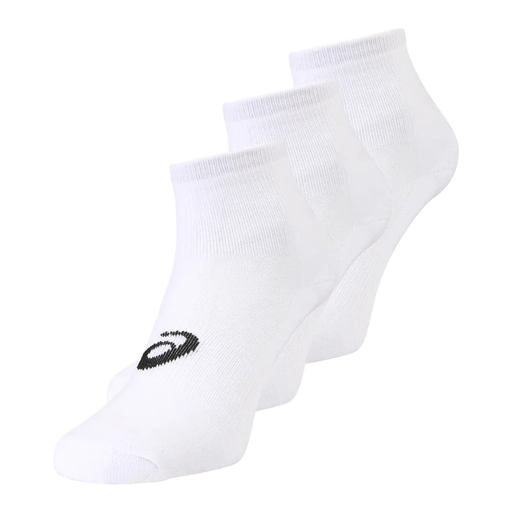
Why this product suits this profile: The 3-pack is a practical starter set for training, fitness and everyday wear. According to the product details, sizes range from EU 35–38 to EU 47–49.
The specific material blend—69 % cotton, 24 % polyester, 5 % polyamide and 2 % elastane—is more informative than a vague marketing claim about breathability.
Quarter length, unisex fit and machine washable at 40 °C, according to the product details.

Why this product suits this profile: The crew length, padded sole and reinforced heels and toes make these socks well suited to longer periods of wear, training and hiking.
The product description lists specific design features rather than making a general promise of comfort: mesh fabric, arch support and reinforced heels and toes.
6-pack, padded sole, elastic arch support and moisture-wicking fabric, according to the product details.
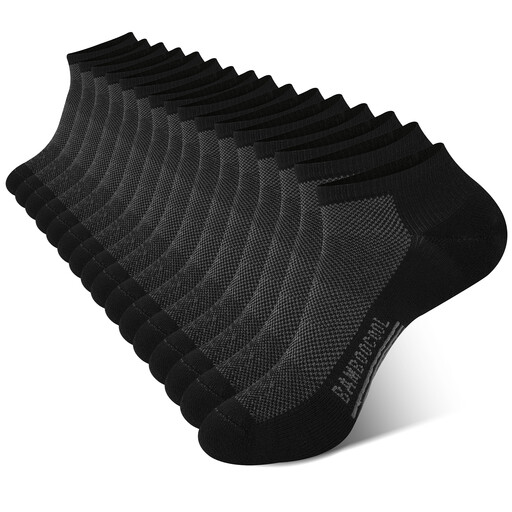
Why this product suits this profile: The low ankle length is designed for running, fitness, gardening and everyday wear. The 8-pack is ideal if you change your socks frequently.
The product details specify a reinforced heel and toe area as well as a fully padded sole. This makes it easy to check the key wear zones before you buy.
8 pairs, moisture management, padding and arch support, according to the product description.
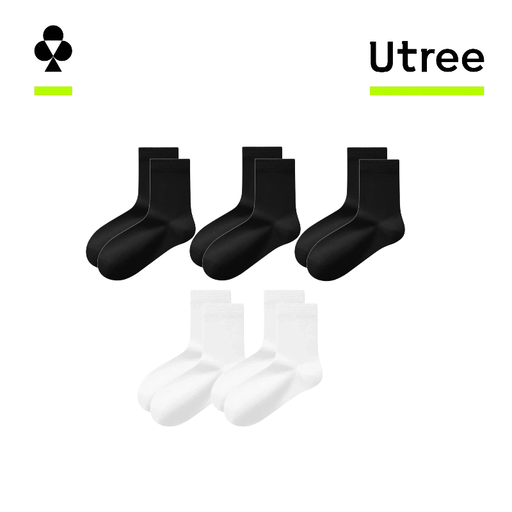
Why this product suits this profile: The thin, mid-length design is made for the office, business wear and long days in leather shoes.
The product description specifies 100 % cotton with no elastic fibres, a flat toe seam and a 3D heel construction. This makes it easier to check the material and fit.
Thin business style, 5-pack, 3D heel and size 24–26, according to the product details.
We’ve put together a complete, regularly updated list of products that meet these strict selection criteria and fully comply with the safety regulations in force in the EU.
Running socks often feature performance fabric blends, elasticated zones, mesh panels or padding. Everyday socks may focus more on cotton content, appearance and a slim fit. A versatile unisex style may be enough for occasional training; if you run regularly, check the length, fit and compatibility with your shoes.
How long they last depends on how often you wear them, how you wash them, how well your shoes fit and how much wear they get. The heels and toes are particularly prone to wear with daily use. Rotating several pairs can help each pair last longer. Follow the manufacturer’s washing instructions and avoid high tumble-dryer temperatures unless they’re recommended.
Cotton can be comfortable for light activity, everyday wear and work. For intense training, it’s also important to consider how quickly moisture is drawn away and how fast the fabric dries. So compare the full material composition, knit structure and care instructions rather than looking at the word “cotton” alone.