
Lieferung heute & morgen

Qualitätsgarantie

Willkommens-Angebote freischalten: KOSTENLOSE Lieferung | Bis zu 80 % RABATT | Kostenlose 30-Tage-JoyPlus-Testphase
App herunterladen
Sports socks need to do more than ordinary everyday socks: they should stay in place inside your shoes, wick away moisture and offer the right level of comfort for your sport. Yet many product descriptions don’t tell you much. Terms such as “breathable”, “antibacterial” or “performance” are no substitute for clear details about the material, size and construction.
Socks that are too small can feel tight around the toes and cuffs. Oversized styles may bunch up and cause friction inside your shoes. With basketball socks, running socks and padded sports socks in particular, it’s important to consider foot length, shoe size and fit together.
So look for:
If you’re between sizes, a slightly roomier fit may be a good choice, provided the sock doesn’t bunch up.
“Breathable socks” can be made from a wide range of materials. Cotton feels soft, but absorbs moisture and takes relatively longer to dry. Polyester, polyamide and blended fabrics are often used when a lighter, quicker-drying fabric is needed.
The term “moisture-wicking” doesn’t automatically tell you how the sock is constructed, either. Check whether the description also mentions mesh panels, a fine-knit structure or specific materials.
A thick sole isn’t always an advantage. Too much material can make your shoes feel tighter and increase the warmth inside them. For basketball, a reinforced sole and a supportive midfoot may be a good fit. For fast runs, lightweight running socks with targeted cushioning and as few friction points as possible are often more practical.
You shouldn’t choose non-slip socks based on the name alone, either. A good fit, an elastic midfoot and the right shoe size are what matter. Socks with grip features can’t make up for a poorly fitting shoe.
The fabric blend is an important point of comparison when choosing socks for training and everyday wear. Common materials include:
Specific fibre content tells you more than a general promise of breathability. For intense workouts, also look for flat or low-seam toe areas.
Ankle socks work well with many running shoes and low-cut trainers. Crew socks sit higher on the leg and can be a good choice for the gym, leisure wear or longer basketball shorts. Mid-length basketball socks cover part of the calf and stay securely in place in many indoor sports shoes.
Short trainer socks are another option for everyday wear. Browse our selection of men’s trainer socks if you’re looking for a discreet option to wear with casual shoes.
Reinforced heels and toes can help reduce wear and tear from everyday use, but they don’t guarantee a particular lifespan. Frequent washing, high tumble-dryer temperatures and friction inside your shoes can all affect how long socks last.
So remember to:
When you see claims about antibacterial socks, distinguish between a textile treatment and a medical effect. According to the relevant brand’s product information, certain treatments may have been laboratory-tested against selected microorganisms. This does not amount to a medical or therapeutic claim.
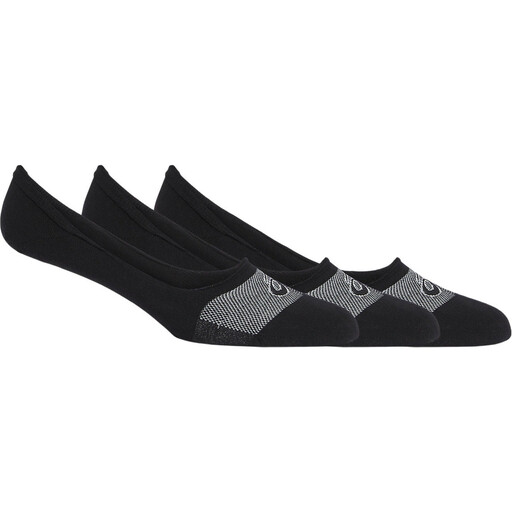
Why this product suits your needs: This 3-pack is ideal for training, leisure and regular rotation in your everyday wardrobe. Its low-profile cut works with a wide range of low-cut shoes.
The product details specify the fabric composition, sizes from EU 35 to 53 and a low-seam toe cap. This makes it easier to match the socks to your shoe size and intended use.
75 % cotton, 22 % polyamide and 3 % elastane; 3-pack; low-profile, discreet cut.
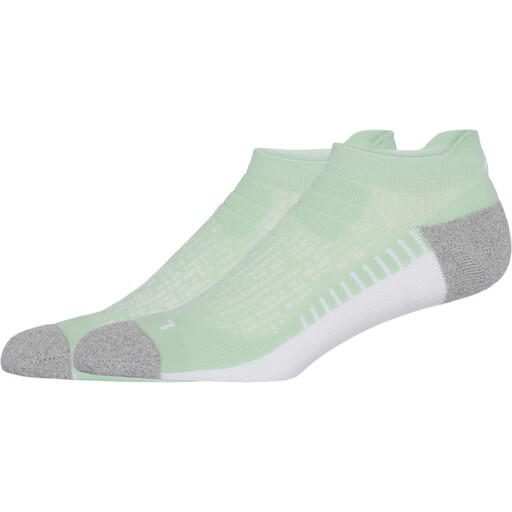
Why this product suits your needs: With their ankle-high cut and lightweight fabric, these socks are designed for runners and fitness enthusiasts taking on active workouts.
The product details specify a low-seam construction, moisture management, ventilation and light cushioning. That makes it easy to check the features that matter before you buy.
Sizes from EU 35 to 48; lightweight ankle cut; described as featuring ventilation, moisture management and targeted light cushioning.

Why this product suits your needs: This 6-pack is for anyone who regularly wants to rotate sports socks for running, hiking, training, work and everyday wear.
The description gives specific construction details rather than relying on vague performance claims: mesh fabric, reinforced heels and toes, and a cushioned sole.
6-pack in size L; crew cut; mesh and moisture-wicking fabric; reinforced heels and toes.
We’ve put together a complete, regularly updated list of products that meet these strict selection criteria and fully comply with the safety regulations in force in the EU.
For running, lightweight, well-fitting running socks with moisture management and as few friction points as possible are a practical choice. Depending on your shoes, ankle socks or slightly higher crew socks may work well. Your socks shouldn’t slip inside your shoes or bunch up.
How long they last depends on the material, how you wash them, how often you train and how well your shoes fit. If you wear them regularly, look out for thinning at the heel and toes, stretched cuffs and persistent changes in shape. A 3-pack or 6-pack makes it easier to rotate pairs and avoid overusing any one pair.
No. Padded sports socks can feel comfortable during longer sessions and on harder surfaces, but you’ll need enough room in your shoes. A thinner style may be a better fit for snug running shoes or very warm training conditions. The key factors are shoe volume, sport and personal fit.