
Lieferung heute & morgen

Qualitätsgarantie

Willkommens-Angebote freischalten: KOSTENLOSE Lieferung | Bis zu 80 % RABATT | Kostenlose 30-Tage-JoyPlus-Testphase
App herunterladen
Sports socks for women and men differ in more than just colour and size. The material, cuff height, cushioning and fit all affect how comfortably socks sit during basketball, at the gym, on the ski slopes or in everyday life. At the same time, terms such as “breathable”, “antibacterial” and “compression” do not automatically mean that a product is suitable.
This buying guide explains which details really matter and which common purchasing mistakes you can avoid.
“Breathable socks” may be made from cotton, polyester, polyamide, merino wool or blended fabrics. The term alone reveals little about the actual construction. What matters is a clearly stated material composition, the knit structure and the care instructions.
Cotton socks often feel soft and are suitable for everyday wear, work and light activity. However, when you sweat heavily, they may dry more slowly than synthetic blends, depending on the weave. For intensive exercise, you should therefore also look for moisture management and ventilation zones.
No-show socks and trainer socks are largely hidden inside the shoe and work well with casual footwear. For basketball or activities requiring greater ankle coverage, mid-length sports socks may offer more practical coverage. Ski socks usually extend over the calf and need to be compatible with ski boots.
A sock that is too short can slip inside the shoe. On the other hand, a cuff that is too high or too thick can cause pressure points if the shoe already fits tightly.
An antibacterial finish relates to the treatment or material of the sock. It does not replace foot hygiene and is not a medical claim. For example, Li-Ning models are described as having a silver-ion finish. Buyers should check the specific product details, washing temperature and any limitations rather than relying on the buzzword alone.
For choosing sports socks for women and men, the material blend is a key factor:
“Antibacterial socks” may have a special finish. For an objective assessment, it is important to check the manufacturer’s information about the tested property, durability after washing and care requirements. Such a finish does not mean that the socks will remain odour-free permanently.
Sock size should be based on your EU shoe size or the stated foot length. International size charts require a direct comparison. For example, Li-Ning states foot lengths from 220 to 310 millimetres across several size ranges for its basketball socks. If you are between sizes, a slightly larger model may offer greater freedom of movement, while a smaller model may provide a closer fit.
You should also check:
Basketball socks are usually mid-length and worn with sports shoes. Depending on the model, tennis socks may be low-cut, mid-length or higher. Compression socks have defined elastic sections; they should not be chosen based on appearance alone, but according to their fit and intended use. If you have any health concerns, seeking medical advice is sensible.
For winter sports, ski socks with thermal insulation, cushioned zones and a cuff reaching just below the knee are more suitable than thin trainer socks. Merino wool socks can be an alternative to purely synthetic versions, provided the material thickness is suitable for the shoe.
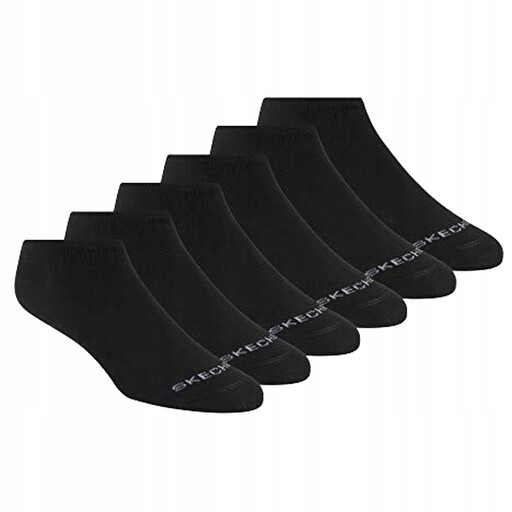
Why this product suits the profile: The six-pack made from 100% cotton is ideal for shoppers looking for several everyday trainer socks for leisure, work and light activity.
The material is clearly stated. This makes it easier to assess the “cotton” property than with an unspecified blended fibre.
Six pairs; 100% cotton; black design; size 35–39.5 according to the product name.
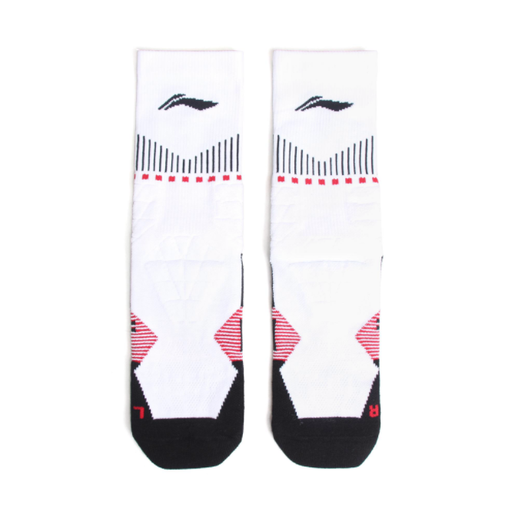
Why this product suits the profile: The mid-length construction, elastic cuff and stretchy blended fabric are well suited to basketball training and sporty everyday clothing.
The product description specifies the material base, cuff height and size ranges. The antibacterial finish should nevertheless be cared for according to the instructions and not considered a medical property.
Elastane and polyester content; jacquard pattern; mid-length cuff; size XL for 24–28 cm according to the product page.
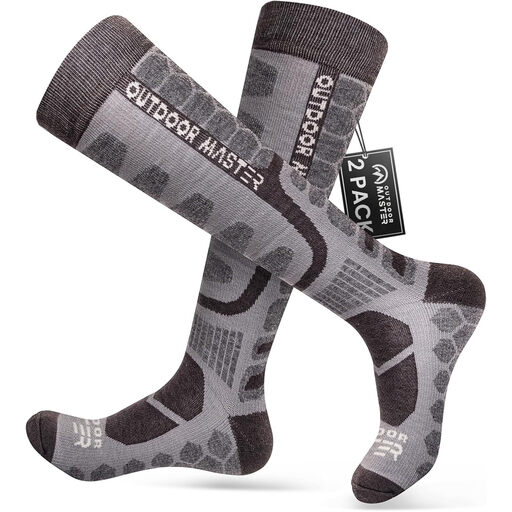
Why this product suits the profile: For winter sports enthusiasts and frequent wearers, the two-pack offers an extra-long design with a 30% merino wool blend and specified compression zones.
The warmth, cuff height and material content are clearly stated. Before buying, the size should be checked against the ski boot to ensure that the additional thickness does not cause pressure.
Two pairs; 30% merino wool blend; reinforced cushioned zones; size L for EU 39–42 according to the product information.
We have put together a complete, regularly updated list of products that fully meet these strict selection criteria and the safety regulations applicable in the EU.
The lifespan of sports socks depends on how they are used, washing temperature, drying and the fit of the shoes. High temperatures, fabric softener and aggressive drying can affect elastane, shape and special finishes. Therefore:
For everyday wear and work, cotton socks, trainer socks or low-cut models are a practical choice. If your feet tend to feel warm or you are active for longer periods, you should also consider the material blend and moisture management.
Basketball socks should hold the foot securely without digging into the cuff. A mid-length cuff, elastic fibres and the right shoe size help reduce slipping and creasing. Socks that are too thick can alter the fit of a basketball shoe.
No. Compression socks vary in strength, construction and purpose. If you have health concerns or circulation problems, seek medical advice before using them. For sports use, the manufacturer’s information and a smooth, crease-free fit are the key considerations.