
Lieferung heute & morgen

Qualitätsgarantie

Willkommens-Angebote freischalten: KOSTENLOSE Lieferung | Bis zu 80 % RABATT | Kostenlose 30-Tage-JoyPlus-Testphase
App herunterladen
Sports socks need to do more than ordinary everyday socks. When running, working out at the gym, playing basketball or skiing, friction, sweat and movement put constant strain on the material. If you focus only on colour or a low price per pack, you can quickly end up with a model that slips, creases or loses its shape after a short time.
The term breathable socks does not automatically describe a specific fibre combination or measurable performance. What matters is whether the manufacturer states the material composition. Cotton can feel pleasant, but it absorbs moisture and may dry more slowly depending on the fabric density. Synthetic fibres such as polyester or polyamide are often used when moisture management and shape retention are important.
Socks that are too large crease inside your shoes. Models that are too small can feel uncomfortably tight around the cuff or toes. The sizing information is particularly important for running socks, as the fit directly affects how securely they sit in your shoes. A European shoe size or a clear, easy-to-understand size chart should be available before you buy.
Terms such as non-slip socks, antibacterial socks or compression socks may refer to specific constructions, but they do not replace a detailed product description. For specialist features, check whether the material, length, care instructions and intended use are stated. Antibacterial treatment is also no substitute for regular washing and dry shoes.
For everyday wear, light training and frequent changes, cotton socks or blended fabrics can be a sensible choice. According to the product details, the ASICS 3-pack consists of 69% cotton, 24% polyester, 5% polyamide and 2% elastane. This combination pairs a high cotton content with synthetic fibres and a little elastane for a secure fit.
For intensive running training, constructions featuring polyamide, ventilation zones or an ergonomic left-right fit are worth considering. According to the product description, the ASICS ICON RUN QUARTER SOCK is made from 97% polyamide and 3% elastane and features padded sole areas and ventilation zones.
Merino wool is particularly relevant for outdoor activities. When choosing Merino ski socks, check the wool content carefully: according to the product details, the OutdoorMaster model contains 30% merino wool blend and is designed as a knee-high compression sock.
Length should not be chosen for appearance alone. A higher shaft can help protect against friction from the shoe, while short sports socks leave less material around the leg in warm conditions.
An elastic cuff should stay securely in place without visibly digging into your skin. Flat toe seams reduce potential pressure points. Targeted padding at the sole or heel can improve comfort inside the shoe, but it also changes the amount of shoe space required.
Care instructions provide a practical indication of how suitable a product is for everyday use. For example, the ASICS 3-pack is machine washable at 40°C and should not be tumble dried. For wool and performance models, low temperatures and air drying are often advisable to help the elastane and shape last longer.
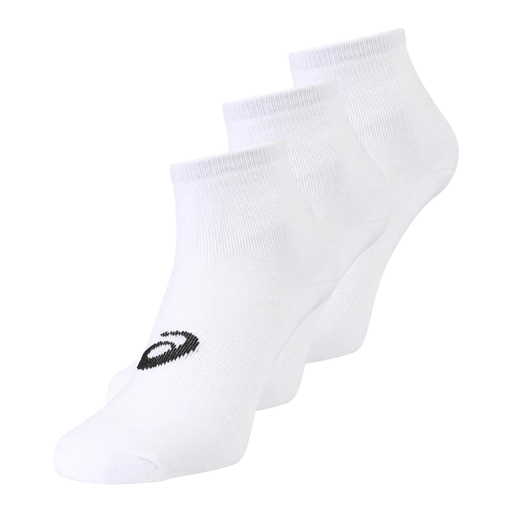
Why this product suits this profile: The 3-pack is designed for training, fitness, running and everyday changes. It is available in EU sizes 35–38, 39–42, 43–46 and 47–49.
The stated material blend and size chart help ensure you do not choose based solely on the pack price or appearance.
3-pack, quarter length, unisex design and a cotton content of 69%.
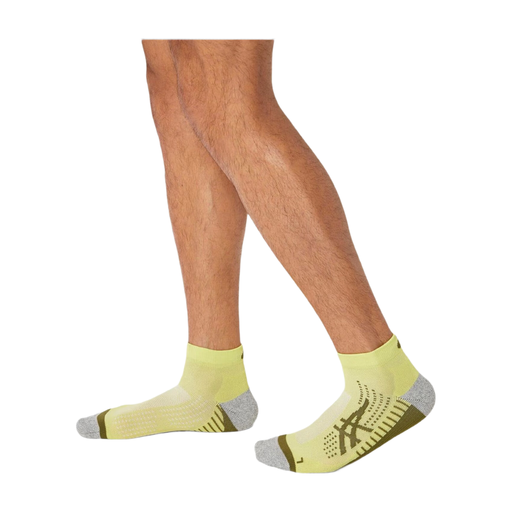
Why this product suits this profile: This model is aimed at runners looking for an anatomical fit, ventilation zones and a padded sole for their training sessions.
The left-right construction, arch support and the Nanoglide technology described are more specific than a general promise of comfort.
97% polyamide, ventilation zones, padded sole and quarter length according to the product description.
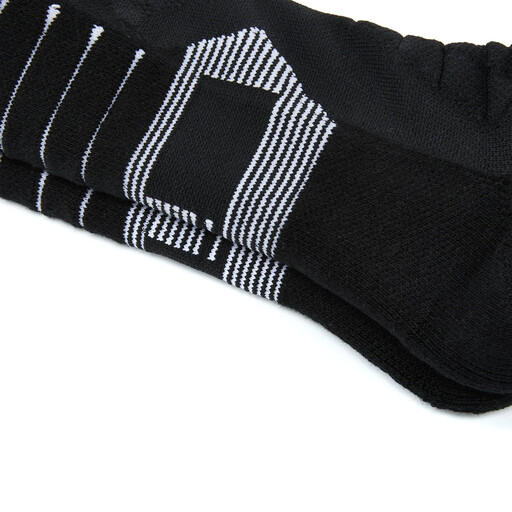
Why this product suits this profile: The mid-length basketball socks are designed for indoor sports, active leisure and frequent wear. According to the product description, the elastic cuff is designed to stay securely in place.
The product details state the shaft length, size chart, material blend and care instructions. The antibacterial treatment should be understood as a manufacturer’s claim.
According to Li-Ning’s product details, reduction rates for certain microorganisms were stated in the test context; this does not constitute a general medical claim.
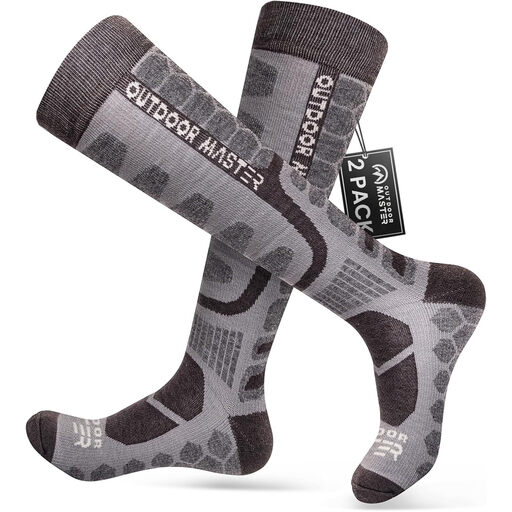
Why this product suits this profile: The knee-high design is intended for ski boots and cold conditions. The pack contains two pairs in size L for EU 39–42.
The material content, length, size range and compression zones are clearly stated. This makes it easier to distinguish the model from thin everyday socks.
30% merino wool blend, reinforced padded areas, compression zones and a non-slip cuff according to the product details.
We have put together a complete, regularly updated list of products that fully meet these strict selection criteria and the safety regulations applicable in the EU.
Sports socks should be changed after every intensive training session and washed according to the care instructions. If you wear them every day, it is advisable to keep a sufficient supply, such as a 3-pack or 6-pack of socks, so the textiles can dry completely. Worn cuffs, thinning areas and persistent creases are all reasons to replace them.
Cotton socks can be suitable for short, gentle sessions or everyday wear. For long runs or heavy sweating, models with a higher polyamide or polyester content may be more practical, as these materials often dry more quickly. Fit, the climate inside your shoes and your personal comfort should remain the deciding factors.
Compression socks feature zones with varying levels of tightness and often reach up to the calf or knee. They should be selected particularly carefully with regard to size and intended use. Regular running socks, quarter socks or basketball socks, on the other hand, generally focus on fit, material, ventilation and padding, without requiring a graduated compression construction.