
Lieferung heute & morgen

Qualitätsgarantie

Willkommens-Angebote freischalten: KOSTENLOSE Lieferung | Bis zu 80 % RABATT | Kostenlose 30-Tage-JoyPlus-Testphase
App herunterladen
Sports socks need to meet different requirements depending on how you plan to use them. A flat, lightweight style is often enough for short trips in trainers. For running, the gym or longer training sessions, however, fit, moisture management and the finish around the toes and sole matter more. If you focus only on colour, brand name or a low price per pack, it’s easy to overlook details that make a real difference.
Low-cut socks and trainer socks sit very low on the foot. They’re handy when you want your socks to stay hidden inside your shoes. However, with shoes that have a higher collar, a sock that sits too low can rub or slip down. Quarter socks reach the ankle, giving you more coverage in running shoes and trainers.
The name alone doesn’t always tell you exactly how high a sock will sit. Check the product images and details about the sock height. For regular training, quarter socks are often more versatile than very short low-cut styles.
“Breathable” describes a product feature, but it isn’t a uniform, protected quality standard for sports socks. What matters is the actual material composition. Cotton can feel comfortable, but it absorbs moisture. Synthetic fibres such as polyester or polyamide are often used to make socks lightweight and help them keep their shape.
A high proportion of synthetic fibres doesn’t automatically guarantee a comfortable feel for your feet, either. Also check for ventilation zones, the knit structure and the care instructions. If you have sensitive skin, flat or bonded toe seams may be worth considering, as they create a less bulky finish.
Cushioned socks can add comfort around the sole. However, a thick terry sole can create pressure if your shoes already fit snugly. Thin sports socks often work better in close-fitting running shoes or trainers.
Also check that your shoe size and sock size are a good match. Socks that are too big can bunch up, while a pair that’s too small can pull tight across your toes and cuffs. Both can increase friction.
Use the EU size chart for the specific brand rather than relying on S, M, L or XL alone. For example, the models featured here cover several size ranges, including EU 35–38, 39–42, 43–46 and larger shoe sizes. Sizing can vary between brands.
Key features to look for include:
Material details matter particularly when buying sports socks in a 3-pack, as you’ll be wearing several pairs in rotation over time. One example is the ASICS Quarter 3 Pack, made from 69 % cotton, 24 % polyester, 5 % polyamide and 2 % elastane. According to the product details, adidas Low Cut 3P Socks are made from 49 % polyester, 48 % cotton and 3 % elastane.
For running socks designed to be lightweight and dry quickly, a high polyamide content may be worth considering. According to the product details, the ASICS ICON RUN QUARTER SOCKS are made from 97 % polyamide and 3 % elastane and feature ventilation zones. This won’t tell you how suitable they’ll be for you personally, but it does make it easier to compare materials.
How long your socks last depends on how often you wear them, how well your shoes fit, the washing temperature and how you dry them. It wouldn’t be reliable to give a general lifespan in months or years. Follow the manufacturer’s care instructions:
The models below differ mainly in length, material, cushioning and pack size. This makes it easier to choose a pair to suit your shoes, training and everyday routine.
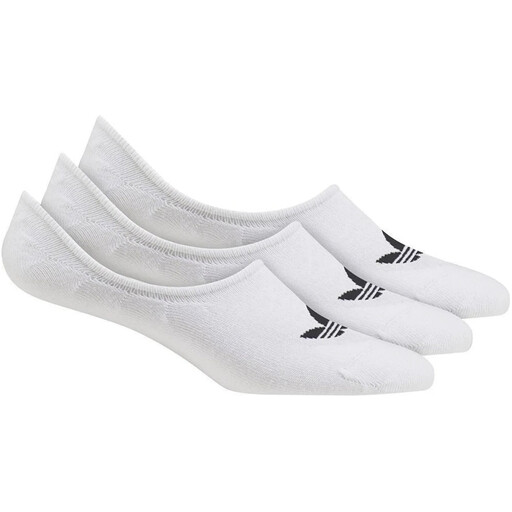
Why this product suits this profile: This 3-pack is ideal for everyday wear, trainers and light workouts. The extra-short design stays discreet inside your shoes.
The material details list specific proportions instead of relying on a vague “breathable” claim. Bonded toe seams can provide a less bulky finish.
Three pairs, a lightweight design, sizes from EU 35–38 to 47–48, and a low-cut profile.
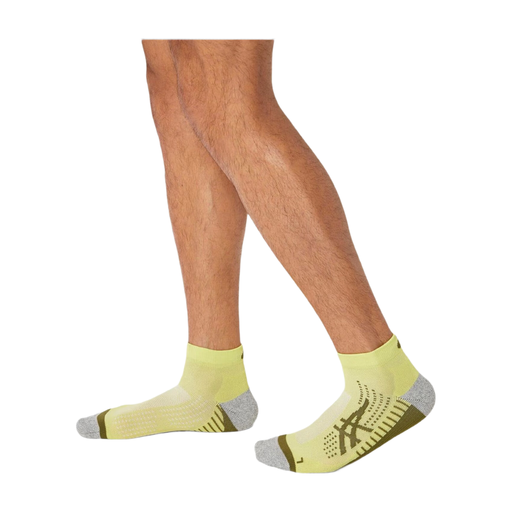
Why this product suits this profile: Designed for running and longer sessions, this style combines a quarter length with an anatomical left and right fit.
The product description specifies ventilation zones, arch support and a cushioned sole. You can assess the fit by checking several specific features.
97 % polyamide, 3 % elastane, an anatomical design and EU sizes from 35–38 to 47–48.
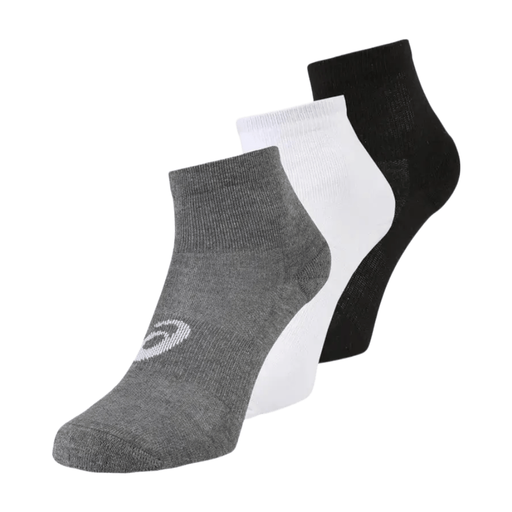
Why this product suits this profile: This three-pair pack has an ankle-height cut, making it a good choice for alternating training days, gym sessions and everyday wear.
The quarter length reduces the chance of the sock sitting too low inside your shoe. The materials, washing temperature and size ranges are clearly listed.
69 % cotton, 24 % polyester, 5 % polyamide, 2 % elastane, and sizes from EU 35–38 to 47–49.
We’ve put together a complete, regularly updated list of products that meet these strict selection criteria and fully comply with the safety regulations in force in the EU.
Sports socks should fit snugly around your foot without squeezing your toes or digging into your ankle. Folds around the forefoot or heel can indicate that the size is wrong or the cut is too loose. Try the socks on with your sports shoes, as the cushioning needs to work with the space inside your shoes.
It depends on how often you wear them, your washing routine and the condition of the material. Change your sports socks after heavy sweating and let them dry completely. Thin patches, stretched cuffs, holes or a fit that keeps slipping out of place are practical signs that it’s time for a new pair.
Cotton blends can work well for light activities and everyday wear. For longer runs, also consider moisture management, a smooth fit and how the socks feel inside your running shoes. Specialist running socks with a high proportion of polyamide or polyester may also be suitable. The right choice will depend on your shoes, how long you’ll be active and what feels comfortable for you.