
Lieferung heute & morgen

Qualitätsgarantie

Willkommens-Angebote freischalten: KOSTENLOSE Lieferung | Bis zu 80 % RABATT | Kostenlose 30-Tage-JoyPlus-Testphase
App herunterladen
Choosing the right sports socks often seems like an afterthought, but it's crucial for comfort and performance. The wrong material or a poor fit can not only hinder your workout but also lead to blisters and pressure points. Many buyers focus on well-known brand names or superficial features, overlooking critical functional details. This guide will help you navigate the typical pitfalls and find socks that truly meet your needs.
The three most common mistakes when buying socks are:
To avoid a bad purchase, you should focus on objective criteria rather than being swayed by marketing promises. The following three parameters are decisive for selecting functional sports socks for men and women.
The material determines how a sock manages moisture, temperature, and odour. Pay close attention to the exact composition on the label.
The construction of a sock is just as important as its material. Functional details make all the difference in comfort.
Different sports place different demands on the feet.
Based on these objective criteria, we have selected a few products for different user profiles.

Why it's a good fit: Ideal for those looking for a reliable all-rounder for daily use in sneakers and for light athletic activities. The practical sock multi-pack offers great value from an established sports brand.
This model avoids the "cotton trap" by using a blended fabric with polyester, which wicks moisture better than pure cotton and thus ensures a more comfortable foot climate.
The breathable knit and ankle-high (quarter) fit provide a good balance of comfort and functionality for everyday wear and general fitness training.
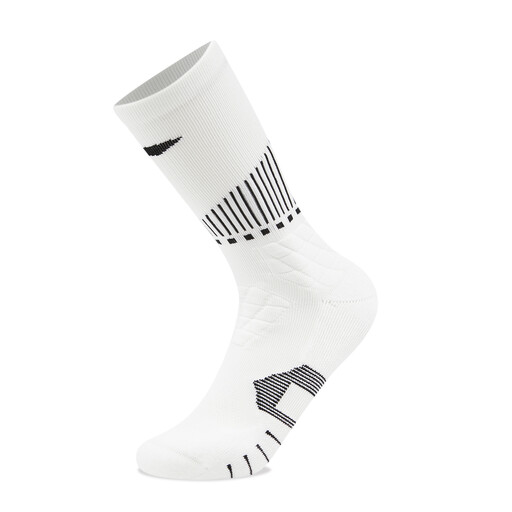
Why it's a good fit: Designed for the high demands of sports like basketball. The mid-high cut, elastic cuff, and durable material provide the necessary support and comfort during quick stops and jumps.
This sock solves the "one-sock-fits-all" problem. It is specifically designed as a basketball sock, and its cut and elastic cuff ensure a secure fit that prevents slipping.
According to the manufacturer, the material offers high antibacterial properties (e.g., ≥99.4% against Staphylococcus aureus), which is beneficial during intense sweating. The jacquard pattern provides additional structure.
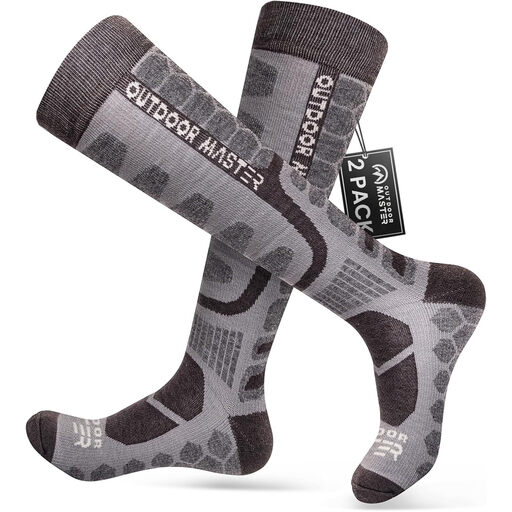
Why it's a good fit: For skiers and snowboarders who need warmth, moisture management, and muscle support. The knee-high fit is ideal for ski and snowboard boots.
These ski socks consistently avoid the "cotton trap" by using a 30% merino wool blend. This provides thermal insulation and odour resistance without retaining moisture.
The targeted compression design supports blood circulation and can reduce calf muscle fatigue on long days on the slopes. Reinforced cushioning zones protect against pressure points from hard boots.
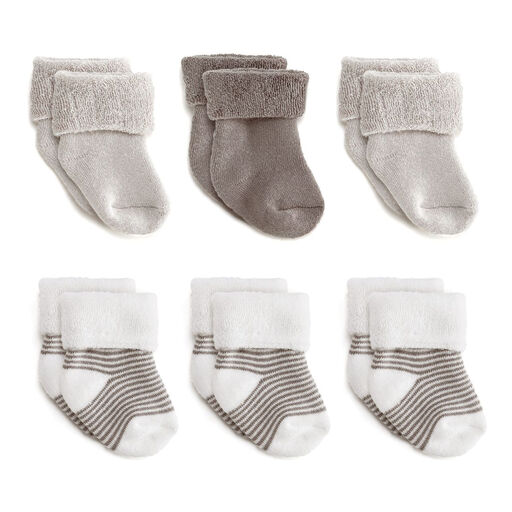
Why it's a good fit: Specifically for the sensitive feet of newborns. The focus is on soft materials, a secure fit without constricting, and certified skin-friendliness.
These baby socks address the main problem with socks for little ones: slipping down or being too tight. The elastic cuff ensures a secure hold without constricting sensitive skin.
The high cotton content (83%) ensures a soft feel. Crucially, the certification according to Oeko-Tex Standard 100 confirms that the product has been tested for harmful substances.
We've compiled a complete, up-to-date list of products that meet these strict selection criteria and applicable regulations.
There is no single "best" material; the choice depends on the activity. For sweat-inducing sports like running or fitness, synthetic fibres (polyester, polyamide) are ideal because they wick away moisture. For outdoor activities in the cold, such as skiing or hiking, merino wool is an excellent choice due to its thermo-regulating and anti-odour properties. Cotton is primarily suitable for relaxed, everyday wear.
Compression in socks means that the fabric applies targeted, gradual pressure to the foot and leg. This pressure is strongest at the ankle and decreases upwards. This can promote blood circulation, support venous return, and reduce muscle vibrations. Compression is useful for long-distance running, cycling, skiing, or for faster recovery after sports.
Sock size is generally based on your shoe size. Most manufacturers provide size ranges (e.g., 39–42). A well-fitting sock should be snug without constricting and should not bunch up at the heel or toes. If you are between two sizes, it is often advisable to choose the smaller size for sports socks to prevent them from slipping in the shoe. Always refer to the specific manufacturer's size chart.