
Lieferung heute & morgen

Qualitätsgarantie

Willkommens-Angebote freischalten: KOSTENLOSE Lieferung | Bis zu 80 % RABATT | Kostenlose 30-Tage-JoyPlus-Testphase
App herunterladen
Sports socks need to do more than ordinary everyday socks: they should stay securely in place inside your shoe, wick away moisture and provide different levels of cushioning or warmth depending on the sport. However, prominent brand names and terms such as “antibacterial” do not automatically lead to the right buying decision. What matters is clear, verifiable information about the material, size, cut and care instructions.
“Breathable”, “non-slip” and “compression” are only useful when it is clear how the sock is constructed. A running sock with ventilation zones can be a sensible choice for longer runs, while a thin trainer sock may not provide enough cushioning for intensive indoor sports. So check whether the manufacturer provides specific information about the knit structure, cuffs, cushioning and intended use.
No-show socks sit mostly inside the shoe and are suitable for low-cut trainers. For basketball or winter sports, however, the shorter cut may provide insufficient protection and comfort around the ankle or calf. Quarter socks reach approximately to the ankle and are versatile enough for training, fitness and running. For ski socks, an over-the-calf length is practical, ensuring that no skin is exposed between the sock and ski boot.
Socks that are too small can crease, feel tight around the toes or stretch the cuff uncomfortably. Oversized models can slip around inside the shoe. EU sizes are not identical to international sizing across all brands. Compare the specific size chart with your shoe size and, for compression socks, also bear in mind that the fit may be tighter.
For training and running, breathable socks with a balanced proportion of synthetic fibres are often practical. Polyester and polyamide can transport moisture away from the foot and dry relatively quickly. Cotton feels soft, but absorbs moisture and dries more slowly. A cotton blend may be sufficient for everyday wear and moderate training; for long or sweat-heavy sessions, pay attention to the textile construction and stated ventilation zones.
Merino wool socks are often chosen for cold conditions. According to the product information, the material blend of the OutdoorMaster ski socks contains 30 % merino wool. The model is described as featuring a warming construction, reinforced cushioned areas and compression zones. Merino wool can feel comfortable and is used for its natural odour resistance. However, the actual warmth also depends on your footwear, activity level and fit.
A cushioned sole can provide additional comfort during the impact of running and jumping. Check whether the reinforcement is limited to the sole or also covers the heel and toes. For running socks, flat seams, an anatomical left-right construction and a stable arch-support zone are also important details.
According to the product description, the ASICS ICON RUN QUARTER SOCK is offered with Nanoglide technology, ventilated areas, a cushioned sole and integrated arch support. These details describe the construction; they do not guarantee that every wearer will be free from blisters or pressure points.
An elastic cuff should fit securely without cutting into the skin. Non-slip socks may feature a reinforced cuff or additional grip areas, depending on the model. Check the product description, as “non-slip” is not a uniformly defined performance level.
Compression socks apply targeted pressure and should be selected particularly carefully according to size. The OutdoorMaster model specifies compression zones and an over-the-calf design. If you have existing health concerns or are unsure about compression, seeking medical advice is sensible. The products mentioned here are not medical devices unless this is expressly stated in the product information.
Care also affects shape retention. Some models can be machine-washed at 40 °C, while air drying is recommended. Avoid high temperatures unless approved by the manufacturer, as they can cause elastane and wool fibres to lose their shape or elasticity.
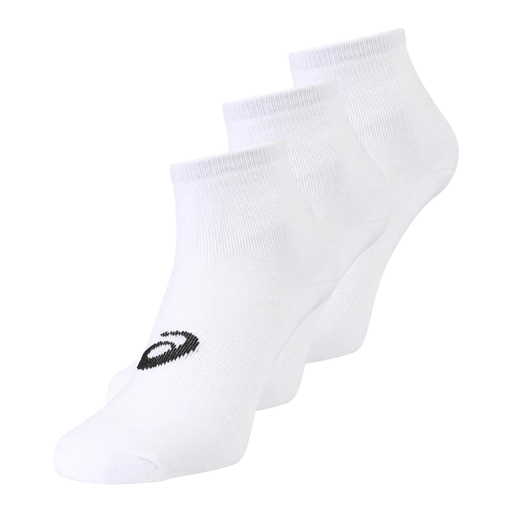
Why this product suits this profile: The 3-pack contains three quarter socks for training, fitness, running and everyday wear. Sizes from EU 35–38 to EU 47–49 make it easier to find the right fit.
The specific pack quantity and size chart make the purchase easier to assess than choosing based solely on marketing terms.
69 % cotton, 24 % polyester, 5 % polyamide, 2 % elastane; machine washable at 40 °C.
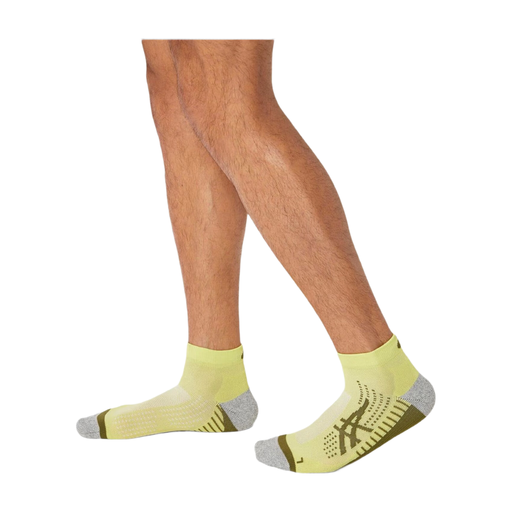
Why this product suits this profile: For runners, an anatomical fit, cushioned sole, ventilation zones and arch support are important construction features.
The product information specifies particular technologies and material details rather than referring only to “performance” in general terms.
97 % polyamide and 3 % elastane; left-right construction, Nanoglide technology and ventilation zones according to the product description.
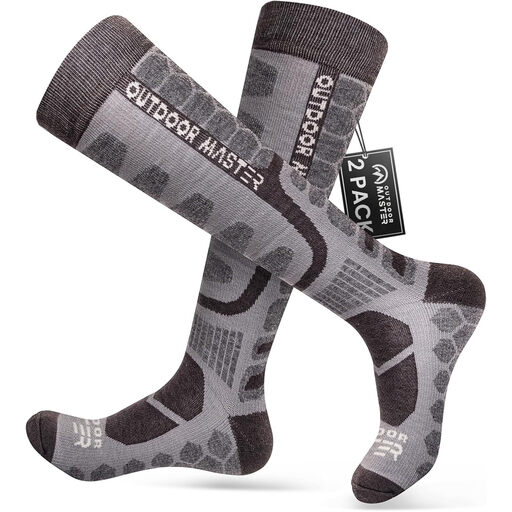
Why this product suits this profile: This model is aimed at winter sports enthusiasts looking for a calf-length sock with merino wool, cushioned zones and a compression construction.
The over-the-calf length reduces the risk of an unprotected gap inside the ski boot; according to the product information, size L corresponds to EU 39–42.
30 % merino wool blend, reinforced areas, compression zones and 2 pairs per pack according to the product data.
We have put together a complete, regularly updated list of products that fully meet these strict selection criteria and the safety regulations applicable in the EU.
Their lifespan depends on how often you train, the washing temperature, friction inside the shoe and the material. Thin running socks may show wear on the heel and toes more quickly with regular use than models with reinforced zones. Replace your sports socks when holes, permanently stretched cuffs or significant thinning appear.
Cotton socks may be sufficient for short, low-intensity sessions or everyday wear. However, they dry more slowly when you sweat heavily. For longer runs, fabric blends containing polyester or polyamide and specified ventilation areas are usually more practical.
Quarter socks reach up to the ankle and provide more coverage, as well as a visible cuff for a secure fit. No-show socks sit lower and are usually barely visible in trainers. Your choice should be based on the height of your shoes, protection against friction and the level of coverage you prefer.