
Lieferung heute & morgen

Qualitätsgarantie

Willkommens-Angebote freischalten: KOSTENLOSE Lieferung | Bis zu 80 % RABATT | Kostenlose 30-Tage-JoyPlus-Testphase
App herunterladen
Sports socks need to meet several requirements when you’re running, working out or going about your day: they should fit well, manage moisture effectively and work with the shoes you wear. At the same time, product descriptions such as ‘performance’, ‘breathable’ or ‘extra comfortable’ don’t always tell you whether a pair is right for you.
When buying sports socks for men or women, it’s worth focusing on the material, fit, construction and care instructions. The following points can help you avoid a disappointing purchase and choose a pair that suits the way you’ll use them.
Quarter socks reach roughly to the ankle and work well with many running shoes, trainers and training shoes. Low-cut socks sit lower and are less visible inside your shoes. But a shorter fit isn’t automatically right for every activity.
What matters is whether the cuff stays in place without digging in, and whether the sock slips down inside your shoe. A poor fit can cause the sock to crease and rub, particularly on longer runs.
Cotton often feels soft and works well for everyday wear, work and moderate exercise. However, when you sweat heavily, it generally dries more slowly than performance synthetic fibres. For intense workouts, blends containing polyamide, polyester and elastane can be more practical.
That doesn’t mean cotton socks are unsuitable across the board. Choose according to whether you’ll wear them for jogging, fitness classes, short workouts or mostly day to day.
A 3-pack of socks can make laundry planning easier and reduce the cost per pair. Before buying, though, check the size range, fabric composition, colour options and care instructions. If the pack includes different colours, bear in mind that not every pair will look the same.
The fabric composition is a useful indicator when choosing breathable socks. Polyamide and polyester are widely used because they’re lightweight and can draw moisture away from your feet. Elastane adds stretch and can help the socks fit more closely.
Cotton socks feel soft and are suitable for everyday wear and less sweat-inducing activities. A fabric blend can offer a good balance. However, always check claims about breathability against the specific material details.
Sports socks shouldn’t feel loose inside your shoes or create pressure points. Check the EU size range and compare it with your shoe size. Some styles also list UK or US sizes.
If you run, socks with arch support may be worth considering. This construction can help keep the sock in place, but it’s no substitute for finding shoes that fit you properly. Ergonomic left- and right-foot designs are shaped for each foot, unlike fully symmetrical socks.
A cushioned sole can affect how comfortable a sock feels inside your shoe. It shouldn’t be so thick that your shoe feels tight, though. Also look for flat or discreet seams around the toes.
Care instructions can affect how long your socks last. Some training socks can be machine-washed at 40 °C, while others should be air-dried and kept out of the tumble dryer. Depending on the fabric, high temperatures, bleach and fabric softener can affect the socks’ stretch and structure.
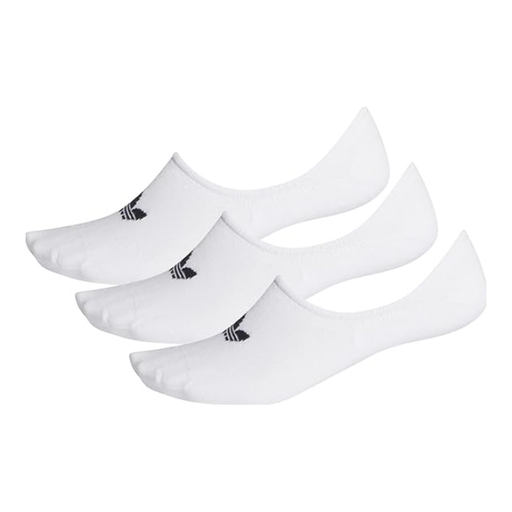
Why this product suits you: This 3-pack is a good choice if you’re looking for several pairs of low-cut socks for everyday wear, work and occasional workouts. The stated size covers EU sizes 39–42.
The product details specify 100% cotton and include clear washing instructions. This makes it easier to assess the fabric choice, rather than relying on vague performance claims.
Three pairs per pack, a low-cut design and clearly stated cotton content.
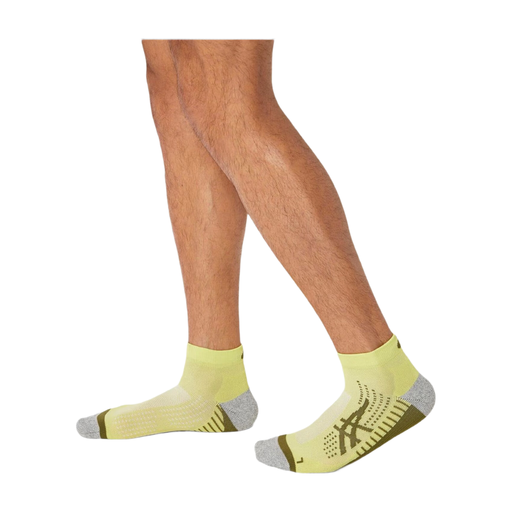
Why this product suits you: These quarter socks are designed for runners who prefer an anatomical left- and right-foot construction, ventilation zones and stated arch support.
The product description lists the material, fit, ventilation zones and care instructions separately. Nanoglide technology is described as a feature that reduces friction, rather than making a broad performance claim.
97% polyamide and 3% elastane, a cushioned sole, ventilation zones and sizes from EU 35–48.
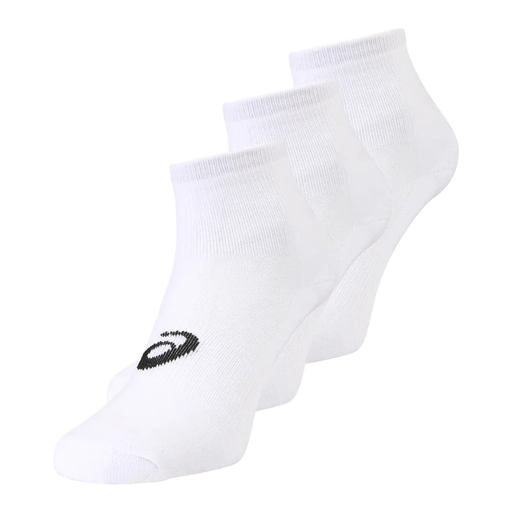
Why this product suits you: This unisex set is made for training, fitness, running and regular wear. Three pairs make it easier to have a fresh pair ready for each of several training days.
The fabric blend and washing temperature are clearly specified. This helps frequent wearers follow the manufacturer’s care instructions.
69% cotton, 24% polyester, 5% polyamide and 2% elastane; quarter length and EU sizes 35–49.
We’ve put together a complete, regularly updated list of products that meet these strict selection criteria and fully comply with the safety regulations in force in the EU.
When choosing socks for jogging, look for a secure fit, suitable cushioning and a fabric blend that manages moisture well. Quarter socks with ventilation zones and arch support may be a good option for longer runs. The right choice will also depend on your shoe width, sock size and personal comfort.
Their lifespan depends on how often you wear them, the washing temperature, how they’re dried and the material. Rotating between pairs reduces wear on any one pair. Replace socks when the stretch, cuffs or sole structure start to show signs of wear.
Cotton socks can work well for light to moderate exercise and everyday wear. If you sweat heavily, blends containing polyamide, polyester or elastane are often more practical, as they can dry faster depending on their construction. The specific fabric details matter more than the product name alone.