
Lieferung heute & morgen

Qualitätsgarantie

Willkommens-Angebote freischalten: KOSTENLOSE Lieferung | Bis zu 80 % RABATT | Kostenlose 30-Tage-JoyPlus-Testphase
App herunterladen
A new pair of sports sunglasses should protect your eyes and enhance your vision during activities. However, the market is flooded with models whose marketing promises often fall short in practice. Instead of boosting performance, they quickly become a disappointment. Many buyers make the same mistakes, investing in products that become unusable after a short time or are unsuitable for their intended purpose.
Before you make a decision, you should be aware of the most common pitfalls:
To make an informed decision, it's helpful to focus on core technical features rather than marketing slogans.
Protecting your eyes is the top priority. Reliable UV400 protection is the basic requirement. It filters harmful UVA and UVB rays up to a wavelength of 400 nanometres. But lens quality goes beyond that.
Lightweight sunglasses are essential for sports. The frame material plays a central role here.
Modern sunglasses offer more than just sun protection. Depending on your needs, specialised features can provide real added value.
Instead of making a general recommendation, we have identified models tailored to clearly defined user profiles and their specific requirements.
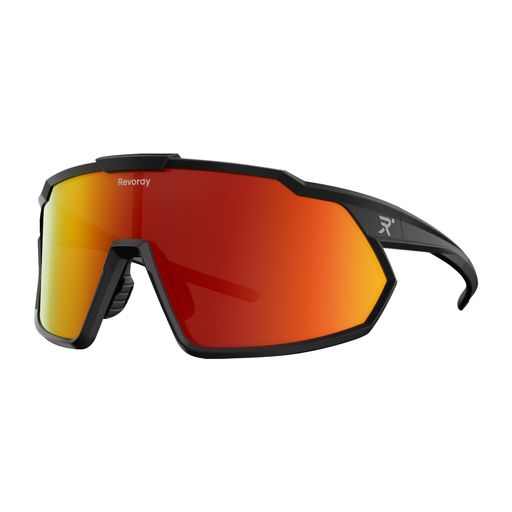
Why this model fits: These cycling glasses are specifically designed for the demands of cycling. The polarised lenses reduce glare from wet roads, while the lightweight TR90 frame and non-slip silicone pads ensure a secure and comfortable fit, even on long rides.
This model bypasses the unsuitable lens trap by using HD TAC polarised lenses specifically designed to reduce glare in traffic. The lightweight TR90 frame (approx. 33g) also prevents pressure points.
Certification according to the ANSI Z87.1 impact resistance standard provides an extra layer of safety. The lenses feature water- and oil-repellent coatings.
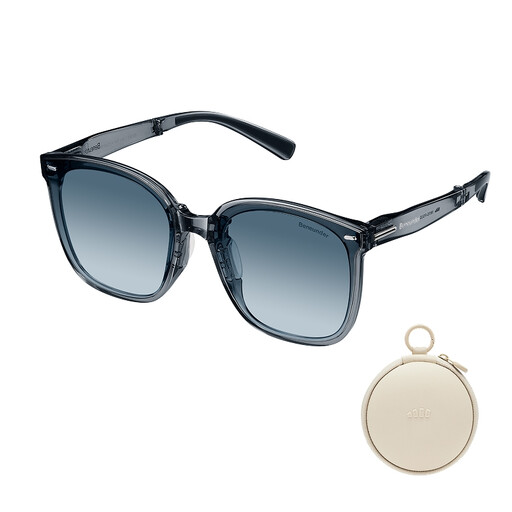
Why this model fits: As foldable sunglasses, they are ideal for travel, commuting, or daily use. They combine a fashionable oversized design with high functionality. The low weight and compact folded size make them extremely portable.
This model solves the problem of bulky glasses with a patented triple-fold design. Weighing just 26g and featuring a TR90 frame, it actively avoids the trap of an uncomfortable, heavy frame.
The glasses can be folded down to a thickness of just 35 mm. According to the manufacturer, the nylon lenses offer ≥99.9% UV protection and ≥99.6% glare reduction thanks to an OAR anti-reflective coating.
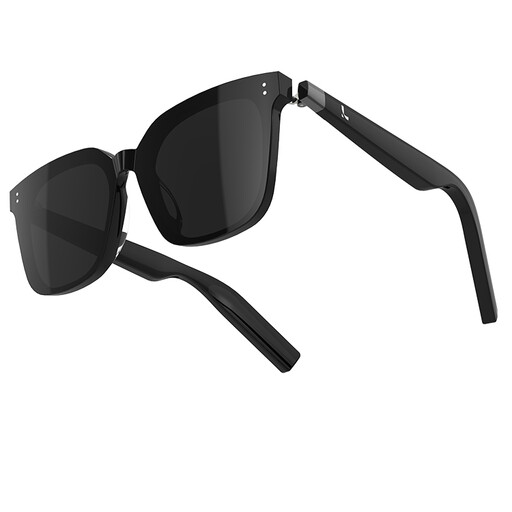
Why this model fits: As smart audio glasses, they seamlessly integrate technology into daily life. Ideal for commuters and professionals who want to make hands-free calls, listen to music, or use translation features without compromising their awareness of their surroundings.
This model avoids the trap of superfluous gimmicks by offering concrete, useful features like real-time translation for 128 languages and an AI-powered note-taking function for meetings. The open-ear audio system is a clear safety feature.
The integration of AI assistants (ChatGPT, Gemini, Claude) and the long battery life (up to 12 hours of use) set it apart from simple audio glasses. The modular design also allows for interchangeable frames.
We have compiled a full list of products that fully meet these strict selection criteria.
1. What does UV400 protection really mean for sports sunglasses? The term UV400 protection means that the lenses block UV rays with a wavelength of up to 400 nanometres. This includes both UVA and UVB rays, which can be harmful to the eyes. In the EU, this is standardised by the CE mark, which confirms compliance with basic safety requirements.
2. Are polarised sunglasses always the right choice for sports? Not necessarily. Polarised lenses are excellent for reducing glare from flat, reflective surfaces like water or wet roads. This is a major advantage for sports like cycling, fishing, or driving. However, they can interfere with the visibility of LCD screens (e.g., smartphones, bike computers, cockpit displays), as these screens also emit polarised light. For sports where reading such displays is important, a non-polarised but high-quality tinted lens may be the better choice.
3. How do I properly care for my cycling glasses to extend their lifespan? After use, clean the lenses with lukewarm water to remove sweat and dirt. Then, gently dry them with a soft microfibre cloth. Avoid using harsh cleaning agents or alcohol, as these can damage the lens coatings. When not in use, store the glasses in a hard case to protect them from scratches, pressure, and high temperatures.