
Lieferung heute & morgen

Qualitätsgarantie

Willkommens-Angebote freischalten: KOSTENLOSE Lieferung | Bis zu 80 % RABATT | Kostenlose 30-Tage-JoyPlus-Testphase
App herunterladen
A functional pair of sports sunglasses is more than just a fashion accessory; it's an essential piece of gear for clear vision and eye protection during athletic activities. However, the market is flooded with marketing promises and technical jargon that make choosing difficult. Many athletes invest in models that later prove to be impractical or inadequate. This guide will help you identify the crucial features and avoid common purchasing traps.
As your Joybuy Product Recommendation Officer, I have compiled the most important criteria that distinguish a good pair of sports sunglasses from an unsuitable one.
Before we dive into the technical details, let's look at the most widespread mistakes that lead to dissatisfaction:
To make an informed decision, focus on three core technical aspects. These determine the performance, comfort, and longevity of your glasses.
The choice of lenses largely depends on your primary sport and typical light conditions.
The frame material is crucial for comfort and durability. Modern sports sunglasses often use TR90. This is a thermoplastic polyamide that combines several advantages:
A pair of sports sunglasses must sit securely even during fast movements and vibrations. Look for the following features:
Based on the criteria above, we have identified a few models that are particularly well-suited for specific user profiles.
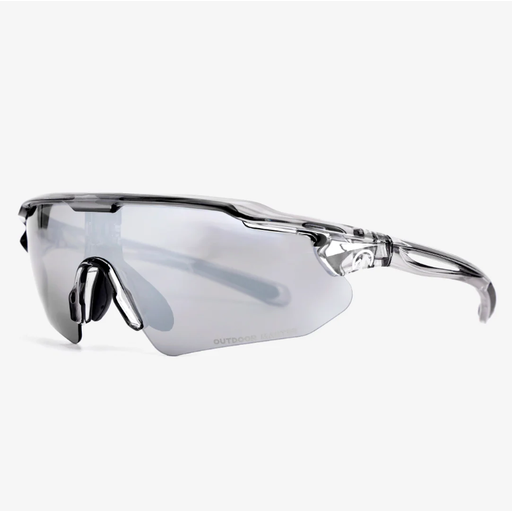
Why This Fits Their Persona: Ideal for cyclists who ride in changing light conditions. The combination of photochromic and polarized technology offers maximum flexibility on long tours that pass through forests and open terrain.
The lightweight TR90 frame (26-29g) and adjustable nose pads prevent slipping. The lenses offer full UV400 protection and are impact-resistant, avoiding the most common flaws of cheaper models.
Combines photochromic and polarized properties in one lens. Very lightweight with a wide peripheral field of view.
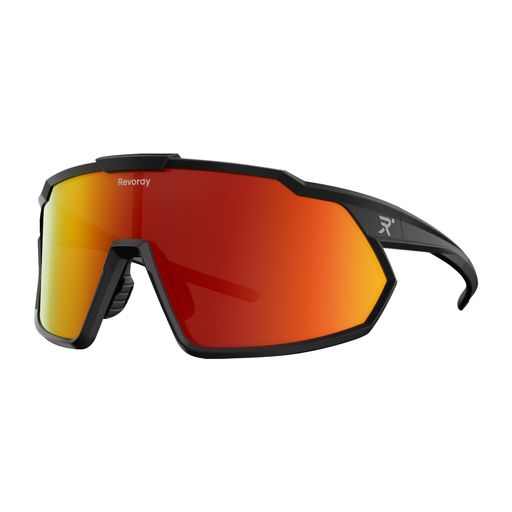
Why This Fits Their Persona: A solid choice for athletes who need reliable glasses for various activities like cycling, running, or water sports without spending a fortune. The polarized lenses are a clear plus in sunny weather.
This model features a lightweight TR90 frame (approx. 33g), 100% UV400 protection, and adjustable silicone nose pads. It is also tested for impact resistance according to ANSI Z87.1, which is not a given in this price range.
Effective glare reduction thanks to polarized TAC lenses. Water- and oil-repellent coating for easy cleaning.
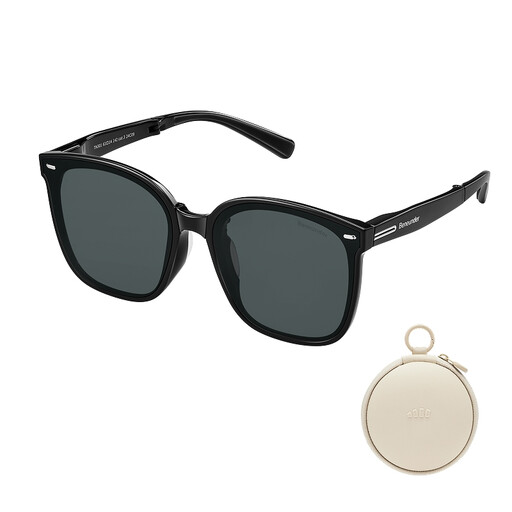
Why This Fits Their Persona: Perfect for people who are always on the go and need glasses that can be stored compactly. The patented folding design makes them extremely portable for travel, driving, or the daily commute.
Despite the folding mechanism, the frame is made of robust TR90. The lenses offer full UV400 protection and an anti-glare coating that, according to the manufacturer, reduces ≥99.6% of glare.
Extremely compact due to a triple-folding design (35mm thickness). Very lightweight at only 26g, yet still features a stylish oversized design.
We have compiled a complete, up-to-date list of products that fully meet these strict selection criteria and German safety regulations.
1. What is the difference between polarized and photochromic lenses? Polarized lenses have a fixed filter that neutralizes horizontal glare (e.g., from wet roads), thereby improving contrast. They are ideal for consistently bright conditions. Photochromic lenses dynamically adjust their tint to the UV light intensity—they get darker in the sun and lighter in low light. They are optimal for changing conditions.
2. How do I properly care for my sports sunglasses to extend their lifespan? Gently clean the lenses after use with lukewarm water or the included microfiber cloth. Avoid harsh cleaning agents like alcohol, as they can damage the lens coatings. Always store the glasses in their case when not in use to protect them from scratches, pressure, and high temperatures.
3. Can I wear sports sunglasses as regular sunglasses in everyday life? Yes, absolutely. Many modern sports sunglasses, especially models for men and women with a lightweightTR90 frame, combine functionality with an appealing design. Thanks to their high wearing comfort and reliable UV400 protection, they are excellently suited for daily use, driving, or on vacation.