
Lieferung heute & morgen

Qualitätsgarantie

Willkommens-Angebote freischalten: KOSTENLOSE Lieferung | Bis zu 80 % RABATT | Kostenlose 30-Tage-JoyPlus-Testphase
App herunterladen
Choosing a pair of sports sunglasses can be more complex than it first appears. Many models promise high functionality, but not all can withstand the rigours of daily use or intense athletic activities. Vague product descriptions and exaggerated marketing claims often lead to purchases that later prove unsuitable. This guide highlights the critical features that distinguish functional eyewear from inadequate options, helping you make an informed decision.
Before we dive into the technical details, it's helpful to identify three common problems that arise with low-quality sports sunglasses:
To avoid the problems mentioned above, you should focus your attention on three crucial areas: lens technology, frame material, and fit.
The quality of the lenses determines how well your eyes are protected and how clearly you perceive your surroundings.
The frame is the skeleton of the glasses and is largely responsible for their durability and wearing comfort.
A good fit is not just a matter of comfort, but also of safety.
Based on the criteria above, we have identified a few models that are well-suited for specific user groups.
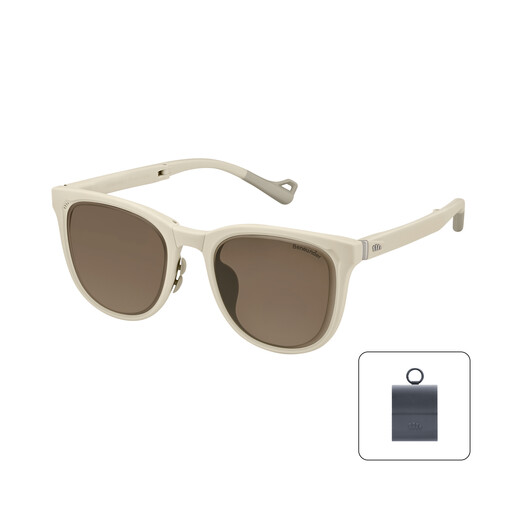
Why It's a Match: This model combines a classic design with high functionality. Its foldability makes it ideal for commuters and travellers looking for a stylish yet practical solution that can be stored compactly in any bag.
The frame, made of TR90 polymer, is flexible and resilient, counteracting the problem of rapid material wear. Adjustable temples and nose pads address the pitfall of an inadequate fit.
Compact folding design for high portability; UV400 protection and multi-layer, scratch-resistant lens coating.
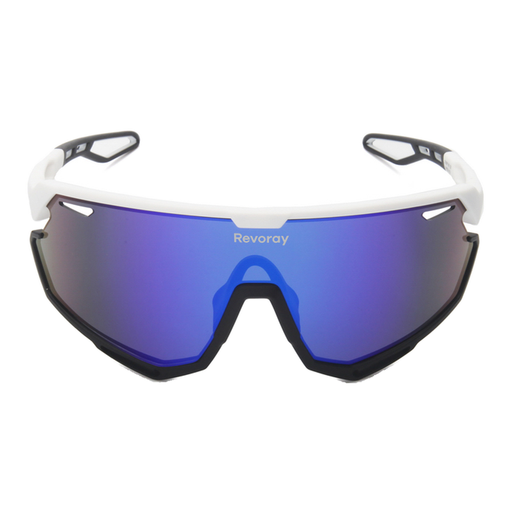
Why It's a Match: These cycling glasses are engineered for aerodynamics and stability at high speeds. The lightweight design and wide field of view are ideal for road cyclists and mountain bikers who prioritise performance.
The ergonomic design with non-slip rubber nose pads and temples solves the problem of poor grip during movement and sweating. The TR90 frame provides the necessary durability.
Aerodynamic design to reduce air resistance; impact-resistant PC lens with a wide field of view and UV400 protection.
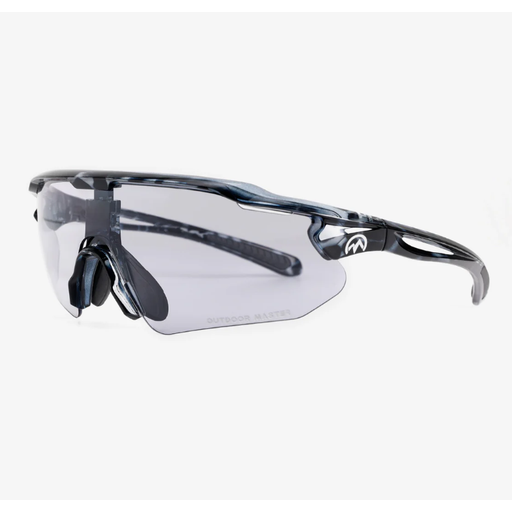
Why It's a Match: The combination of photochromic and polarised lenses makes these glasses extremely adaptable. They are suitable for hiking, running, or driving, where light conditions change frequently.
This model addresses the pitfall of inadequate protection by combining UV400 protection, polarisation, and photochromism. This ensures optimal vision and safety under a wide variety of conditions.
Automatic tint adjustment to light intensity; glare reduction through polarisation; lightweight TR90 frame.
We have compiled a complete, up-to-date list of products that meet these strict selection criteria and applicable safety regulations.
1. What does UV400 mean on sunglasses? The UV400 label means that the lenses filter ultraviolet rays up to a wavelength of 400 nanometres. This includes both UVA and UVB rays, thus providing complete protection for the eyes from the harmful components of sunlight.
2. Are polarised sunglasses always the right choice for sports? A polarised sunglasses are beneficial in most situations as they reduce glare. However, there are exceptions: in some sports, like skiing on icy slopes, being able to see slick, reflective surfaces can be important. Additionally, polarised lenses can impair the readability of LCD screens (e.g., on bike computers or smartphones). For most outdoor activities, however, the advantages outweigh the disadvantages.
3. How do I properly care for my sports sunglasses to extend their lifespan? Clean the lenses regularly with a microfibre cloth and, if necessary, with lukewarm water and a mild soap solution. Avoid harsh cleaning agents or paper towels, as these can damage the lens coatings. When not in use, store the glasses in a hard case to protect them from scratches and mechanical stress.