
Lieferung heute & morgen

Qualitätsgarantie

Willkommens-Angebote freischalten: KOSTENLOSE Lieferung | Bis zu 80 % RABATT | Kostenlose 30-Tage-JoyPlus-Testphase
App herunterladen
Performance sports sunglasses are more than just a fashion accessory. They protect your eyes from harmful UV radiation, glare, and debris, and can enhance visual performance during athletic activities. However, the market offers an overwhelming variety of models, and their marketing promises often create more confusion than clarity. Before making a decision, it's crucial to understand the common pitfalls to avoid a poor investment.
Many buyers focus on design and price, overlooking critical functional flaws that only become apparent with use. Three typical problems include:
To avoid these issues, you should base your choice on objective technical features. Three core parameters are particularly important.
The quality of the lenses is the most important criterion. Look for the following standards:
The frame material determines comfort, durability, and safety.
A good pair of sports sunglasses must fit securely without being a distraction.
Based on these criteria, we have selected a few models for different user groups.
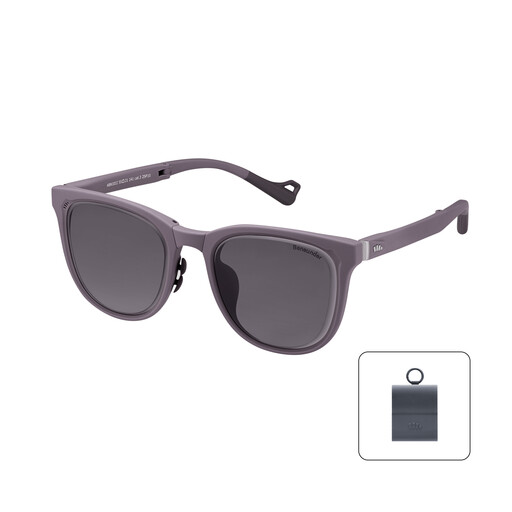
Why it's a match: Ideal for those who want stylish yet highly functional glasses for daily use and travel. The classic design is combined with modern technology, while the folding mechanism ensures maximum portability.
The TR90 frame is lightweight and resilient, avoiding the pitfall of brittle materials. Adjustable temples and nose pads ensure a stable fit. The lenses provide specified UV400 protection.
Compact, foldable design for easy portability and an adjustable fit for superior comfort.
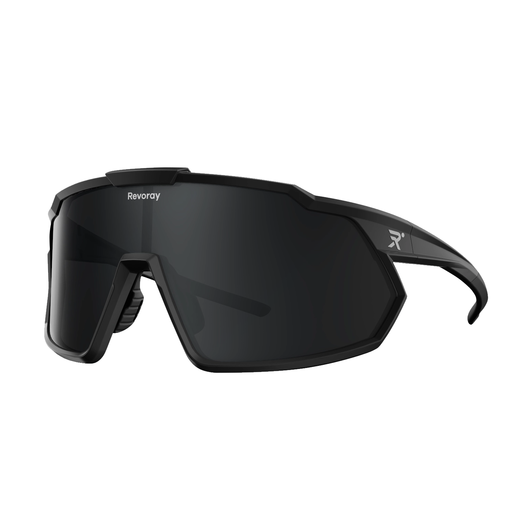
Why it's a match: Specifically designed for cycling, where low weight, aerodynamic design, and a reliable grip are crucial. These cycling glasses are optimised for high speeds and long rides.
The polarised lenses effectively reduce glare from wet roads. The ultra-light TR90 frame (approx. 33g) and adjustable, non-slip silicone pads prevent slipping, thus avoiding the problem of an unstable fit.
HD TAC polarised lenses and impact resistance certified to ANSI Z87.1 provide clear vision and protection.
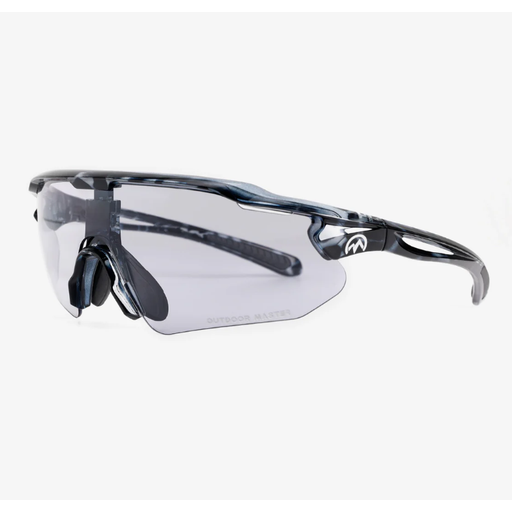
Why it's a match: For athletes who need a single pair of glasses for a wide range of conditions. The combination of photochromic and polarised technology makes them extremely versatile for running, cycling, or hiking in sun, clouds, or at dusk.
The photochromic feature solves the problem of having the wrong tint in changing light. The lightweight TR90 frame (approx. 26-29g) and adjustable nose pads ensure a secure, comfortable fit, avoiding the pitfalls of weight and instability.
Combines photochromic and polarised lenses for optimal vision and adaptability in all light conditions.
We've compiled a complete, up-to-date list of products that fully meet these strict selection criteria and all applicable safety regulations.
UV400 protection means that the lenses are designed to block up to 99.9% of all ultraviolet rays with a wavelength of up to 400 nanometres. This completely includes harmful UVA and UVB rays and is the recognised standard for comprehensive eye protection.
To prevent scratches and damage to the coating, first rinse the lenses with clean water after use to remove dust and dirt particles. Then, gently dry and polish them with a soft microfibre cloth. Avoid using paper towels, clothing, or harsh cleaning agents, as these can damage the surface.
Polarised sunglasses are an excellent choice for most outdoor sports, especially on the road or water, as they significantly reduce glare. However, polarisation can be a disadvantage for some activities. For example, it can affect the readability of LCD screens (e.g., on bike computers or smartphones). For sports like skiing in icy areas, the reduction in glare can make it harder to spot icy patches. Therefore, weigh its use depending on the activity.