
Lieferung heute & morgen

Qualitätsgarantie

Willkommens-Angebote freischalten: KOSTENLOSE Lieferung | Bis zu 80 % RABATT | Kostenlose 30-Tage-JoyPlus-Testphase
App herunterladen
A good pair of sports sunglasses is more than just a fashion accessory; it's an essential piece of gear that protects your eyes and can enhance performance. But the market is flooded with marketing promises and technical jargon that make choosing difficult. Many buyers invest in models that later turn out to be impractical or low-quality. This guide will help you navigate the most common pitfalls and make an informed decision.
The 3 Most Common Pitfalls When Buying Sports Sunglasses:
To avoid a bad purchase, you should focus on objective and measurable parameters. These three criteria are crucial for the function and longevity of a pair of sports sunglasses.
The lenses are the heart of any pair of sports sunglasses. Pay attention to the following features:
A frame must be both lightweight and robust.
For tech-savvy users, there are now models that go far beyond mere protection. Glasses with a camera, integrated audio, or AI functions allow you to record and share experiences without taking your hands off the handlebars. Such features offer genuine added value for anyone who wants to document their tours or stay connected while riding.
Here are some recommendations tailored to different user profiles that meet the criteria mentioned above.
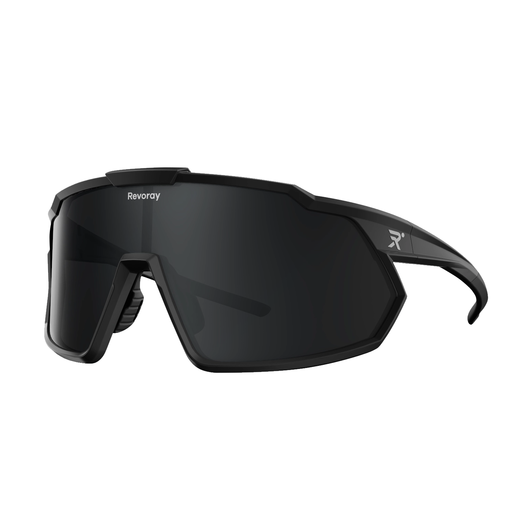
Why It's a Match: Specifically designed for cycling, this model combines polarised lenses to reduce road glare with a lightweight yet sturdy frame for long-lasting comfort at high speeds.
The TR90 frame offers genuine durability at a low weight of 33g, thus avoiding the trap of a seemingly light but unstable frame. The polarisation is a functional performance feature, not just a dark tint.
Meets the ANSI Z87.1 impact resistance standard and provides clear, glare-free vision thanks to the polarised TAC lenses. Adjustable nose pads ensure a non-slip fit.
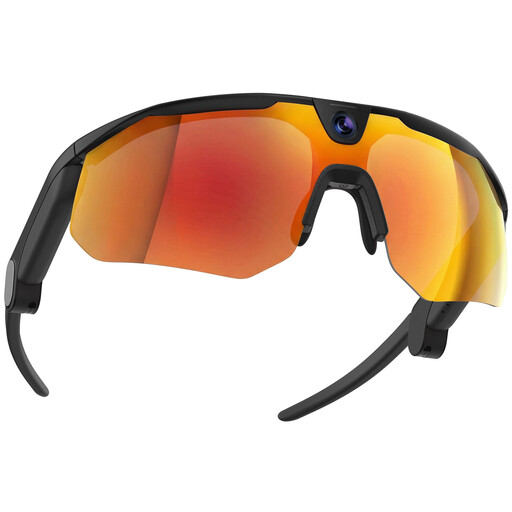
Why It's a Match: These glasses with a camera are ideal for users who want to capture their adventures. They integrate video recording, open-ear audio, and AI-powered editing into one device, keeping your hands free.
This model goes beyond basic protective functions to offer tangible technological value. The price is justified by the integrated action camera and smart software, not by exaggerated marketing terms.
Records video in 3K at 60 FPS and features electronic image stabilisation (EIS). The AI function can automatically create highlight clips from your footage.
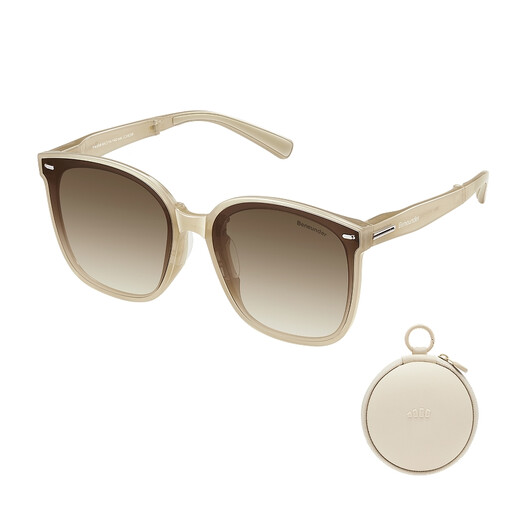
Why It's a Match: Perfect for travel and daily use. The extremely low weight and patented folding design make them exceptionally portable without compromising on protection and style.
This model delivers on the "lightweight" promise (only 26g) with a durable TR90 frame and adds a unique functional advantage with its foldability, which goes beyond empty marketing phrases.
Folds down to a thickness of just 35 mm, making it extremely space-saving. According to the manufacturer, the lenses offer ≥99.6% glare protection through an OAR anti-reflection coating.
We've compiled a complete, up-to-date list of products that fully meet these strict selection criteria.
Polarised lenses contain a special filter that blocks horizontal light waves. These waves are created when light reflects off flat surfaces like a wet road, a body of water, or snow. The result is a reduction in glare and improved contrast perception. Non-polarised lenses merely reduce overall brightness without specifically filtering glare. For most outdoor sports, especially in traffic, polarised lenses are more advantageous.
Proper care is crucial to protect the coatings and material of the lenses. Rinse the glasses with clean water after use to remove sweat and dirt. Then, gently dry them with a clean microfibre cloth. Do not use aggressive cleaning agents, alcohol, or paper towels, as these can scratch the lenses or damage the coatings. Store the glasses in a hard-shell case when not in use.
Yes, there are several solutions for glasses wearers. Some models, like the BleeqUp Ranger, come with a special prescription insert (also known as a clip-in). An optician can fit custom prescription lenses into this insert. This clip is then attached behind the main lenses of the sports sunglasses. This is a flexible and often more cost-effective alternative to directly glazed sports glasses.