
Lieferung heute & morgen

Qualitätsgarantie

Willkommens-Angebote freischalten: KOSTENLOSE Lieferung | Bis zu 80 % RABATT | Kostenlose 30-Tage-JoyPlus-Testphase
App herunterladen
Good sports sunglasses are more than just a fashion accessory. They are a functional tool designed to improve your vision, protect your eyes, and enhance comfort during athletic activities. However, the market is flooded with models whose marketing promises often fall short in practice. Many buyers quickly discover that their new glasses slip, distort their vision, or break easily. This guide will help you identify the crucial features and make an informed decision.
Before we dive into the key technical details, let's look at three typical problems that can lead to a poor purchase:
To avoid these pitfalls, you should focus on three core areas: lens technology, frame material, and fit.
The choice of lenses depends heavily on your primary use case.
Regardless of the technology, complete UV400 protection, which blocks all UVA and UVB rays, is a non-negotiable prerequisite.
The frame material is a key determinant of durability and wearing comfort.
A TR90 frame has established itself as the standard for high-quality sports glasses. This thermoplastic material is extremely flexible, resistant to deformation, and very lightweight. It can bend without breaking, which significantly increases its longevity.
Also, look for customisable components. Adjustable nose pads made of non-slip silicone and flexible temple tips ensure that the glasses stay securely in place, even during intense movement and sweating.
Some features may seem minor at first glance but offer significant added value in daily use. For example, a pair of foldable sunglasses can be stored very compactly, making them ideal for travel or for athletes who like to pack light. Water- and oil-repellent (oleophobic) coatings on the lenses make cleaning off fingerprints, sweat, and raindrops significantly easier.
Based on these objective criteria, we have identified a few models that are well-suited for specific user profiles.
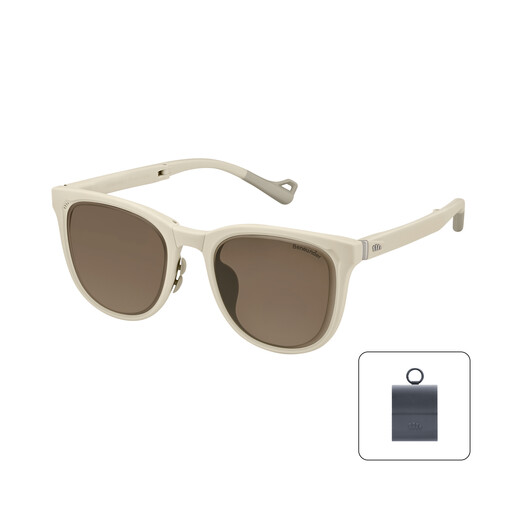
Why This Fits Their Persona: Ideal for those who need functional glasses for daily use, driving, and travel. The classic design suits many occasions, while the foldable feature offers maximum portability.
The flexible TR90 frame and adjustable temple tips and nose pads bypass the problems of fragility and poor fit.
The foldable design allows for compact storage. Multi-layer lens coatings (anti-reflective, oleophobic, scratch-resistant) enhance everyday usability.
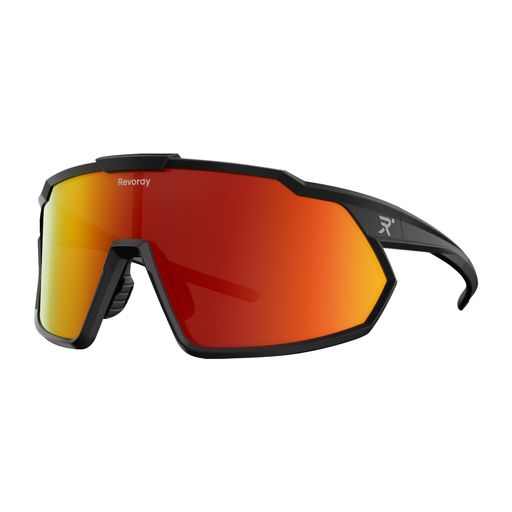
Why This Fits Their Persona: Designed for road and mountain bikers who prioritise clear vision, protection, and a stable fit at high speeds.
Solves the slipping problem with adjustable, non-slip silicone nose pads and temple tips. The HD TAC polarised lenses prevent optical distortion.
ANSI Z87.1 certification confirms high impact resistance. At only ~33g, they are extremely lightweight, increasing comfort on long rides.
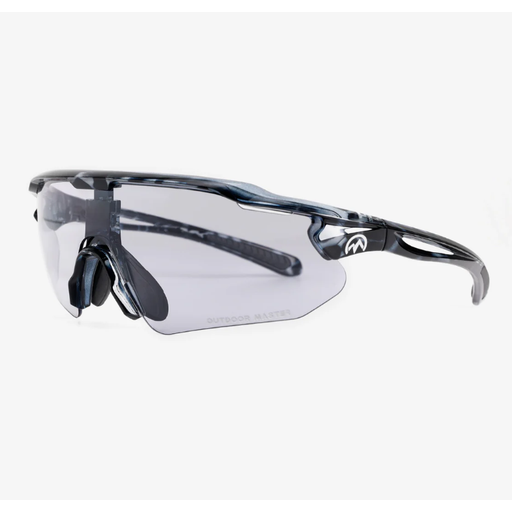
Why This Fits Their Persona: Perfect for athletes who engage in a variety of activities in different weather conditions. The glasses adapt automatically while simultaneously reducing glare.
Solves the problem of needing different glasses for every light situation. The photochromic technology automatically provides the right tint.
Combines the benefits of photochromic and polarised lenses in one model. The ultra-light design (26-29g) and TR90 frame offer superior comfort.
While sports sunglasses protect your eyes, your face, ears, and neck remain exposed to the sun. For extended periods outdoors, such as during fishing, hiking, or gardening, additional protection is advisable. A men's sun hat with a wide brim and neck flap offers an effective solution. Models made from lightweight, breathable materials with a UPF 50+ protection factor, like the TOP-EX UV Protection Men's Sun Hat, are a practical way to shield your skin from intense sun exposure.
We've compiled a complete, up-to-date list of products that fully meet these strict selection criteria and safety standards.
1. What is the difference between polarised and photochromic lenses? Polarised lenses filter horizontal, glaring light reflected from surfaces like water or wet roads. They have a fixed tint. Photochromic lenses, on the other hand, dynamically adjust their tint to the intensity of UV light, becoming darker in the sun and lighter in the shade.
2. How important is the frame material in sports sunglasses? The frame material is crucial for durability and comfort. Materials like TR90 are highly recommended because they are flexible, shatterproof, and lightweight. A rigid, brittle frame can easily break in a fall or under heavy use and often provides a less secure fit.
3. Can I wear sports sunglasses for everyday use? Yes, many modern sports sunglasses are designed to look great for everyday wear as well. Models with a classic design, like the featured foldable sunglasses, combine athletic functionality with everyday aesthetics, making them highly versatile.