
Lieferung heute & morgen

Qualitätsgarantie

Willkommens-Angebote freischalten: KOSTENLOSE Lieferung | Bis zu 80 % RABATT | Kostenlose 30-Tage-JoyPlus-Testphase
App herunterladen
Performance sports sunglasses aren't a luxury; they're a necessity for clear vision and eye protection during outdoor activities. But the market is filled with marketing promises that often create more confusion than clarity. Many buyers invest in models that prove to be impractical or inadequate after a short time. Before you make a decision, you should know the most common pitfalls that can lead to a bad purchase.
The 3 Most Common Mistakes When Buying Sports Sunglasses:
To make an informed decision, you should focus on the technical parameters that truly make a difference. Instead of being dazzled by designs, check the following three core features.
The choice of the right lenses depends on your primary use case.
For lightweight sunglasses that fit securely even during intense movement, the frame material is crucial. Many high-quality models use TR90, a thermoplastic material valued for several key properties:
A model under 35 grams is a good benchmark for long-lasting comfort.
This is a non-negotiable criterion. The UV400 label confirms that the lenses block nearly 100% of harmful ultraviolet rays up to a wavelength of 400 nanometres. This includes both UVA and UVB rays and is the recognised standard for comprehensive eye protection.
Based on these objective criteria, we have identified several models suitable for specific user profiles and their requirements.
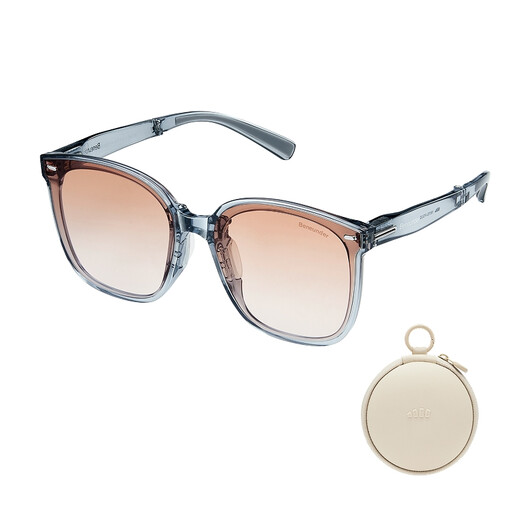
Why This Fits Their Persona: Ideal for commuters and travellers who value compactness and style. The foldable design allows the glasses to be stored in any bag to save space, while their low weight makes them perfect for daily use and driving.
Weighing just 26g, it avoids the pitfall of heavy glasses. The specified UV400 protection and OAR anti-reflection coating (reducing glare by ≥99.6% according to the manufacturer) address the issues of inadequate protection and glare.
Patented tri-fold design for maximum portability. Lightweight TR90 frame and scratch-resistant coating for durability.
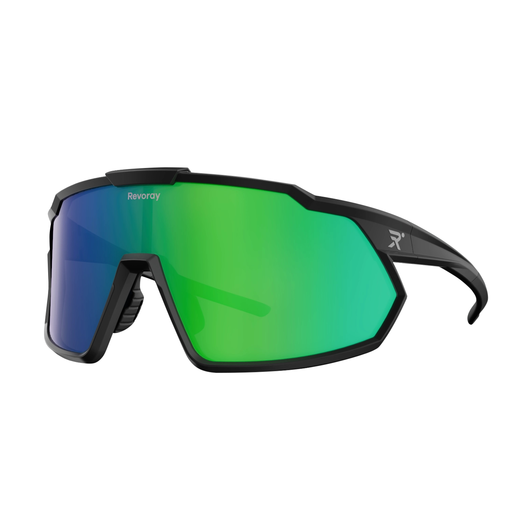
Why This Fits Their Persona: Designed for road and mountain bikers who need robust, reliable, and high-performance glasses. The focus is on clear vision at high speeds and a secure fit, even on uneven terrain.
The polarised HD TAC lenses specifically combat road glare. At 33g, they are lightweight sunglasses that remain comfortable even on long rides. The ANSI Z87.1 certification for impact resistance provides an added layer of safety.
Polarised lenses for glare reduction and a lightweight yet sturdy TR90 frame. Adjustable, non-slip nose pads and temples ensure a secure fit.
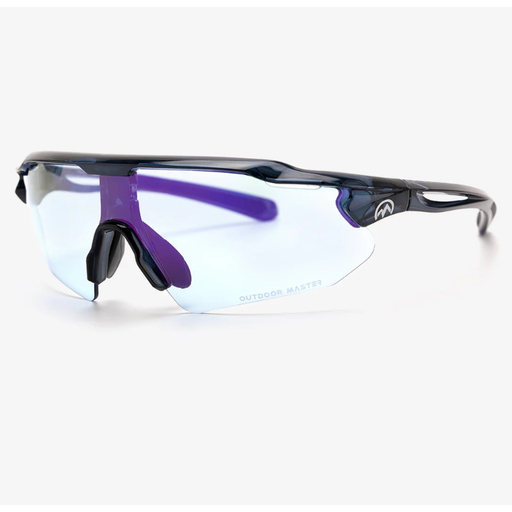
Why This Fits Their Persona: Perfect for athletes who engage in various activities in different weather conditions. The glasses adapt to changing light conditions while simultaneously reducing glare, making them a versatile companion for cycling, running, and hiking.
This model combines both advanced lens technologies, solving the dilemma of having to choose between polarised and photochromic. Weighing 26-29g, it is extremely lightweight and meets the UV400 standard.
Combination of photochromic and polarised lenses for maximum adaptability. Very lightweight design and a wide peripheral field of view.
We have compiled a complete, up-to-date list of products that fully meet these strict selection criteria and all relevant safety standards.
1. Do photochromic sunglasses work in a car? Generally, they are not effective. Most photochromic lenses react to UV radiation to darken. Since modern car windshields block most UV radiation, this transition process barely happens, if at all, inside the vehicle. For dedicated sunglasses for driving, a model with polarised lenses is often the more reliable choice for reducing glare.
2. How can I tell if sunglasses are truly polarised? A simple test: Hold the glasses in front of an LCD screen (like a smartphone or computer) and rotate them 90 degrees. If the lenses are polarised, the screen will appear to go dark or completely black when viewed through them.
3. What does a TR90 frame mean for lightweight sunglasses? TR90 is a high-quality thermoplastic material known for its exceptional lightness, flexibility, and resilience. Frames made from TR90 are very comfortable because they exert almost no pressure, and they are also robust enough to withstand the stresses of sports without breaking or deforming.