
Lieferung heute & morgen

Qualitätsgarantie

Willkommens-Angebote freischalten: KOSTENLOSE Lieferung | Bis zu 80 % RABATT | Kostenlose 30-Tage-JoyPlus-Testphase
App herunterladen
Whether the low-hanging sun is blinding you on a bike ride, reflections are glaring off the water while you fish, or the wind is whistling past your ears on a run, a high-quality pair of sports sunglasses is more than just a fashion accessory. It's a functional piece of gear that enhances your vision and protects your eyes. However, the sheer variety of models, lens technologies, and materials can be overwhelming.
This article serves as your guide. We'll explain the most important features like polarization, photochromic technology, and UV protection, and present a selection of models to help you choose the right sports sunglasses for your needs.
The right pair of glasses can significantly impact your athletic performance and comfort. Three criteria are especially important when making your choice.
The choice of lens depends heavily on your sport and the prevailing light conditions.
Two technical specifications are crucial for durability and protection.
A good pair of men's sports glasses or women's sports glasses should, above all, fit securely and comfortably. Non-slip nose pads and temple tips ensure the glasses stay in place during fast movements and perspiration. An aerodynamic, wraparound design also protects the eyes from wind, dust, and insects.
Based on the criteria mentioned, we have compiled a selection of models that stand out for their functional properties.
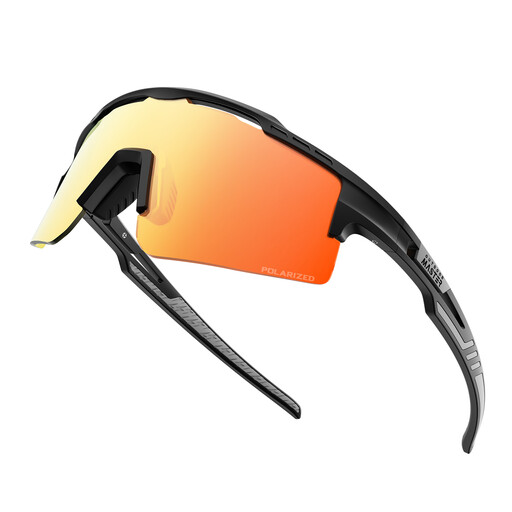
Why It Stands Out: This model combines a robust TR90 frame with polarized TAC lenses. The aerodynamic design is specifically engineered to minimize wind resistance at high speeds, making it a functional pair of cycling glasses.
Advantages:
Best For: Ideal for cyclists, water sports enthusiasts, and drivers who need reliable anti-glare protection and a sturdy build for activities in consistently bright conditions.
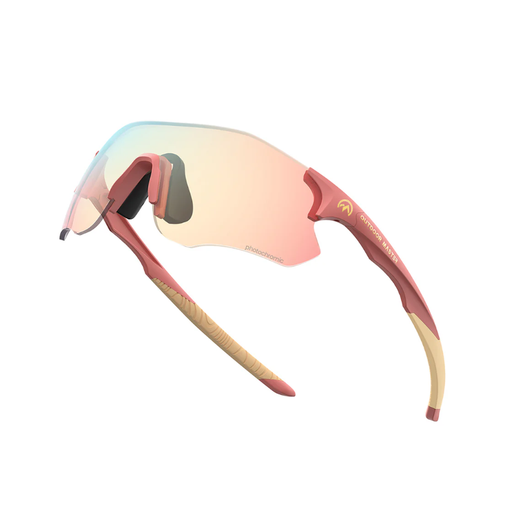
Why It Stands Out: The HawkSharp is distinguished by its photochromic HD lens technology. The tint automatically adjusts to light conditions (from Category 0 to 3), making them extremely versatile.
Advantages:
Best For: Perfect for athletes who are active in changing light conditions, such as mountain bikers, trail runners, or golfers. A great choice for all-around cycling glasses.
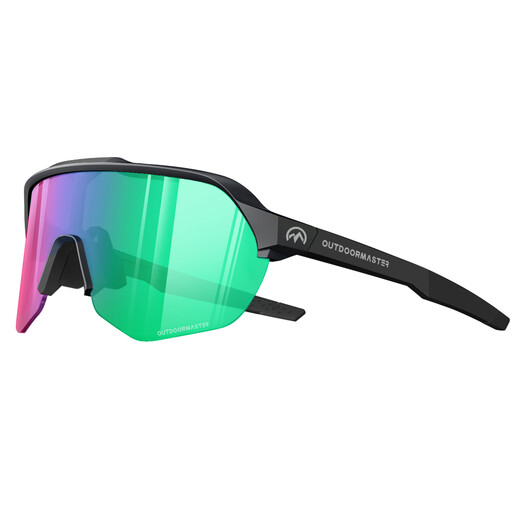
Why It Stands Out: This model offers a combination of polarized HD lenses and versatility thanks to the included interchangeable lenses. The lenses, with a Visible Light Transmission (VLT) of 48%, are suitable for a wide range of light conditions.
Advantages:
Best For: A great option for athletes looking for a versatile pair of glasses for different activities and light conditions who appreciate the benefits of polarized lenses.
Do you prefer a specific frame or lens color that isn't listed here? A pair of glasses is also an expression of personal style. If you're looking for a model with a specific color accent, you can find more inspiration in our categories.
Discover our selection of models, for example, in the red glasses category, to complete your gear.
1. What does UV400 protection mean for sports sunglasses?UV400 protection indicates that the sunglass lenses completely block harmful ultraviolet rays (UVA and UVB) with a wavelength of up to 400 nanometers. This is the highest standard of protection for sunglasses and is essential for protecting eye health during outdoor activities.
2. Are polarized or photochromic glasses better for cycling? It depends on your route. Polarized glasses are ideal for rides on sunny, wet roads, as they significantly reduce glare. Photochromic glasses are more advantageous if your route takes you through areas with changing light, such as forests and open landscapes, as the tint adjusts automatically.
3. What is TR90 and why is it used for sports glasses?TR90 is a lightweight, flexible, and very durable thermoplastic material. It is used for sports glasses frames because it resists breaking even when bent, its low weight enhances comfort during long activities, and it is resistant to chemicals and UV radiation.