
Lieferung heute & morgen

Qualitätsgarantie

Willkommens-Angebote freischalten: KOSTENLOSE Lieferung | Bis zu 80 % RABATT | Kostenlose 30-Tage-JoyPlus-Testphase
App herunterladen
A good pair of sports sunglasses is more than just a fashion accessory. It protects your eyes from UV radiation, glare, wind, and debris. However, the market is flooded with models whose marketing promises are often more style than substance. Many athletes invest in expensive glasses only to find that they slip during the first strenuous tour, are useless in changing weather, or the frame breaks after just a few months. As your Joybuy Product Recommendation Specialist, I'll help you recognise these pitfalls and make an informed decision.
Before we look at the important features, let's highlight the typical problems that lead to a poor purchase.
To avoid these mistakes, you should focus on three objective criteria that define functional sports glasses.
The frame material largely determines the weight, flexibility, and durability. A proven choice for sports glasses is TR90. This thermoplastic polyamide is extremely lightweight, flexible, and retains its shape. Frames made from TR90 can bend without breaking and return to their original form. A lightweight pair of sunglasses made from this material often weighs only 25 to 35 grams and is barely noticeable even during long training sessions. Look for this material instead of being dazzled by brand names.
The lenses are the heart of any sports glasses. Here are the most important technologies:
Cycling glasses or running glasses must sit securely even during intense movement and perspiration. The crucial elements for this are:
Based on these objective criteria, we have identified a few models suitable for different types of athletes.
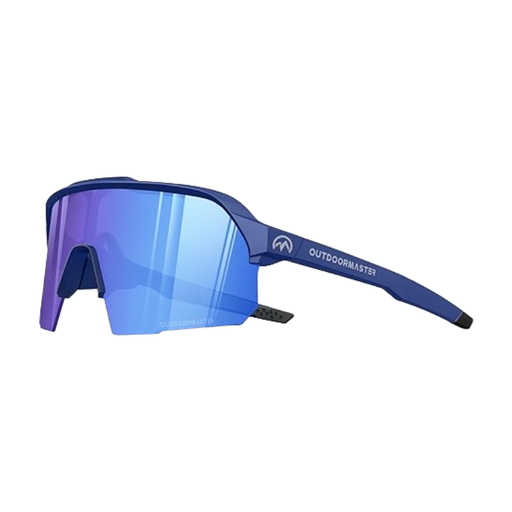
Why It's a Match: Perfect for athletes who engage in various disciplines like cycling, running, or water sports and need a flexible solution for changing light conditions.
Solves the problem of inflexible tinting with included interchangeable lenses. The lightweight and durable TR90 frame avoids the brittle material trap.
Polarized HD lenses for clear, glare-free vision and an additional clear interchangeable lens for low-light conditions.
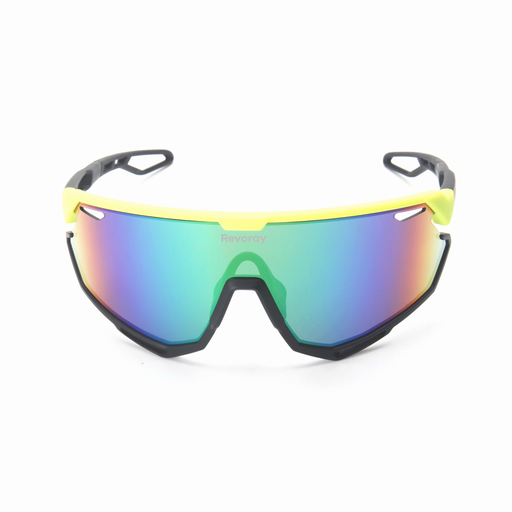
Why It's a Match: Designed for road and mountain bikers who prioritise low weight, aerodynamics, and a stable fit at high speeds.
The extremely lightweight design (approx. 30g) and non-slip temples and nose pads effectively counteract the slip trap caused by sweat and vibrations.
Aerodynamic design to reduce wind resistance and a large, one-piece PC lens for a wide, unobstructed field of view and impact resistance.
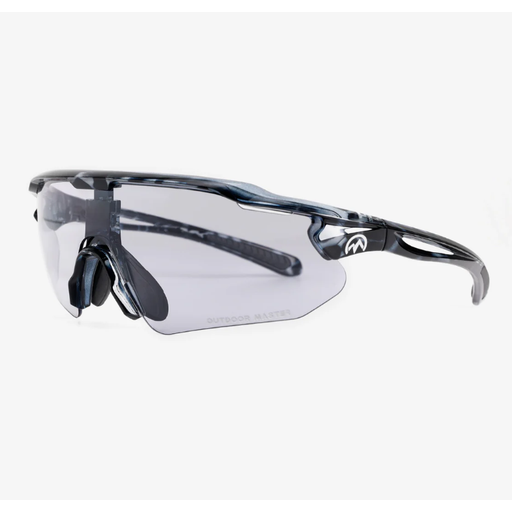
Why It's a Match: For athletes who seek maximum convenience and don't want to bother with swapping lenses. These glasses adapt on their own.
Photochromic technology automatically solves the problem of incorrect tinting, making it unnecessary to carry spare lenses.
Combines photochromic and polarizing properties in a single lens. The lightweight TR90 frame and adjustable nose pads ensure superior comfort.
We have compiled a complete, up-to-date list of products that fully meet these strict selection criteria and UK safety regulations.
UV400 protection is a standard indicating that the lenses filter harmful ultraviolet rays (UVA, UVB, and UVC) up to a wavelength of 400 nanometres. This ensures comprehensive protection for the eyes against sun damage and is an essential feature for any sports and everyday glasses.
First, rinse the glasses under lukewarm water to remove dust and dirt particles that could scratch the lenses. Then, use a special microfibre cleaning cloth and, if necessary, a mild, pH-neutral soap solution. Avoid harsh cleaning agents, paper towels, or clothing, as these can damage the lens coatings. Store the glasses in a hard-shell case when not in use.
Polarized sports sunglasses are an excellent choice for most outdoor activities, especially near water or on wet roads. However, there is one exception: they can impair the readability of LCD screens (e.g., on bike computers, smartphones, or in a car's cockpit). For sports where reading such displays is crucial, a non-polarized but contrast-enhancing lens may be a better alternative.