
Lieferung heute & morgen

Qualitätsgarantie

Willkommens-Angebote freischalten: KOSTENLOSE Lieferung | Bis zu 80 % RABATT | Kostenlose 30-Tage-JoyPlus-Testphase
App herunterladen
Sports sunglasses need to do more than everyday tinted sunglasses. When you’re cycling, running, playing golf or hiking, the light, wind and your movement are constantly changing. At the same time, your sunglasses should feel light, stay securely in place and offer as wide a field of vision as possible. If you choose based only on lens colour or eye-catching design, you may overlook important technical details.
Polarised sunglasses reduce reflected light, for example from wet roads, water or metal. However, polarisation alone says nothing about UV protection. Look for a clear specification such as UV400, along with reliable product and manufacturer information.
Very dark lenses can restrict your vision in changeable weather or in the shade. If you’re travelling through wooded areas, overcast stretches or between indoor and outdoor spaces, photochromic sunglasses may be more practical. However, these lenses react to UV radiation, so they may adjust less behind a windscreen.
Lightweight TR90 sunglasses can be comfortable to wear for long periods. But it’s also important that the nose pads and arms suit your face shape. Rigid arms, smooth contact points and an overly wide frame are more likely to slip during a bike ride or run. Adjustable nose pads and non-slip details are therefore useful design features.
UV400 refers to protection against wavelengths of up to 400 nanometres. Check that the retailer states this explicitly and that the product description gives consistent information. Tinting does not replace UV protection. For everyday use, scratch-resistant, water-repellent or oleophobic coatings are also useful, as sweat, dust and raindrops can affect your vision.
For sunglasses for outdoor sports, the lenses should also suit the light conditions. A stated light transmission value, such as VLT, makes it easier to compare products: a lower value lets through less visible light and is generally intended for bright conditions. Lighter or photochromic lenses may be more suitable for overcast days or shaded routes.
Polarised lenses can reduce distracting reflections from roads, water or vehicles. This can be useful when fishing, sailing or cycling. If you’ll be driving, check that you can still read your vehicle’s display clearly through polarised lenses.
Sunglasses with interchangeable lenses offer more flexibility for different light conditions. Clear spare lenses can be used when visibility is low. When using an interchangeable lens system, make sure the lenses click securely into place and only handle them by the edges when changing them.
Weight is often given in grams. Models weighing around 25 to 33 grams may be worth considering for longer activities, but weight distribution is just as important. Check the frame width, arm length and bridge width, and whether the fit is suitable for medium or larger face shapes.
Cycling sunglasses should provide enough coverage at the sides without restricting your field of vision. Vented lenses can help reduce fogging during exercise. For travel and everyday use, folding sunglasses with a compact folded size may be more practical.
The information below is based on the respective product descriptions provided by the retailers. It is intended to help you compare technical features and does not replace an individual fit assessment.
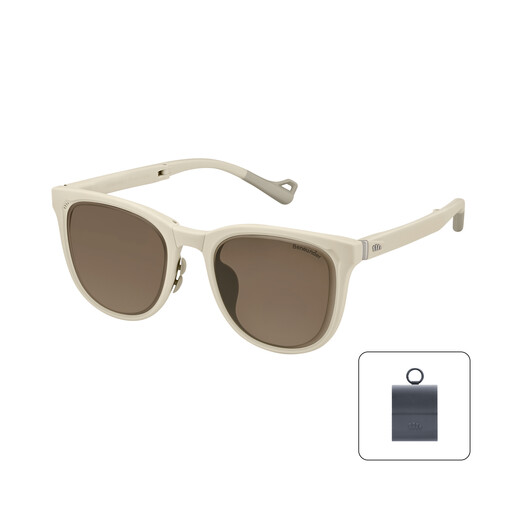
Why it suits this profile: According to the manufacturer, this model combines a foldable design with a TR90 frame and UV400 nylon lenses. It’s a good option for beginners looking for versatile sunglasses for walks, travel and occasional outdoor activities.
The product description specifies UV400, adjustable arm positions and movable nose pads, rather than simply stating that the lenses are dark. Its compact folded size makes it easy to store.
TR90 frame, foldable design and a weight of around 0.97 oz according to the retailer. The product also features anti-reflective, oleophobic and scratch-resistant coatings.
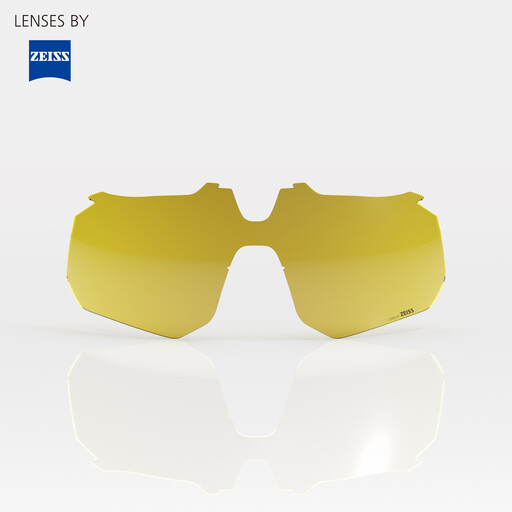
Why it suits this profile: According to the retailer, this model has ZEISS lenses with a stated light transmission of 18 to 43 per cent, as well as UV400 protection. It’s aimed at users who value clearly specified lens details and coatings.
The product details specify light transmission and coatings, making it easier to choose lenses to suit bright outdoor routes, cycling or everyday use.
According to the product description, the lenses have scratch-resistant, water-repellent and oleophobic coatings. Suitable activities include cycling, running, hiking and driving.
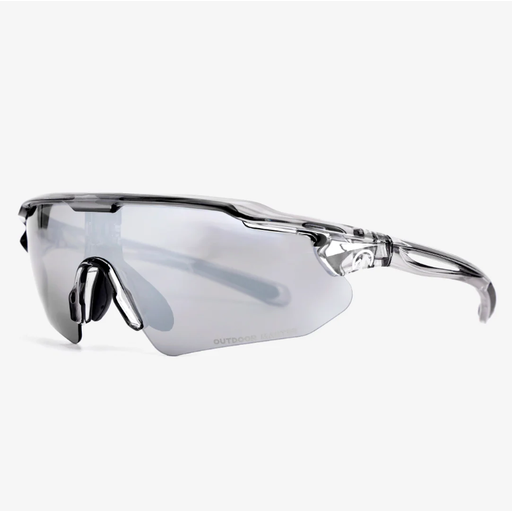
Why it suits this profile: According to the manufacturer, this model combines photochromic, polarised polycarbonate lenses with a TR90 frame. It’s a good fit for frequent wearers who spend time outdoors in changeable light.
The lenses adapt to UV light, which can make it easier to move between bright and less brightly lit areas. When driving, bear in mind that they may adjust less behind a windscreen.
According to the retailer, the weight is around 26 to 29 g depending on the lens configuration. Features include UV400, adjustable nose pads, an inner prescription lens clip and a storage case.
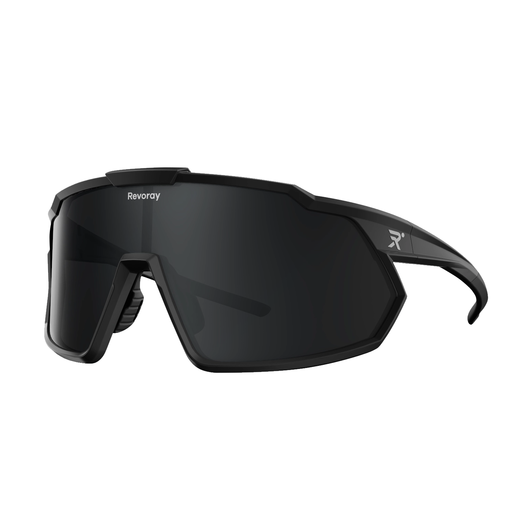
Why it suits this profile: According to the manufacturer, these cycling sunglasses have polarised TAC lenses, a TR90 frame and weigh around 33 g. They’re designed for road cycling and mountain biking.
As well as polarisation, the product description specifies UV400, light transmission of around 15.2 per cent and adjustable, non-slip nose pads.
According to the retailer, the lenses have water-repellent, oil-repellent and scratch-resistant coatings. The product is also stated to meet the ANSI-Z87.1 performance standard.
We’ve put together a complete, regularly updated list of products that meet these strict selection criteria and the safety regulations in force in the EU.
They can reduce reflections from wet roads, water or vehicle surfaces. However, they don’t replace a stated level of UV protection. For cycling, a secure fit, adequate coverage and a tint suited to the light conditions are also important.
Their lifespan depends on the lens coating, hinges, storage and how much they’re used. Frequent folding, storing them loose and cleaning them with rough materials can damage the lenses more quickly. Replace your sunglasses if you notice scratches, loose arms or impaired vision.
The price depends mainly on the lens type, coatings, interchangeable lenses, adjustment options and frame material. Don’t compare price alone: also check the UV400 specification, weight, dimensions, fit and intended use.