
Lieferung heute & morgen

Qualitätsgarantie

Willkommens-Angebote freischalten: KOSTENLOSE Lieferung | Bis zu 80 % RABATT | Kostenlose 30-Tage-JoyPlus-Testphase
App herunterladen
If you’re looking for sports sunglasses for cycling, hiking, golf, fishing, driving or travelling, you’ll find plenty of models making similar claims. Terms such as UV400, HD lenses, polarisation and photochromic technology may sound impressive, but they don’t tell you on their own whether a pair will work for you in everyday use. What matters is the combination of protection, vision, fit, weight and intended use.
UV400 describes the stated protection range, up to a wavelength of 400 nanometres. It’s an important factor, but it doesn’t replace checks on fit, lens quality, labelling and build quality. Some lesser-known products don’t provide clear information about the manufacturer or product compliance.
So look for clear, verifiable product details, and don’t choose sunglasses solely because the lenses are dark. Dark lenses without stated UV protection aren’t enough to make an informed choice.
Polarised sunglasses can reduce reflections from roads, water or metal surfaces. This can be useful when fishing, on hiking trails or in bright sunshine. However, when driving, they may make certain displays or liquid-crystal screens harder to see, depending on the vehicle and your viewing angle.
According to the product information, photochromic sunglasses adjust their tint in response to UV exposure. This effect may be weaker behind a car windscreen, as windscreens block some UV radiation. They can be useful in changing light conditions, but aren’t automatically suitable for every journey.
Lightweight sunglasses with a flexible TR90 frame can be more comfortable to wear during long activities. For cycling and fast movements, though, non-slip nose pads, adjustable arms and adequate coverage are important too. Glasses that slip when you sweat or move your head can affect your vision.
Check that the seller clearly states the UV protection as UV400. For sports sunglasses, details of visible light transmission, or VLT, can also be helpful. A low VLT value means a darker lens, which is generally better suited to bright conditions.
Sunglasses with glare reduction can help minimise reflections. Polarisation is a specific filtering technology and shouldn’t be confused with general anti-reflective treatment. Coatings that repel water and oil or help prevent scratches can make everyday care easier, but they don’t make lenses damage-proof.
TR90 is often used for sports and cycling sunglasses. This thermoplastic material is lightweight and flexible. Whether a particular pair is suitable for sporting use also depends on its construction, hinges, lens material and stated testing standards.
According to the product information, the Revoray Y1 has TAC polarised lenses, a TR90 frame, weighs around 33 grams and has been tested to ANSI Z87.1. This shouldn’t be taken to mean it offers unrestricted protection for every sport. Specialised safety glasses are required for work involving a high risk of flying debris.
If possible, measure the width of a pair of glasses that fits you well and compare it with the product measurements. Key dimensions include frame width, bridge width, arm length and lens height. If you wear glasses, fitover sunglasses that go over your prescription frames may be a good option.
For cycling, choose glasses that provide enough coverage at the sides without pressing against your cheeks or eyebrows. For hiking and travelling, low weight, a case and scratch-resistant storage are especially useful. Foldable sunglasses save space, but the folding mechanism and hinges need to be handled with care.
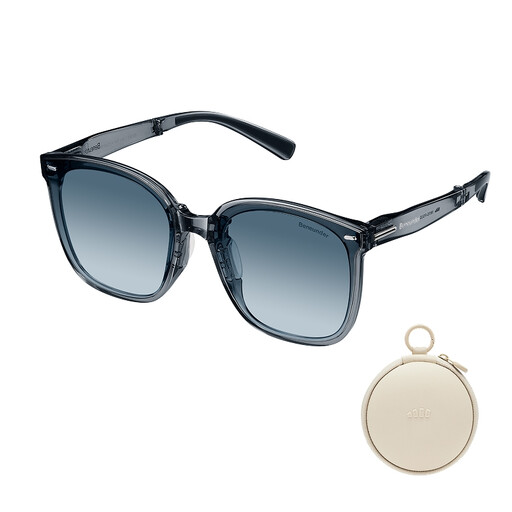
Why this product suits this profile: According to the product information, this model weighs 26 g and has a frame that folds in three, collapsing to around 35 mm thick. That makes it a good fit for travelling, everyday journeys and occasional outdoor activities.
The product page gives specific details about weight, folded dimensions, UV400 coating and lens material, rather than relying on vague comfort claims.
TR90 frame, nylon lenses, stated UV400 protection and a foldable design available in several colours.
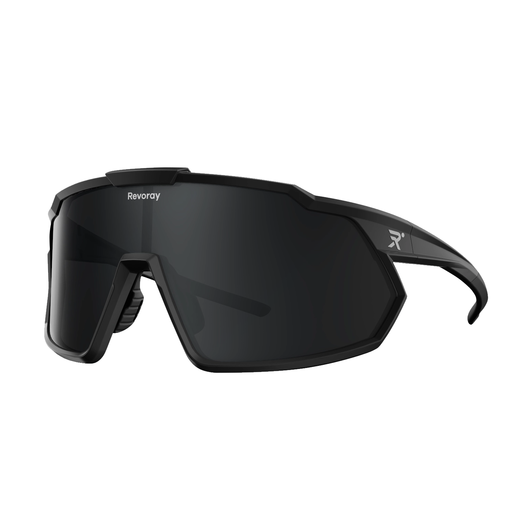
Why this product suits this profile: According to the manufacturer, these cycling glasses combine TAC polarised lenses, a weight of around 33 g, adjustable silicone nose pads and testing to ANSI Z87.1.
Details on light transmission of around 15.2%, coatings and the testing standard make it easier to assess than broad, general claims about HD lenses.
TAC polarised lenses, TR90 frame, water- and oil-repellent coating and adjustable non-slip features.
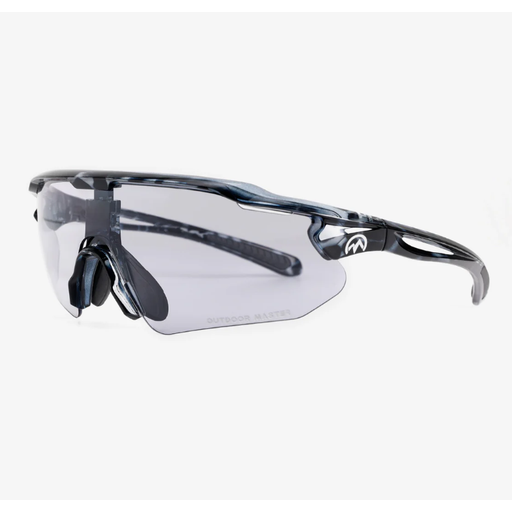
Why this product suits this profile: This model is aimed at people who encounter changing light conditions. According to the product information, photochromic and polarised versions are available, along with a TR90 frame, adjustable nose pads and an optional prescription insert.
The product information explicitly warns that the photochromic tint may not darken sufficiently in a vehicle because of the windscreen.
Weight of around 26 to 29 g, depending on the version, stated UV400 protection, polycarbonate lenses and included accessories, including an insert frame.
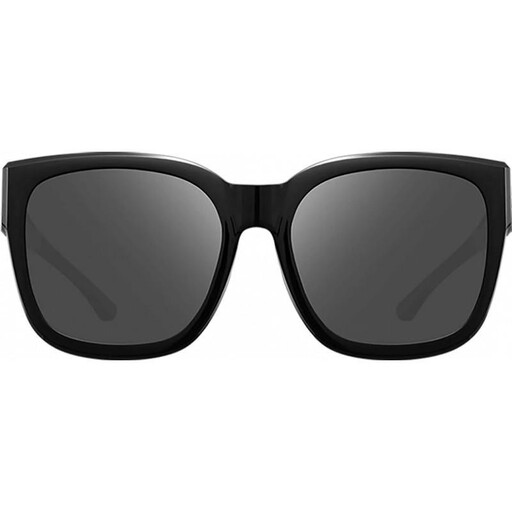
Why this product suits this profile: According to the product description, these fitover sunglasses are designed to be worn over prescription glasses, making them suitable for everyday use, travelling and outdoor activities.
The design addresses the challenge of wearing two pairs of glasses together without compromising coverage or stability.
Over-glasses design, polarised lenses and a plastic frame, according to the product details.
We’ve put together a complete, regularly updated list of products that meet these strict selection criteria and fully comply with the safety regulations in force in the EU.
Rinse off dust and sand with clean water before cleaning the lenses with a soft microfibre cloth. Dry particles can otherwise cause fine scratches. Don’t use harsh cleaning products unless the manufacturer specifically approves them.
Keep your sunglasses in a case and don’t place them lens-side down. If the arms are loose, the coatings are damaged or there are visible cracks, don’t continue wearing the sunglasses for sport. There’s no single guideline for how long a pair will last: use, care, heat and mechanical stress all play a part.
For cycling sunglasses, look for stated UV400 protection, a secure fit, sufficient coverage at the sides, low weight and non-slip features. If you cycle regularly, details of impact resistance and a suitable field of vision may also be important.
Polarised sunglasses can reduce reflections from wet roads and other surfaces. However, check that you can still read your displays and instruments clearly. Photochromic sunglasses may not darken as much behind a windscreen.
The price depends on factors such as lens material, coatings, adjustability, accessories and stated testing standards. Start by comparing the features you need for your intended use. A lower-priced model may be enough for occasional walks, while frequent users may want to prioritise replacement parts, a case, durable materials and a precise fit.