
Lieferung heute & morgen

Qualitätsgarantie

Willkommens-Angebote freischalten: KOSTENLOSE Lieferung | Bis zu 80 % RABATT | Kostenlose 30-Tage-JoyPlus-Testphase
App herunterladen
Sports sunglasses need to do more than everyday tinted sunglasses. When you’re cycling, running, playing golf or riding a motorbike, wind, dust, sweat and changing light conditions all affect your face and the area around your eyes. At the same time, your sunglasses should feel light and stay in place when you move.
Many people, however, make their choice based on claims that sound convincing at first but don’t mean much in practice. The points below will help you assess marketing claims and choose sports sunglasses to suit the way you’ll use them.
The UV400 label indicates the stated level of protection against ultraviolet radiation up to a wavelength of 400 nanometres. On its own, however, it says nothing about impact resistance, field of vision, fit or build quality. Sunglasses with UV400 protection may be suitable for everyday use, but that doesn’t automatically make them right for fast descents or uneven terrain.
So, check the lens material, the European marking and any specific guidance on intended use, too. According to the product descriptions, several models in this selection offer UV400 protection, but their other features vary considerably.
Polarised sunglasses can reduce reflections from water, tarmac and metal surfaces. This can be useful for anglers, drivers and cyclists in bright sunshine. In overcast weather, woodland or at dusk, however, dark lenses can reduce brightness more than you’d like.
Visible light transmission, or VLT, is therefore an important figure to compare. For example, some models are listed with VLT values of around 12 to 18 per cent. The lower the figure, the more the lenses are designed for bright light. Photochromic sunglasses are often more versatile in changeable conditions.
Lightweight sports glasses weighing around 25 to 33 grams can be more comfortable to wear. But what matters most is whether the nose pads and arms stay secure when you move. Arms that are too wide, a lack of non-slip features or a frame that’s too small can cause pressure points or slipping.
Before buying, check the frame width, arm length and adjustment options. Adjustable nose pads or flexible arms can be useful on longer rides and during strenuous activities.
Sunglasses with UV400 protection should include clear information about the level of protection and compliance. Polycarbonate or nylon lenses are often used because they’re lighter than conventional glass. The term ‘shatterproof’ shouldn’t be taken as a blanket guarantee: even impact-resistant lenses may need replacing if they’re damaged.
For products that list a standard or certification, you should be able to verify this information directly in the product description. For example, the product description states that the Revoray Y1 series has been tested to ANSI Z87.1. This does not, however, mean it protects against every type of impact.
The right tint depends on how you’ll use your sunglasses:
With photochromic models, bear in mind that the tint may change less behind a windscreen, as windscreens filter out some UV radiation.
TR90 is a thermoplastic frame material used in several of the models listed here. According to the product descriptions, it offers a lightweight and flexible frame. The material alone, however, doesn’t guarantee the right fit.
For road cycling and mountain biking, a wide field of vision, non-slip arms and good coverage are useful features. Anti-fog sports glasses should have ventilation openings or an appropriate coating. If you’re choosing fit-over glasses to wear over prescription glasses, interior space, arm clearance and pressure on your prescription frames are especially important.
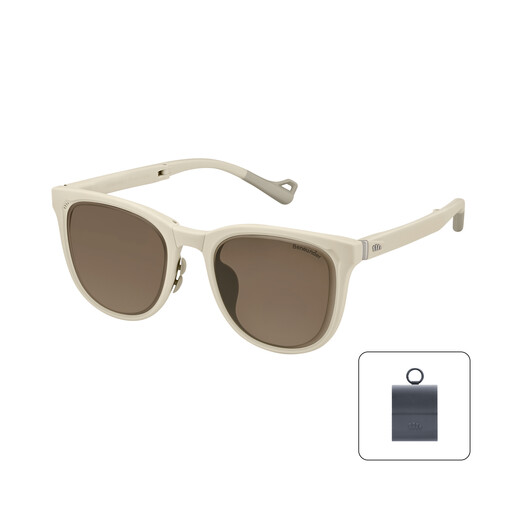
Why this product suits this profile: The foldable design is suitable for everyday wear, walks and occasional outdoor activities. According to the product description, the frame is made from TR90 and weighs around 0.97 oz.
The product description lists UV400 protection, a scratch-resistant and oleophobic coating, and adjustable arms and nose pads. This makes it easier to check important basic details before you buy.
Foldable design, TR90 frame and several adjustment options to suit different face shapes.
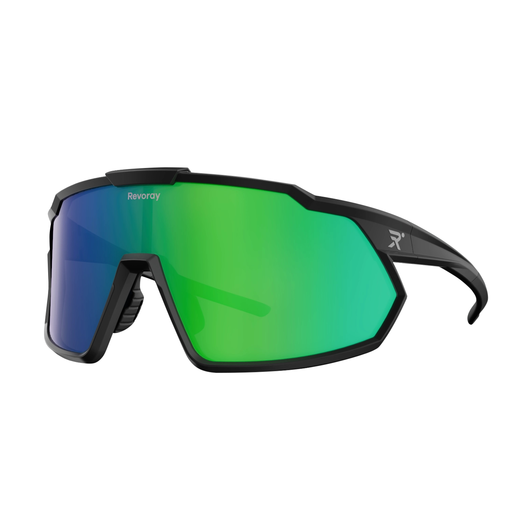
Why this product suits this profile: According to the product description, this model is designed for cyclists who want to combine polarised TAC lenses, a lightweight design and adjustable contact points.
The product description lists light transmission of around 15.2 per cent, UV400 protection, water and oil resistance, and compliance with ANSI Z87.1.
Around 33 g in weight, adjustable silicone pads and polarised TAC lenses for bright conditions.
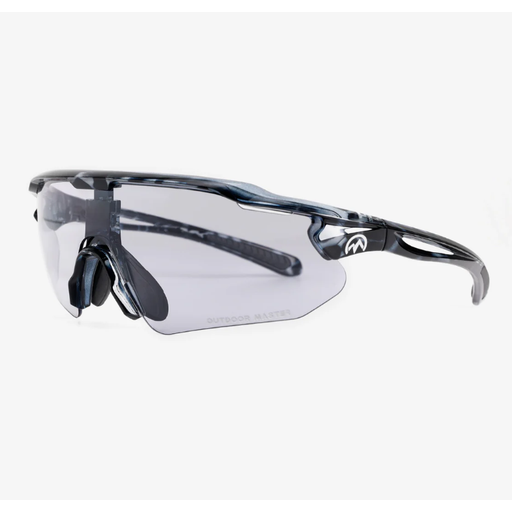
Why this product suits this profile: For cyclists facing changing light conditions, this model combines photochromic and polarised features, according to the product description. It also lists an inner frame for prescription lenses.
Details including its 26 to 29 g weight, UV400 protection, adjustable nose pads and supplied inner frame make it easier to compare for frequent use.
A combination of photochromic and polarised technology, with an adjustable fit.
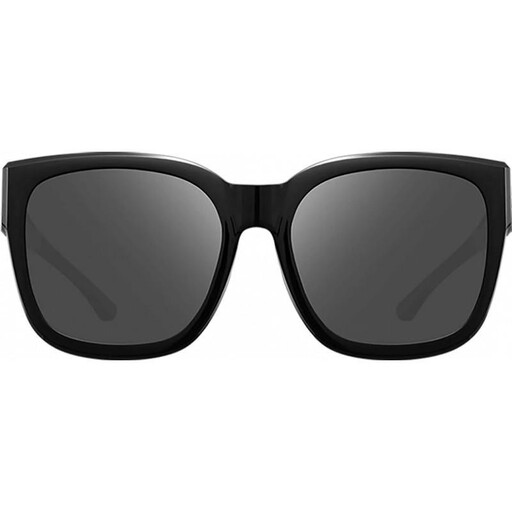
Why this product suits this profile: According to the product description, this design is made to be worn over prescription glasses. It’s aimed at people who don’t need separate sports sunglasses with prescription lenses.
The fit-over design allows for the extra width of your glasses. Even so, check the frame dimensions and clearance from the lenses before buying.
Polarised lenses and a design made to be worn over prescription glasses.
We’ve put together a complete, regularly updated list of products that meet these strict selection criteria and fully comply with the safety regulations in force in the EU.
First, rinse your sports sunglasses with water before removing dust with a soft microfibre cloth. Dry particles can scratch the surface. Harsh cleaning products or alcohol can damage coatings. Keep your sunglasses in a case and avoid placing them lens-side down.
Replace the lenses if you notice scratches, cracks or peeling coatings. Damaged lenses can affect your vision and the level of protection. Arms that have lost their elasticity or a fit that remains loose are also signs that it may be time for a new pair of cycling glasses.
For road cycling and mountain biking, key considerations include a wide field of vision, a secure fit, UV400 protection and a low weight. Photochromic sunglasses can be a good choice if the light changes frequently. For strong reflections from tarmac or water, consider a polarised pair.
Their lifespan depends on how often you use them, how well you care for them and whether they get damaged. There’s no reliable way to give a set timeframe. Regular cleaning with water and a soft cloth, storing them in a case and replacing scratched lenses can help them last longer.
Yes. Options include fit-over glasses for glasses wearers, a model with an inner frame for prescription lenses, or custom-made sports glasses. The key is to have enough room inside, compatible dimensions and a comfortable fit that doesn’t press on your existing glasses.