
Lieferung heute & morgen

Qualitätsgarantie

Willkommens-Angebote freischalten: KOSTENLOSE Lieferung | Bis zu 80 % RABATT | Kostenlose 30-Tage-JoyPlus-Testphase
App herunterladen
Sports sunglasses should do more than simply dim sunlight. Whether you’re cycling, walking or driving, a secure fit, adequate UV protection and clear vision all matter. Models also vary considerably in lens material, tint, weight and intended use.
If you choose a pair based only on dark lenses or eye-catching design, you may overlook important details. Three common buying mistakes are worth watching out for:
If you spend long periods outdoors, choose sunglasses with clearly stated UV protection. According to the product information, UV400 sunglasses filter out UV radiation with wavelengths of up to 400 nanometres. Also look for clear product labelling and check the manufacturer’s information.
UV protection alone does not tell you how much visible light passes through the lenses. Darker lenses may be suitable for bright sunshine. If you regularly move between sun and shade, however, a lighter tint or photochromic sports sunglasses may be more practical. Photochromic lenses adjust their tint according to light levels. Drivers should note that this adjustment may be limited behind a windscreen, as windscreens block some UV radiation.
Polarised sunglasses reduce reflected light from surfaces such as wet roads, water or metal. This can make it easier to see contrast when cycling and taking part in outdoor activities. However, this does not mean they automatically protect you from every source of glare.
When choosing sunglasses with glare protection, consider the following:
Photochromic lenses may be a better choice for changing light conditions than permanently dark lenses. For bright, open routes, darker polarised cycling sunglasses are a sensible option.
Even a few grams can make a noticeable difference when you wear sunglasses for long periods. Lightweight sunglasses weighing around 26 to 33 grams can reduce pressure on your nose and ears on longer rides. The frame shape and how easily it can be adjusted also affect comfort.
TR90 is a thermoplastic frame material associated with flexibility and low weight in the models featured here. It’s still important to check for:
Cycling sunglasses should not unnecessarily restrict your field of vision. For sports use, durable PC or TAC lenses and a suitable impact-resistance rating are also important. However, sports sunglasses are not a substitute for safety glasses specifically rated for work involving a high risk of impact.
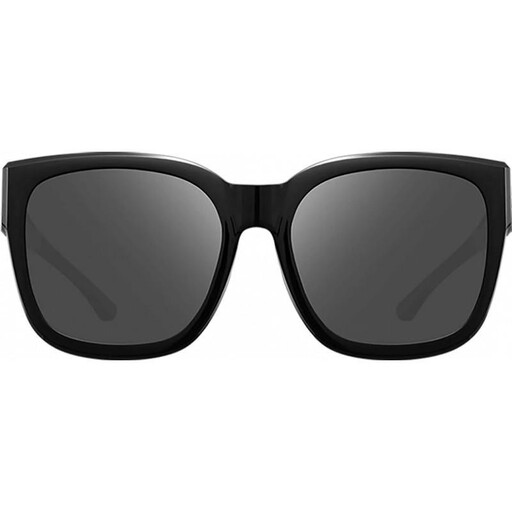
Why this product suits this profile: The fitover design is made for people who wear prescription glasses. Its polarised lenses are suited to everyday outings, trips and light outdoor activities.
Wearing these over your prescription glasses reduces the risk of buying a separate pair of sunglasses with the wrong prescription. Check the size and compatibility details before you buy.
Polarised lenses, a plastic frame and a design made to fit over your existing glasses.
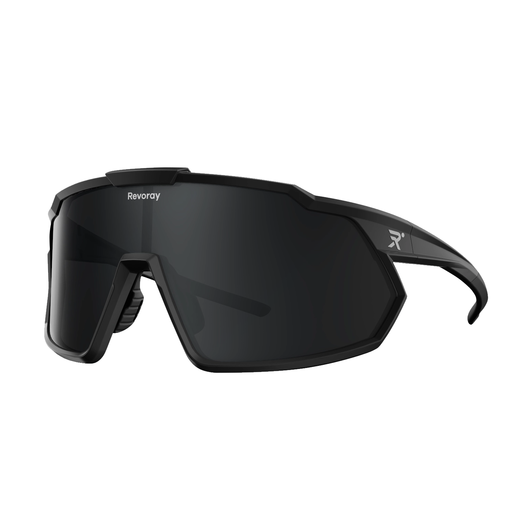
Why this product suits this profile: According to the product information, these cycling sunglasses combine TAC polarised lenses with a TR90 frame and weigh around 33 grams.
The stated visible light transmission of around 15.2 per cent helps you assess the tint. The product information also lists adjustable nose pads and water- and oil-repellent coatings.
UV400 rating, ANSI Z87.1 performance standard according to the product description, and an adjustable, non-slip fit.
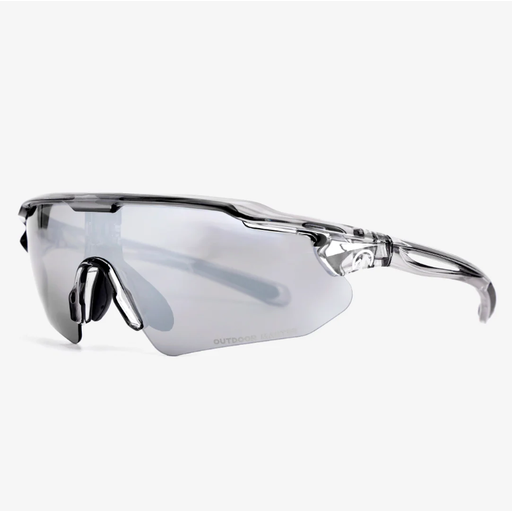
Why this product suits this profile: For cyclists riding in changing light, this model combines photochromic and polarised properties with adjustable nose pads, according to the product information.
The variable tint helps avoid the drawback of permanently dark lenses. If you’re driving, bear in mind that photochromic lenses may react less strongly behind the windscreen.
TR90 frame, polycarbonate lenses, stated weights of around 26 to 29 grams, and an included insert for prescription lenses.
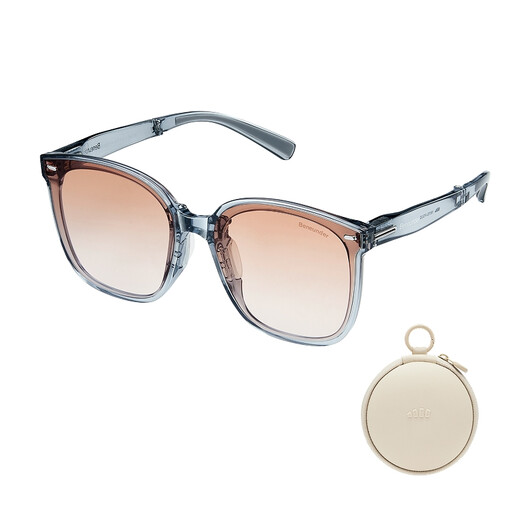
Why this product suits this profile: According to the product description, these foldable sunglasses are designed to take up little space when travelling and weigh around 26 grams. They’ll fit in your luggage or a smaller bag.
According to the product information, the triple-fold design reduces the packed size to around 35 millimetres. If you’re driving, check beforehand that the tint gives you adequate visibility in changing light conditions.
TR90 frame, nylon lenses with a UV400 rating and OAR coating, according to the product information.
We’ve put together a complete, regularly updated list of products that meet these strict selection criteria and fully comply with the safety regulations in force in the EU.
How long your sunglasses last depends largely on how you use, store and care for them, as well as the coating. First rinse the lenses with water, then dry them with a soft microfibre cloth. Rubbing dry dust particles against the lenses can scratch them. Alcohol, harsh cleaning products and rough paper towels can damage the coatings.
Keep your sunglasses in a sturdy case and avoid placing them lens-side down. If you notice scratches, loose arms or damaged lenses, stop using the sunglasses for sports. A spare pair can be useful on longer trips or regular cycling tours.
For cycling, look for a secure fit, a sufficiently wide field of vision, UV protection and non-slip features. Polarised cycling sunglasses can reduce reflections from roads. If you often ride in changing light, photochromic sports sunglasses are worth considering.
UV400 describes the level of UV protection; it does not automatically mean the sunglasses are suitable for every driving situation. Check the tint, visibility at dusk and compatibility with displays in your vehicle. Photochromic lenses may not darken as much behind the windscreen.
There’s no single answer. Regular cleaning, storing them in a case and handling them with care can help them last longer. The condition of the lenses, how well the arms work and whether the coatings are intact are all important factors.