
Lieferung heute & morgen

Qualitätsgarantie

Willkommens-Angebote freischalten: KOSTENLOSE Lieferung | Bis zu 80 % RABATT | Kostenlose 30-Tage-JoyPlus-Testphase
App herunterladen
Sports sunglasses need to do more than simply darken the light. When you’re cycling, mountain biking or running, wind, changing light conditions, sweat and dust can all affect your eyes. At the same time, your glasses should stay put, give you a clear, wide field of vision and suit the activity you have in mind.
Many disappointing purchases come down to three common marketing traps:
UV400 sunglasses are a sensible basic choice for spending long periods outdoors. Look for clear information from the supplier about the level of UV protection. Sports models may also feature different lens technologies:
Visible light transmission, or VLT, can help you judge how dark a lens is. A VLT rating of around 15 to 18 per cent indicates a darker lens for bright conditions. It won’t necessarily suit every kind of weather.
TR90 is commonly used to make TR90 sunglasses. This thermoplastic material is lightweight and flexible. According to the manufacturers, the models featured here weigh approximately 25.5 to 33 grams. For longer rides, lightweight sunglasses can reduce pressure on your nose and ears.
Lenses are often made from polycarbonate or TAC. Several models list polycarbonate as an impact-resistant material. However, sports sunglasses should not be considered equivalent to certified protective eyewear for work involving high-speed flying particles. Replace lenses that are damaged or heavily scratched.
Also look for specific information about standards and markings. For example, the Revoray Y1 model is listed as having been tested to ANSI Z87.1. Other products display CE markings and additional information from the manufacturer. A marking should not be taken as a blanket guarantee against every kind of impact.
Good cycling glasses should not press against your cheeks or slip when you look down. Adjustable nose pads and non-slip arms can help you get a more secure fit. If you have a larger face, frame width, arm length and a “Medium–Large” size may be useful details to check.
A wide, single lens gives you a broad field of vision, which can help you keep an eye on your surroundings when mountain biking. Vented lenses can help reduce fogging, but they’re no substitute for a good fit and regular cleaning.
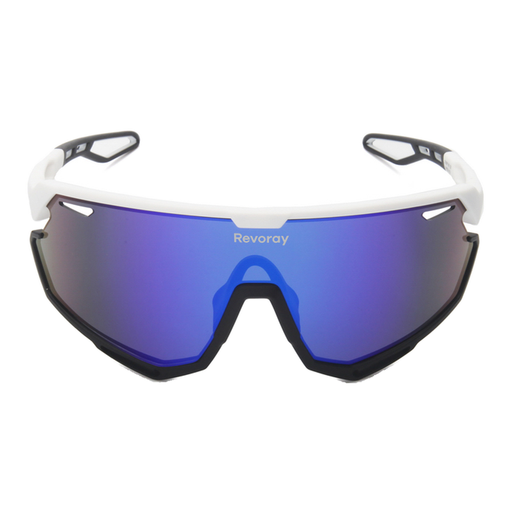
Why it suits this profile: These cycling glasses combine a single-piece PC lens with a UV400 rating and a lightweight TR90 frame weighing around 30 g. They’re suited to road cycling, mountain biking and a range of outdoor activities.
The product description gives details about the material, weight, lens construction and fit, rather than relying on vague performance claims.
Single-piece PC lens, TR90 frame, non-slip details and an aerodynamic design.
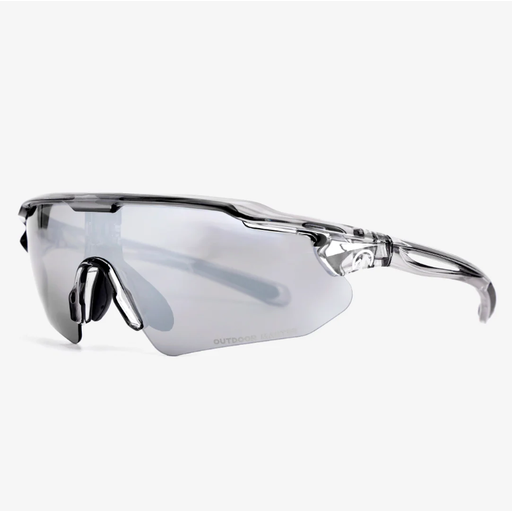
Why it suits this profile: According to the manufacturer, this model combines photochromic and polarised PC lenses with an adjustable nose bridge. It weighs around 26 to 29 g.
The tint adjustment and UV400 rating are clearly specified. If you’re driving, bear in mind that the photochromic adjustment may be limited.
Adjustable nose pads, a case, cleaning accessories and a separate glasses holder for prescription lenses.
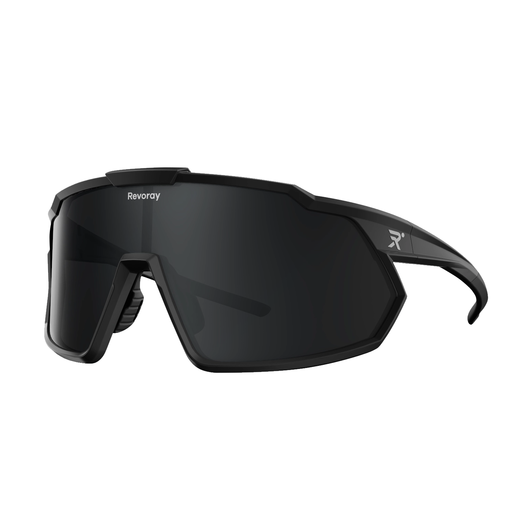
Why it suits this profile: For regular rides on roads and woodland paths, or in bright weather, this model offers TAC polarised lenses, around 15.2 per cent VLT and an adjustable nose pad, according to the product information.
The light transmission is clearly stated, making it easier to see that these lenses are designed mainly for bright conditions.
TAC polarised lens, water- and oil-repellent coating, scratch-resistant layer and stated ANSI Z87.1 performance testing.
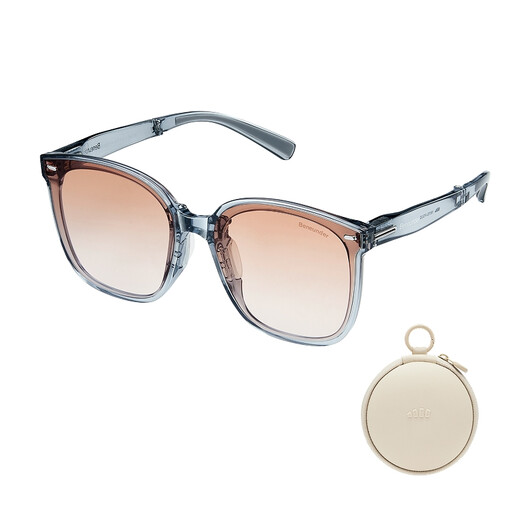
Why it suits this profile: According to the manufacturer, these foldable sunglasses weigh 26 g and fold down to a compact thickness of 35 mm. They’re a handy choice for travelling, commuting and everyday use.
The compact dimensions and weight are clearly listed. Fold the frame carefully and store it in its case.
TR90 frame, nylon lenses with a UV400 rating, anti-reflective coating and a foldable three-part design.
We’ve put together a complete, regularly updated list of products that meet these strict selection criteria and the safety requirements in force across the EU.
Rinse dirty lenses with water before cleaning them with a soft microfibre cloth. Rubbing dry dust particles across the surface can cause scratches. Alcohol, harsh cleaning products and rough cloths can damage lens coatings. Store your sunglasses in a case and keep them away from high temperatures, heavy pressure and sharp objects.
There’s no set lifespan that applies to every pair. It depends on use, care, UV exposure, hinges and coatings. Replace your sports sunglasses if the lenses are deeply scratched, the arms are loose or there’s visible damage.
When choosing cycling sunglasses, look for a sturdy, lightweight frame, non-slip nose pads, a good field of vision and UV400 protection. Photochromic cycling glasses can be useful in changeable light, while polarised lenses may suit very bright roads or reflective water.
Yes, as long as the tint, field of vision and fit are suitable for driving. Dark lenses can be impractical in tunnels or in poor weather. With photochromic models, bear in mind that the lenses may not darken as much behind a windscreen.
The price depends on lens technology, coatings, spare lenses, fit and material. Compare more than just the purchase price: check what’s included and which features are clearly specified. A detailed description of the product’s features is more useful when choosing than a vague performance claim.