
Lieferung heute & morgen

Qualitätsgarantie

Willkommens-Angebote freischalten: KOSTENLOSE Lieferung | Bis zu 80 % RABATT | Kostenlose 30-Tage-JoyPlus-Testphase
App herunterladen
Sports sunglasses with interchangeable lenses can be useful for cycling, running, golf, fishing or sailing. They let you adapt the tint to the weather and activity without carrying several complete pairs of sunglasses. However, attention-grabbing claims such as “HD”, “polarised” or “all-weather” don’t automatically mean you’re making the right choice.
What matters are clear details about UV protection, visible light transmission, fit, lens changes and intended use. Check these points before buying to avoid common mistakes.
According to the product information, the label UV400 protection indicates that UV radiation up to a wavelength of 400 nanometres is blocked. On its own, however, it doesn’t tell you whether the sunglasses fit well, provide enough coverage at the sides or are suitable for every sport. So also check the frame shape, how the sunglasses sit on your nose and ears, and the manufacturer’s guidance on use.
Polarised sports sunglasses can reduce distracting reflections from water, roads and bright surfaces. This can be useful for anglers, sailors and drivers. However, polarised lenses may affect how easy it is to read some displays and instruments, or alter what you see from certain angles. If you often move between bright outdoor spaces and darker interiors, consider the visible light transmission and what you’ll be using the sunglasses for.
A lens-changing mechanism needs to be sturdy enough for regular use while still allowing you to handle the lenses carefully. Touching the viewing surface with your fingers or carrying lenses without a case can cause scratches. So check whether a microfibre cloth, protective case and replacement lenses are included. If you’re buying replacement lenses separately, it’s also important to make sure they’re compatible with your existing frame model.
For outdoor use, the product description should clearly state the level of UV protection. The models featured here specify UV400 protection. This information should appear on the product page itself, not just in a general category heading. Sunglasses are not a substitute for suitable protective equipment when working in conditions involving particular impact or light hazards.
VLT stands for “Visible Light Transmission” and describes how much visible light passes through the lens. A lower value means a darker tint, while a higher value lets more light through.
The BleeqUp lenses are described as having a range of 18–43% in the activated state and 43–80% in the non-activated state. How they adjust in practice may depend on light intensity, temperature and the situation in which they’re used.
TR90 sports sunglasses use a lightweight thermoplastic frame. The OutdoorMaster Hawk models are described as having a shape-retaining frame with memory properties. This can help keep the weight down on longer rides or runs, but it doesn’t replace checking that the fit is right for you.
For lenses, details such as scratch-resistant lenses, water repellency and impact resistance are worth considering. These coatings won’t prevent every kind of damage. Clean the surface with water and a clean microfibre cloth rather than rubbing dry dust particles across the lens.
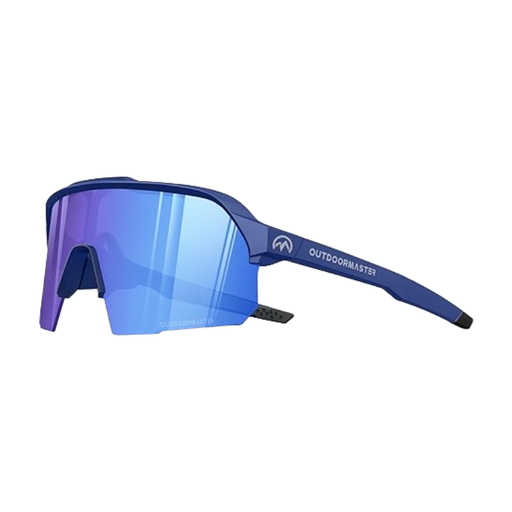
Why this product suits this profile: This model combines a TR90 frame with a polarised lens and a clear interchangeable lens for different light conditions. It’s a versatile option for anyone looking for cycling or outdoor sunglasses to use for several activities.
The product description specifies UV400 protection, a VLT value of around 17–18% and a clear replacement lens included in the box. This makes the key filter details easy to check.
TR90 frame, polarised lens, clear interchangeable lens, plus a case and microfibre cloth according to the listed contents.
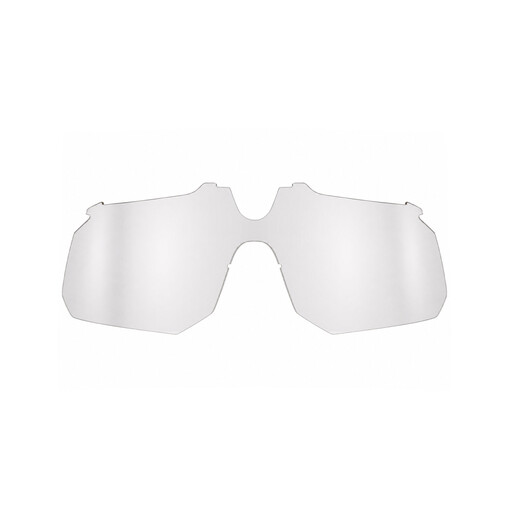
Why this product suits this profile: These photochromic interchangeable lenses are designed for cyclists, commuters and outdoor enthusiasts who often move between sun, shade and overcast skies. Before buying, check that they’re compatible with your existing Ranger frame.
The description gives specific VLT ranges rather than simply claiming the lenses are “all-weather”. It also specifies UV400 protection, scratch resistance and water repellency.
Automatic tint adjustment with stated visible light transmission ranges and a quick-change function.
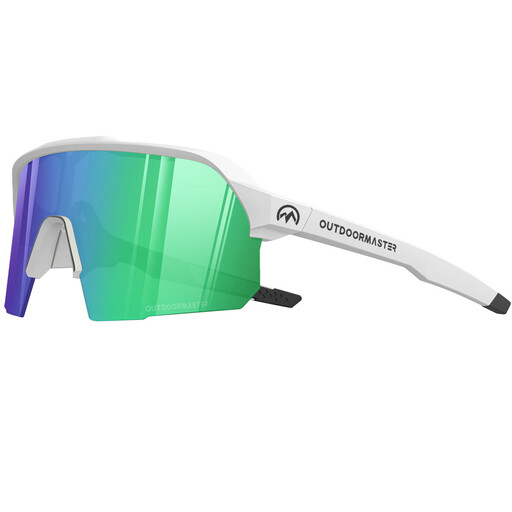
Why this product suits this profile: This model is designed for activities such as fishing, golf, sailing, cycling and driving. Its bronze-tinted, colour-enhancing lens and clear replacement lens make it suitable for different situations.
The product details specify a VLT value of 12%, UV400 protection, an interchangeable lens and guidance on careful cleaning. This helps you assess the tint and care requirements before buying.
Stated TR90 frame, impact-resistant HD lenses, 12% VLT and a clear replacement lens included.
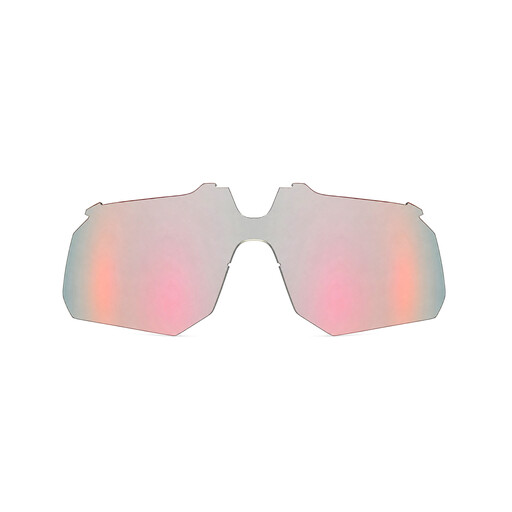
Why this product suits this profile: These replacement lenses may suit anyone who already uses a compatible Ranger system and wants to adjust the tint as the day goes on. The red and black version also offers a choice to suit personal preference.
The specific VLT ranges of 18–43% and 43–80% help you assess the lenses. You’ll still need to check that they fit your frame before buying.
Photochromic adjustment, stated UV400 protection, and a scratch-resistant, water-repellent coating according to the product description.
We’ve put together a comprehensive, regularly updated list of products that meet these strict selection criteria and fully comply with the safety regulations in force in the EU.
Lifespan depends more on care and use than on any single marketing claim. Handle interchangeable lenses only by the edges and fit them carefully. Keep your sunglasses and replacement lenses in their case. If you notice scratches, cracks, loose arms or an insecure fit, it’s a good idea to replace them. If you’re using sunglasses for changing light conditions, it’s also worth fitting the right tint before each outing and taking the clean clear lens with you.
It depends on how the tint changes, the visible light transmission and your vehicle’s surroundings. Check the product details, and bear in mind that lenses may react differently behind a car windscreen than in direct sunlight. When driving, your vision should remain bright enough and undistorted at all times.
There’s no set timeframe. Change the lenses to suit the light conditions and activity. Replace any damaged or heavily scratched lens, whatever its age. For replacement lenses, compatibility with the frame model is essential.
For fishing, polarised lenses, UV400 protection and a secure fit can be useful. Polarised filters can reduce reflections on the water’s surface. Also check that the tint feels comfortable when you’re spending long periods in direct sunlight, and that the sunglasses sit securely with a hat or other headwear.