
Lieferung heute & morgen

Qualitätsgarantie

Willkommens-Angebote freischalten: KOSTENLOSE Lieferung | Bis zu 80 % RABATT | Kostenlose 30-Tage-JoyPlus-Testphase
App herunterladen
If you’re looking to buy sports nutrition supplements, you’ll quickly find a wide choice of whey protein, protein powder, protein bars, creatine monohydrate and electrolytes. But price alone tells you little about how practical a product will be in everyday use. What matters is clear nutritional information, a suitable format, and straightforward details about allergens and recommended intake.
One product might advertise “27 g of protein per serving”, while another gives the figure per 100 g of powder. The serving information might also refer to a shake made with milk. This can make the figures difficult to compare.
So check:
Terms such as “premium blend”, “fast absorption” and “high performance” tell you little without specific nutritional and ingredient information. For whey protein, it should be clear whether the product uses whey concentrate, whey isolate or a blend. For creatine, the term “creatine monohydrate” is more useful than a prominent flavour description.
Sweeteners, thickeners and flavourings may also matter when choosing a product. If you’re sensitive to milk or soya, check the allergen information before buying.
Powder is usually easy to adjust to your preferred serving size, but you’ll need water, a shaker and a little time. Tablets and creatine gummies are more convenient when you’re out and about, but may contain extra ingredients such as sugar, sweeteners or coating agents. Protein bars make an easy, protein-rich snack, but can vary considerably in protein, sugar alcohol and calorie content.
When choosing whey protein, it’s worth checking the protein source and content. A powder containing 70 to 80 g of protein per 100 g can be a practical addition for many people who exercise. Your actual needs depend on your diet, body weight, training volume and personal goals. Protein powder is not a substitute for a varied diet.
Also check:
The difference between a 300 g pouch and a bulk container weighing several kilograms affects storage, as well as the risk of the product losing quality before you use it.
For creatine products, the amount of creatine per daily serving should be clearly stated. In the product information provided, several options supply 3 g of creatine per serving. The formats vary:
Adults should follow the relevant manufacturer’s instructions. Do not exceed the recommended daily amount. If you have a medical condition, take medication, are pregnant or breastfeeding, it’s a good idea to speak to a doctor before use.
Depending on the product, electrolyte powder contains sodium, potassium, magnesium and chloride. Check the amount per sachet and the recommended volume of water. For sanotact Electrolytes Plus, one sachet is dissolved in 250 ml of water; the product information recommends two sachets a day. This gives you clear guidance on how to prepare it.
With protein bars, don’t focus on protein content alone. These are just as important:
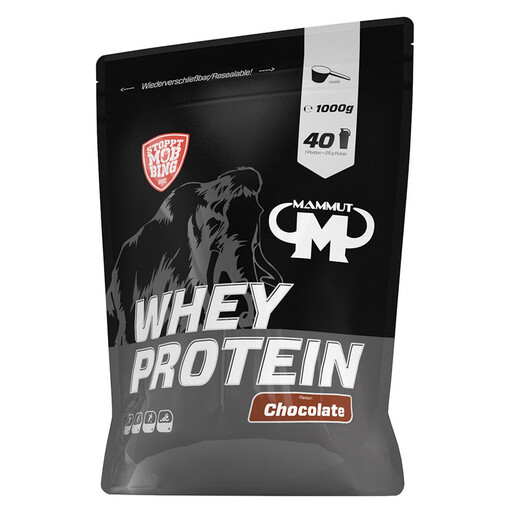
Why this product suits this profile: The 1000 g pack offers an accessible introduction to whey protein. According to the product information, a 25 g serving provides 27 g of protein when mixed with 300 ml of semi-skimmed milk.
The serving size and preparation method are clearly specified. This makes it easier to distinguish the protein content from figures given per 100 g.
Whey protein concentrate, a measuring scoop and 27 g of protein per serving, according to the product description.
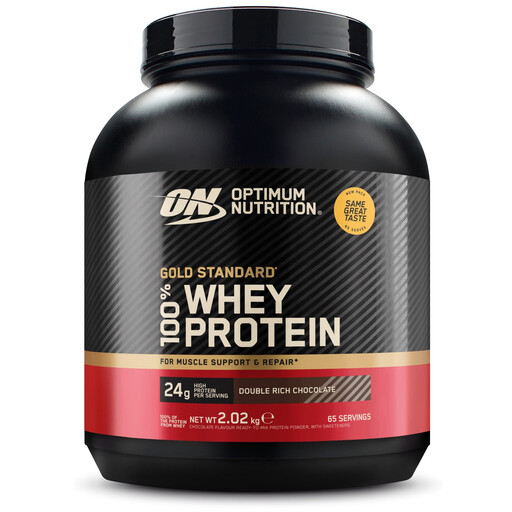
Why this product suits this profile: The product information lists 24 g of protein per 30 g serving and a blend of whey isolate, whey concentrate and hydrolysed whey isolate.
Nutritional values are given per 100 g and per serving. Milk and soya are also listed as allergens.
A 98% whey protein blend according to the ingredients list, with 24 g of protein per 30 g serving.
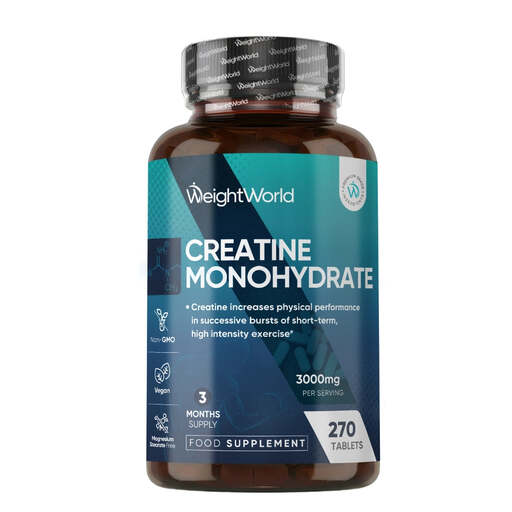
Why this product suits this profile: The tablet format is ideal if you want to take creatine without a shaker or the flavourings used in powders.
The daily serving is clearly stated as three tablets, providing 3000 mg of creatine monohydrate. According to the product information, the pack contains 270 tablets.
Unflavoured tablets, which the product information states are free from gluten, milk and soya.
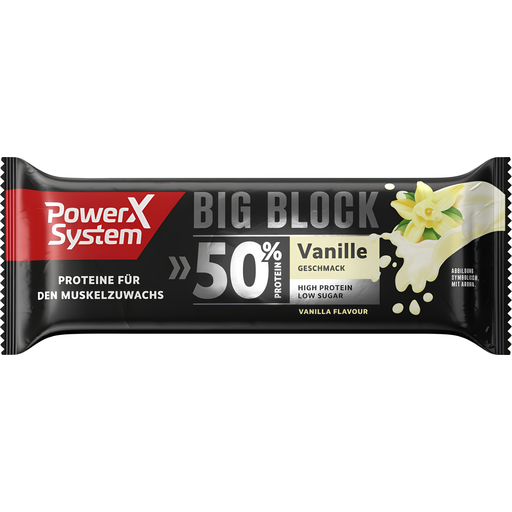
Why this product suits this profile: Individually wrapped, this bar makes a convenient protein-rich snack for the office, when travelling or after a workout, with no preparation needed.
The bar lists its protein content as 50 g per 100 g. It also contains 22 g of carbohydrates and 11 g of fat per 100 g.
50% protein according to the product information, in a ready-to-eat 100 g serving. Contains milk and soya; possible traces of other allergens are also listed.
We’ve put together a complete, regularly updated list of products that meet these strict selection criteria and fully comply with the safety regulations in force in the EU.
Check the best-before date and the instructions on the packaging. Many products should be used within a specified period after opening. Store protein powder in a cool, dry place, tightly sealed and away from light, at the room temperature stated on the packaging. Moisture can affect its texture and how well it mixes.
Whey protein is made from milk ingredients, so it isn’t automatically suitable if you have a milk or lactose intolerance. The exact recipe varies from product to product. Read the ingredients list and allergen information. If you have an existing medical condition or are unsure about what’s right for your diet, it may be worth seeking advice from a doctor or nutrition professional.
To work out the cost per serving, divide the purchase price by the number of servings. Don’t compare pack sizes alone: check the grams per serving and the protein or creatine content too. Protein bars and gummies contain additional ingredients that can affect the price. Buying in bulk is only cost-effective if you can use the product within its stated storage and use-by period.