
Lieferung heute & morgen

Qualitätsgarantie

Willkommens-Angebote freischalten: KOSTENLOSE Lieferung | Bis zu 80 % RABATT | Kostenlose 30-Tage-JoyPlus-Testphase
App herunterladen
A sprayer can be used around the home, for bike maintenance, on glass surfaces, in your skincare routine or when decorating. However, the requirements vary significantly. A fine facial mist needs different features to an electric paint sprayer, while a cleaning spray for your bike and e-bike should be compatible with the materials it comes into contact with.
If you only focus on tank size or motor power, you can easily overlook important details. Three typical buying pitfalls are:
Your choice should therefore be based on the specific use, the spray pattern and material compatibility.
Before you buy, the first question is what you'll be spraying. A spray bottle for glass cleaner isn't automatically suitable for paint. Similarly, an e-bike cleaner shouldn't come into contact with brakes, tyres or other safety-critical components.
The following information is important for making your choice:
A refillable spray bottle is practical if the container is compatible with your chosen concentrate. Cleaning products should not be mixed together unless the manufacturer says it's safe.
The capacity affects weight, reach and handling. For windows or individual bike cleans, 500 ml is often sufficient. For longer painting jobs, a larger tank reduces interruptions but increases the overall weight.
As a practical guide:
A wide tank opening is also important. It makes filling and cleaning much easier. With concentrated cleaners, you must follow the mixing ratios specified by the manufacturer.
A cordless sprayer offers freedom of movement, but requires a charged battery and a clear indication of the run time. Corded models provide a constant power supply, but need a suitable socket and safe management of the cable.
With an electric paint sprayer, these parameters are particularly relevant:
When spraying paint or solvent-based products, you must wear safety goggles, suitable respiratory protection, gloves and ensure good ventilation. Before the actual application, it's advisable to do a test spray on a scrap area.
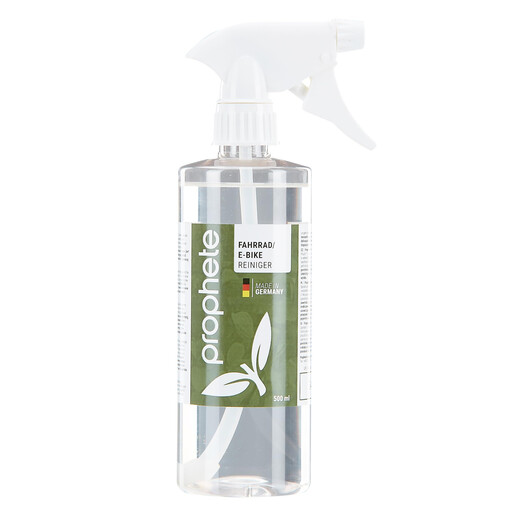
Why this product fits the profile: The ready-to-use spray solution is designed for regular cleaning of bikes and e-bikes and doesn't require you to mix up a separate concentrate.
The application is clearly targeted at bike and e-bike surfaces made from aluminium, carbon and steel. Brakes, tyres and safety-critical components must be avoided.
500 ml spray bottle, reportedly biodegradable formulation and intended use on multiple bike surfaces.
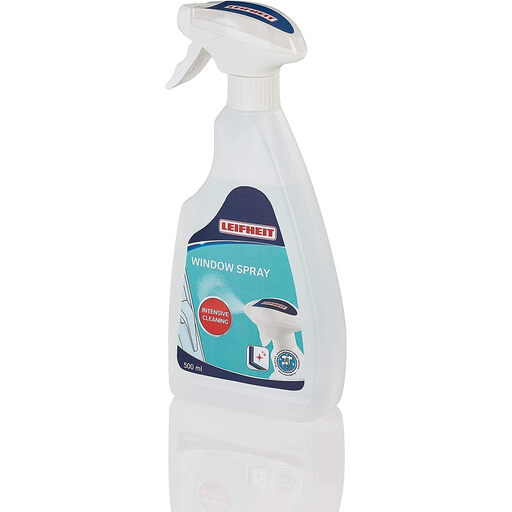
Why this product fits the profile: For windows, mirrors and other glass surfaces, the focus is on a defined process of spraying, spreading and wiping off.
According to the product description, the refillable spray bottle can be filled up to 100 times with diluted Leifheit glass cleaner concentrate. Other cleaning products should not be mixed in.
500 ml capacity, pressure sprayer design and intended combination with a window vac or squeegee.
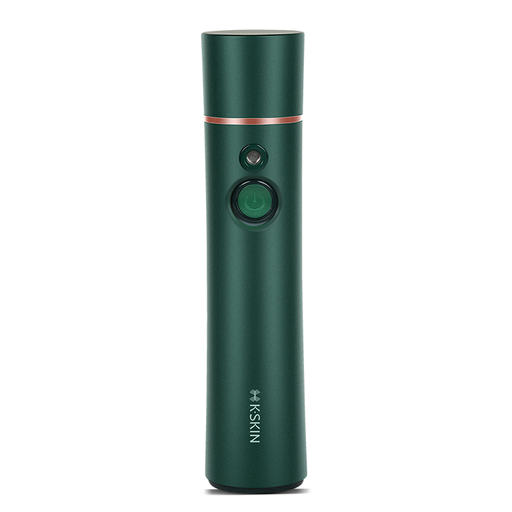
Why this product fits the profile: The portable device is designed for the fine atomisation of suitable cosmetic liquids for daily skincare.
Its intended use is clearly separate from cleaning and painting devices. According to the technical specifications, the tank holds 20 ml; the product name states 200ML. You should check the current retailer information before buying.
Approximately 175 g weight, 20 ml tank according to the specification and a 7.4 V lithium polymer battery. Only use with suitable cosmetic liquids.
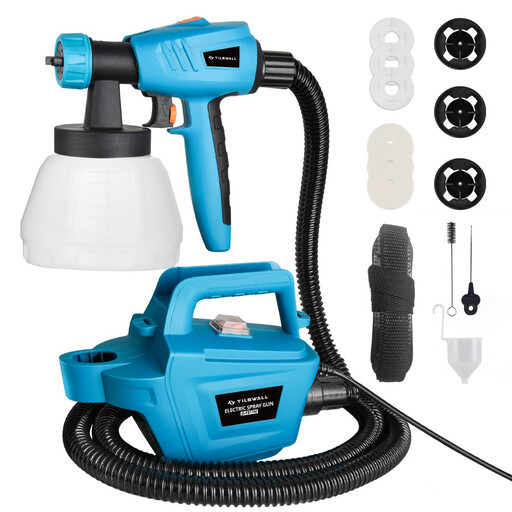
Why this product fits the profile: For furniture, fences, walls and other decorating jobs, this electric paint sprayer offers several adjustable options.
Three nozzles at 1.0, 1.8 and 2.6 mm, plus three spray patterns, allow you to adapt to the material and surface. The tank is removable and accessible for cleaning.
800 W power, 1,300 ml container, 2.5 m air hose and adjustable flow rate up to 1,100 ml/min according to the product specifications.
After each use, you should clean the sprayer according to the product you've been using. With paints, water may not be suitable; the cleaning agent specified by the material manufacturer is what matters. Nozzles and seals should be checked regularly for residue.
With cleaning and cosmetic devices, costs usually involve the liquid, refill concentrate or filters. For cordless models, you also need to factor in charging time and possibly replacement batteries. A device with a larger tank isn't automatically cheaper if it means you end up using more liquid than you need.
We've put together a complete, regularly updated list of products that fully meet these strict selection criteria and the safety regulations in force in the EU.
For windows and mirrors, a 500 ml spray bottle with a suitable glass cleaner is sufficient. What matters is an even spray pattern, a refillable design and the ability to remove the liquid afterwards with a cloth, squeegee or window vac.
The run time depends on the battery capacity, spray mode, motor power and the material being used. Because manufacturer specifications aren't always produced under identical conditions, you should treat the stated operating time as a guide. A second battery can reduce interruptions during longer jobs.
No. The viscosity, nozzle size and thinning must all be compatible. Check the manufacturer's information for both the paint and the device, clean the system immediately after use, and test the spray pattern first on an inconspicuous scrap area.