
Lieferung heute & morgen

Qualitätsgarantie

Willkommens-Angebote freischalten: KOSTENLOSE Lieferung | Bis zu 80 % RABATT | Kostenlose 30-Tage-JoyPlus-Testphase
App herunterladen
A good springform pan is the foundation for countless successful cakes, from light sponge bases to creamy cheesecakes. However, the market is flooded with models whose quality claims often don't hold up in practice. A leaky base, a coating that wears out quickly, or a jamming latch can not only ruin your baking but also lead to frustration in the kitchen.
As your Joybuy Product Recommendation Officer, I'll help you identify the common pitfalls of purchasing and make an informed decision. This guide focuses on the objective features that define a reliable cake pan, ensuring your next cake is not only a success but also effortless to release.
Before choosing a model, it's helpful to know the most common flaws that often only become apparent after purchase.
To avoid a bad purchase, you should focus on three core technical features that determine the durability and functionality of a springform pan.
The material affects not only heat conduction and thus the baking result, but also the pan's stability and seal.
A high-quality coating not only makes releasing the cake easier but also simplifies cleaning.
The shape—whether a round baking pan or a rectangular springform pan—and size are crucial for the recipe. The most common sizes are the 26cm springform pan and the 28cm springform pan. Regardless of the shape, the latch is critical for handling. A well-designed latch, like the "SafeClick" mechanism on some WMF models, offers a larger grip surface and an ergonomic lever that makes opening and closing effortless and ensures a tight seal.
Here are some recommendations tailored to different needs and baking habits.
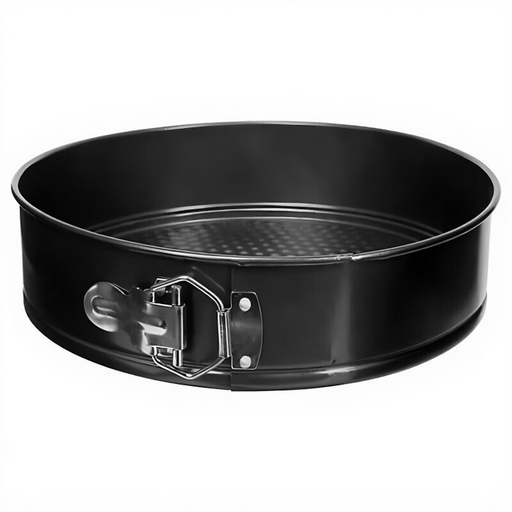
Why This Fits Their Persona: Ideal for home bakers who need a reliable, standard cake pan for occasional baking projects. The 26 cm size is a classic and suitable for most common recipes. A functional tool without unnecessary frills.
Focuses on the basics: a solid steel body and a standard latch designed for batter and sponge cakes. The non-stick coating is designed for occasional use.
Standard Size: With a 26 cm diameter, it's suitable for a wide variety of recipes. Even Heat Distribution: The steel construction ensures a uniform bake.

Why This Fits Their Persona: For ambitious bakers who bake regularly and value durability, a leak-proof seal, and perfect results. The 28cm springform pan also offers capacity for larger cakes and tortes.
Addresses all three core problems: The enamel-coated, cut-resistant base and the precise SafeClick latch ensure a highly leak-proof seal. The KAIRAMIC non-stick coating is designed for durability and abrasion resistance.
Cut-Resistant Enamel Base: Allows you to cut the cake directly in the pan. SafeClick Latch: Ergonomic and secure to handle. Leak-Proof: Reliable even with runny batters.
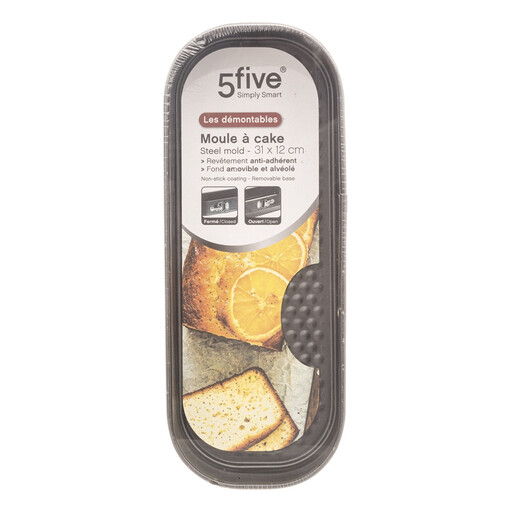
Why This Fits Their Persona: Perfect for bakers who think beyond the classic round pan. This rectangular springform pan is excellent for loaf cakes, brownies, small sheet cakes, or multi-layered desserts with a modern shape.
The removable base, combined with the secure latch, allows for easy release of delicate baked goods without damaging their structure—a common problem with fixed loaf pans.
Versatile Shape: Ideal for desserts that require a rectangular presentation. Easy Release: The springform mechanism prevents the need to invert the pan, avoiding potential damage to the cake.
We have compiled a complete, up-to-date list of products that fully meet these strict selection criteria and safety regulations.
Most manufacturers recommend hand washing, even if the base is sometimes declared dishwasher-safe. Use warm water, a mild dish soap, and a soft cloth or sponge. Avoid abrasive cleaners or steel wool, as these will permanently damage the coating. Dry the pan thoroughly after cleaning to prevent rust from forming on the latch or any uncoated edges.
A higher price often correlates with better material quality and thoughtful design details. Features like an enamel-coated, cut-resistant base, a ceramic-reinforced non-stick coating, or an ergonomic SafeClick latch offer tangible added value in handling and durability. For those who bake frequently and have high standards, the investment can pay off through more reliable baking results and a longer lifespan for the pan.
For a quick fix with runny batters, you can tightly wrap the outside of the closed pan with two layers of aluminum foil before filling it. This will catch most of the leaking batter and prevent it from dripping onto the oven floor. However, this is not an ideal long-term solution, as it complicates the cleaning process and can affect heat circulation around the edge of the pan. It underscores the need to look for a model with a proven tight seal and base when purchasing.