
Lieferung heute & morgen

Qualitätsgarantie

Willkommens-Angebote freischalten: KOSTENLOSE Lieferung | Bis zu 80 % RABATT | Kostenlose 30-Tage-JoyPlus-Testphase
App herunterladen
A high-quality springform pan is the cornerstone of many baking projects. Whether it's a rich cheesecake, a light sponge base for a g?teau, or a classic fruit tart, the right pan often determines success or failure. But the market is flooded with promises that often fall short in practice. Many home bakers invest in a new cake pan, only to find that the batter leaks, the cake sticks, or the clasp bends after just a short time. As your Joybuy Product Recommendation Officer, I'm here to help you navigate these pitfalls and make an informed decision.
Before we dive into the important features, let's highlight the three most common problems that lead to frustration in the kitchen. By understanding these, you can specifically look for products that don't have these weaknesses.
To avoid a bad purchase, you should pay attention to a few objective criteria. These define the functionality and longevity of a springform pan far more than flowery marketing copy.
The material is crucial for even browning and stability. Most springform pans are made of sheet steel, which conducts heat well. Look for a sufficient material thickness here to prevent warping.
The coating is just as important. A basic non-stick coating is standard, but there are significant differences. Higher-quality models, like those often offered by Kaiser or WMF, use more durable, ceramic-reinforced coatings. A special feature is a springform pan with a cut-resistant base. This is usually enamelled and extremely robust. You can cut the cake directly on the base without damaging the surface—a huge advantage for longevity.
A solid clasp is essential for a leak-proof springform pan. Look for a wide, sturdy latch that closes easily but with noticeable resistance. A well-designed clasp ensures that the ring applies even pressure to the base seal. Some premium models feature special mechanisms like the "SafeClick" clasp, which promises particularly secure and easy handling.
The most common sizes are the 26 cm springform pan and the 28 cm springform pan. A 26 cm pan is ideal for most standard recipes that yield 12 slices of cake. If you often bake for larger groups or prepare recipes with a lot of volume, a 28 cm model is a good choice. In addition to the classic round cake pan, there are also special shapes like a square springform pan for brownies and sheet cakes, or heart-shaped models for special occasions.
Instead of making a one-size-fits-all recommendation, we have selected products that suit different needs and user profiles.
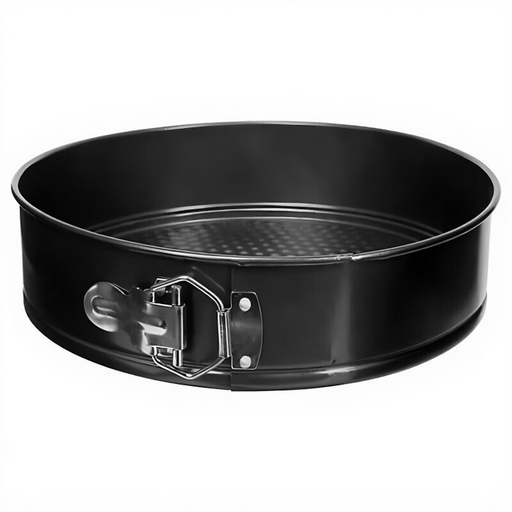
Why This Fits Their Persona: Ideal for those who bake occasionally or are just starting out. This pan offers core functionality in the most common size without breaking the bank.
The steel construction is more stable than no-name products made from the thinnest sheet metal, minimising the risk of warping. The focus is on solid, basic function.
Standard 26 cm diameter, suitable for most recipes. Excellent value for money for beginners.

Why This Fits Their Persona: For ambitious home bakers who bake regularly and value longevity, reliability, and perfect results. An investment that pays off through lasting performance.
Addresses all three core problems: The enamelled, cut-resistant base prevents scratches, the design is declared as leak-proof, and its heavy-duty quality prevents warping.
Extremely durable thanks to the cut- and scratch-resistant enamel base. The high-quality non-stick coating ensures effortless cake release.
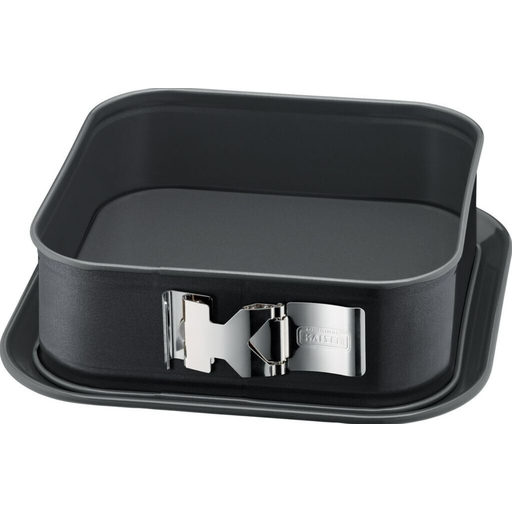
Why This Fits Their Persona: Perfect for bakers who want to think outside the round pan and create brownies, layered desserts, or savoury casseroles with clean, straight edges.
This square springform pan combines a special shape with the quality features of the La Forme Plus series. You don't have to compromise on leak protection or stability.
The square shape allows for uniform slices and is ideal for sheet cake variations. The proven non-stick coating ensures flawless release.
We've compiled a complete, up-to-date list of products that fully meet these strict selection criteria and rigorous safety standards.
Even if some bases are declared dishwasher-safe, hand washing is recommended to protect the materials. Use warm water, a mild dish soap, and a soft cloth. Avoid abrasive sponges or steel wool, as these can permanently damage the non-stick coating. Dry the pan thoroughly after cleaning, especially the closing mechanism.
A cut-resistant base, usually made of enamel, is a significant advantage if you want to cut and serve the cake directly in the pan. It prevents scratches on the delicate non-stick coating of the base, which not only impairs the non-stick property but also shortens the lifespan of the entire baking pan. This feature is highly recommended for frequently baked cheesecakes or cake bases.
The 26 cm springform pan is the all-rounder and fits most recipes from cookbooks and the internet. It yields about 12 to 16 slices of cake. A 28 cm springform pan is well-suited for larger households or if you enjoy baking opulent g?teaux. For smaller households or particularly tall, multi-layered cakes, a pan with a 20 or 24 cm diameter can also be useful. A quick look at your favourite recipes usually provides the best guidance.