
Lieferung heute & morgen

Qualitätsgarantie

Willkommens-Angebote freischalten: KOSTENLOSE Lieferung | Bis zu 80 % RABATT | Kostenlose 30-Tage-JoyPlus-Testphase
App herunterladen
A good springform pan is the cornerstone of many baking projects. However, the purchasing process is fraught with pitfalls, often only discovered when batter leaks in the oven or the cake sticks to the bottom. Marketing promises frequently mask design flaws that can quickly render an initially promising cake pan useless. As your Joybuy Product Recommendation Officer, I'll help you identify these problems and make an informed decision.
Many home bakers invest in a new baking pan only to be met with disappointment. Three problems are particularly common:
To avoid the issues mentioned above, you should pay attention to three key features before buying a cake pan. These define its longevity and functionality far more than any marketing slogan.
The material determines heat conduction and stability. Most springform pans are made of sheet steel or carbon steel.
The latch is the most critical component of a springform pan. A good mechanism closes tightly and creates noticeable pressure that presses the ring firmly around the base. Look for a lever made of solid metal instead of thin sheet metal. It should open and close easily without jamming or bending.
The standard size for most recipes in the English-speaking world is the 26 cm cake pan (approx. 10 inches). It offers sufficient volume for classic fruit tarts, cheesecakes, or cake layers. In addition to the classic round shape, there are other baking accessories that add variety:
Instead of making a one-size-fits-all recommendation, we have selected products for different user profiles.
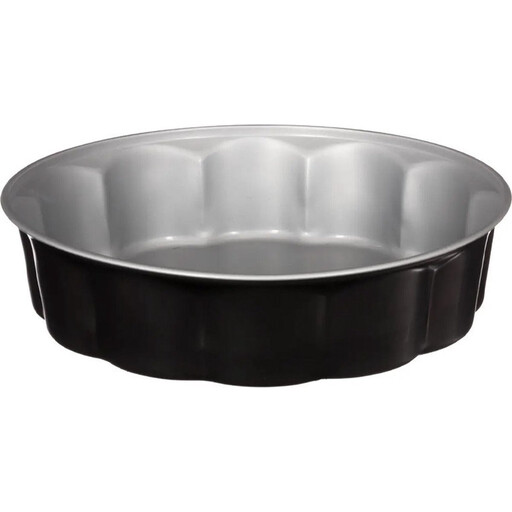
Why it's a good fit: Ideal for anyone looking for functional, essential equipment. With a 26 cm diameter, this 5five cake pan is the perfect size for most standard recipes and allows you to start baking without a major investment.
This model focuses on the core functions. It doesn't promise exaggerated features but offers a solid metal construction with a simple non-stick coating that does its job with proper care.
Standard 26 cm diameter for high recipe compatibility. Equipped with a non-stick coating for easier cake release.
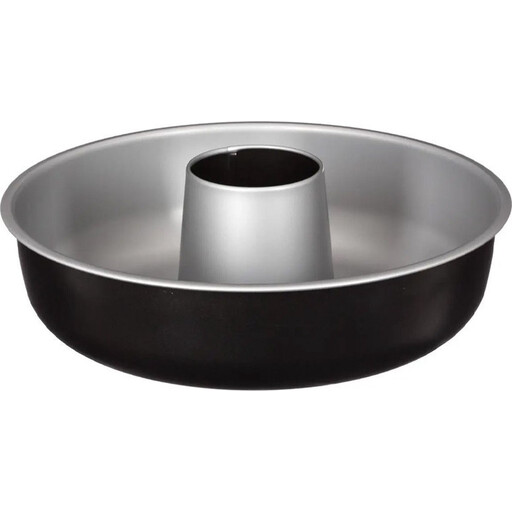
Why it's a good fit: For bakers looking to expand their repertoire and bake classic ring or Bundt cakes. This pan is specially designed for batter-based cakes and ensures an even bake thanks to the central funnel.
As a one-piece Bundt pan, it completely eliminates the problem of leakage. The robust metal construction is designed for the specific demands of heavy batters and resists warping.
Classic shape for traditional baked goods. The non-stick coating makes it easy to turn out the finished cake. Diameter of 25 cm.
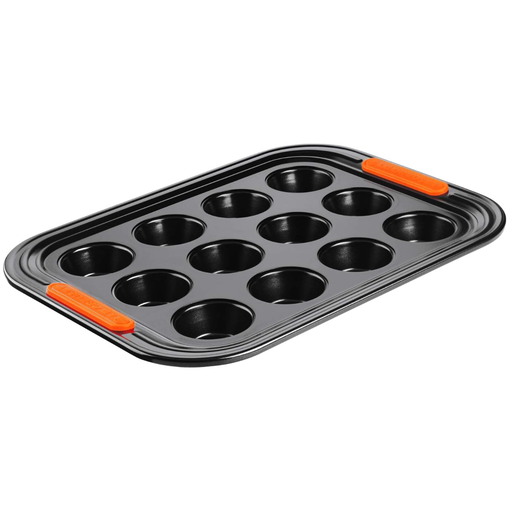
Why it's a good fit: This muffin pan from Le Creuset is representative of high-end baking accessories. It is aimed at bakers who value durability and first-class baking results and are willing to invest in their equipment.
The Le Creuset pan is made from heavy-gauge carbon steel, which prevents warping from heat. The exceptionally smooth non-stick coating, according to the manufacturer, is designed for longevity and minimizes sticking.
Warp-resistant construction for even heat distribution. Oven-safe up to 240°C (464°F). Silicone inserts on the handles for a secure grip.
We have compiled a complete, up-to-date list of products that fully meet these strict selection criteria for quality and safety.
To maximize the life of the coating, the pan should always be washed by hand with a soft sponge and mild dish soap. Avoid abrasive cleaners, steel wool, or cleaning it in the dishwasher, as this can damage the coating. After cleaning, the pan, especially the latch mechanism, should be dried thoroughly to prevent rust.
No springform pan with a removable ring can guarantee an absolute seal with extremely liquid batters, such as for a crustless cheesecake. A sturdy latch and a clean-closing rim significantly minimize the risk. A practical tip for very liquid mixtures is to wrap the bottom of the closed pan tightly with aluminum foil from the outside.
By far the most common size is the 26 cm cake pan (approx. 10 inches). Most published recipes for cakes and tortes are designed for this diameter. For smaller households or when smaller cakes are desired, pans with an 18 cm or 20 cm diameter can also be a useful addition.