
Lieferung heute & morgen

Qualitätsgarantie

Willkommens-Angebote freischalten: KOSTENLOSE Lieferung | Bis zu 80 % RABATT | Kostenlose 30-Tage-JoyPlus-Testphase
App herunterladen
A good springform pan is the heart of many baking projects, from the classic cake pan to the specialised cheesecake pan. But the market is flooded with models whose quality claims don't hold up in practice. A leaky base that soils the oven or a coating that wears off after just a few uses are common frustrations. This guide will help you identify the crucial features and make an informed choice that ensures reliable baking results for the long term.
Before we dive into the important features, let's look at the typical problems that lead to frustration and unnecessary expense.
To avoid the problems mentioned above, you should check three key aspects before buying. These largely determine the functionality, durability, and baking results of your new baking pan.
The pan's material affects both heat conduction and stability. Most springform pans are made of sheet steel, but the quality varies greatly. Look for a solid material thickness that doesn't bend easily.
The base deserves special attention. Standard models often have a simple, coated base. Higher-quality versions offer an enamelled lift-off base. These bases are not only extremely robust but also cut- and scratch-resistant. This means you can cut and serve the cake directly in the pan without damaging the surface. Furthermore, the enamel, combined with a precisely crafted rim, provides improved leak resistance. A pan with a lift-off base is therefore a worthwhile investment for ambitious bakers.
The non-stick coating is crucial for easy cake release. There are significant differences here:
The most common size is the 26 cm springform pan. It's versatile and suitable for most standard cake and torte recipes. However, depending on your needs, there are also smaller (e.g., 20 cm) or larger (e.g., 28-30 cm) models, as well as rectangular or heart-shaped ones.
The clasp is the mechanical heart of the springform pan. A good clasp is easy to open and close while simultaneously creating firm, even pressure on the base. Some manufacturers, like WMF or Kaiser, have developed innovative locking systems like the "SafeClick" mechanism. According to the manufacturer, this offers a larger grip surface and easier handling compared to traditional tension levers.
Here are some models that, based on their objective features, are suitable for different user profiles.

Why This Fits Their Persona: Ideal for bakers who value durability and reliable results. The classic 26 cm springform pan is an all-rounder for almost any recipe, from simple batter cakes to elaborate tortes.
The cut- and scratch-resistant enamelled base prevents surface damage. Its solid construction and precise rim minimise the risk of leaks.
Features a high-quality non-stick coating and a leak-proof base. Being made in Germany signifies high material and manufacturing quality.
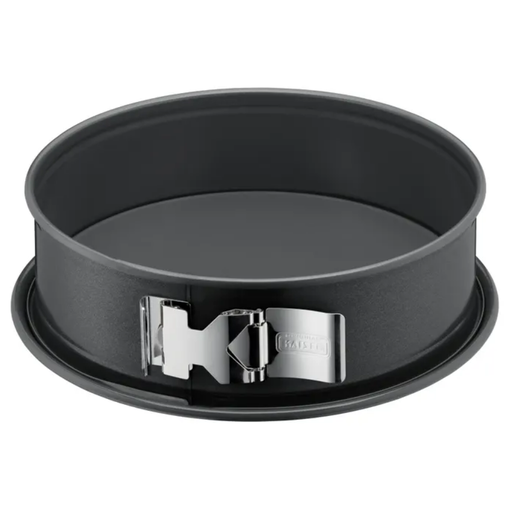
Why This Fits Their Persona: Perfect for preparing smaller cakes or demanding recipes like cheesecake, where being leak-proof is a top priority. The compact size is ideal for one- to two-person households.
Addresses the problem of leaky pans with a base described as leak-proof and the SafeClick clasp, which the manufacturer claims ensures a tight fit. The enamelled base resists scratches.
Combines a high-quality Kai Ramic non-stick coating with a cut-resistant base. The innovative clasp makes it easier to handle.
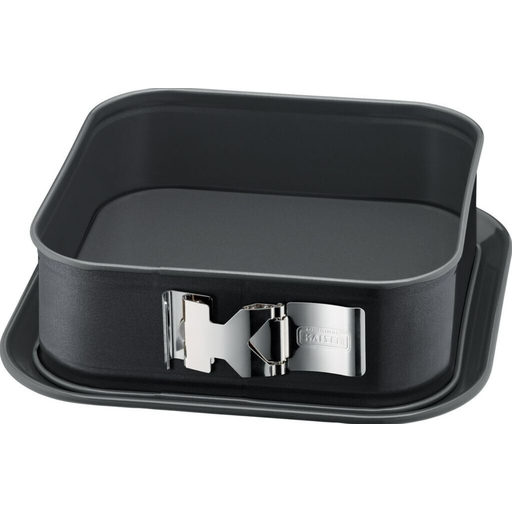
Why This Fits Their Persona: For anyone who wants to think beyond the round cake pan and also prepare brownies, sheet cakes, or savoury casseroles in a springform pan. The square shape allows for uniform pieces and efficient use of oven space.
The high-quality non-stick coating ensures effortless release of baked goods, even from the corners. The sturdy steel construction prevents the pan from warping at high temperatures.
Offers a generous 2.9-litre capacity and is heat-resistant up to 250°C. The base is dishwasher-safe, which simplifies cleaning.
We have compiled a complete, up-to-date list of products that fully meet these strict selection criteria and German safety regulations.
1. How do you clean a springform pan correctly to protect the coating? To maximise the lifespan of the non-stick coating, hand washing with warm water, a soft cloth, and mild dish soap is recommended. Even if the base of some models is declared dishwasher-safe, hand washing is gentler on the material in the long run. Avoid abrasive sponges or harsh detergents.
2. Is a more expensive springform pan always truly leak-proof? A higher price is often an indicator of better material quality, more precise manufacturing, and thoughtful design details like a special clasp or a spill-proof rim. This significantly increases the likelihood that the pan will be leak-proof. However, there is no absolute guarantee, as the viscosity of the batter also plays a role. Models with an enamelled base and a robust clamping ring generally offer the highest reliability.
3. What is the most versatile size for a springform pan? A round 26 cm diameter springform pan is considered the universal standard. Most recipes for cakes and tortes are designed for this size. It offers a good balance between the amount of batter and a reasonable baking time. For smaller households, a 20 cm or 24 cm pan can be practical, while a 28 cm or 30 cm pan is suitable for larger gatherings.