
Lieferung heute & morgen

Qualitätsgarantie

Willkommens-Angebote freischalten: KOSTENLOSE Lieferung | Bis zu 80 % RABATT | Kostenlose 30-Tage-JoyPlus-Testphase
App herunterladen
A squeeze bottle can come in handy when you’re exercising, travelling or cooking. However, squeeze bottles vary considerably in their materials, closures, ease of cleaning and dispensing control. A squeeze water bottle that looks like a bargain at first can prove impractical if the closure leaks, the opening is difficult to clean or the bottle isn’t suitable for what you want to put in it.
The label leakproof water bottle alone tells you little about how it’s designed. What matters is a suitable screw cap, a seal and a mouthpiece that closes securely. For sports bottles, the closure should stay shut during transport, too. A flip-up drinking spout can make the bottle easier to use, but you should check it regularly for residue and damage.
A sports water bottle isn’t automatically suitable for hot drinks, fizzy drinks or thick sauces. Pressure and heat can cause liquid to squirt unexpectedly from soft plastic bottles. So check the manufacturer’s temperature limits. A BPA-free water bottle is an important consideration for many shoppers; you should also be able to verify from the product label that the material is suitable for food contact.
Mouthpieces, valves and silicone seals can trap liquid residue. This is especially important with sugary drinks, drink concentrates, dairy products or sauces. Check whether the lid can be taken apart, whether the bottle is dishwasher-safe and whether the manufacturer recommends hand-washing. A wide opening makes refilling and rinsing easier.
For short training sessions or your commute, 400 to 600 ml may be enough. A 600 ml bottle often fits standard bicycle bottle cages, but takes up more room in a small bag. For a refillable travel bottle, compact dimensions and a low weight are more important.
Also consider the bottle’s body: soft PE can be squeezed to dispense liquid in a controlled way. A grippy surface can make it easier to use with one hand. For dispensing bottles used for sauces or concentrates, being able to stand securely is another useful feature.
A screw cap with a drinking spout is suitable for water and thin drinks. A sauce dispenser bottle with a narrow nozzle is better for ketchup, mustard, mayonnaise, oil or dressing. The opening should suit the contents: narrow nozzles can clog with thick products, while wide openings make precise dispensing more difficult.
If you’re using a drink concentrate in a squeeze bottle, follow the mixing instructions on the label. Concentrate is usually diluted with water and shouldn’t be drunk undiluted. You’ll find information about storage, the best-before date and use after opening on the packaging.
A PE or PP bottle is lightweight and commonly used for everyday purposes. For plastic products, check the manufacturer’s specific information on BPA-free materials, temperature range and food contact. Don’t use hot liquids unless the product is approved for them. Microwaves, freezers and fizzy drinks aren’t automatically suitable either.
Before using the bottle for the first time, wash all parts with warm water and washing-up liquid. Rinse thoroughly after each use and allow everything to dry completely. It’s particularly important not to put off cleaning a sauce bottle or a bottle used for sweetened drinks.
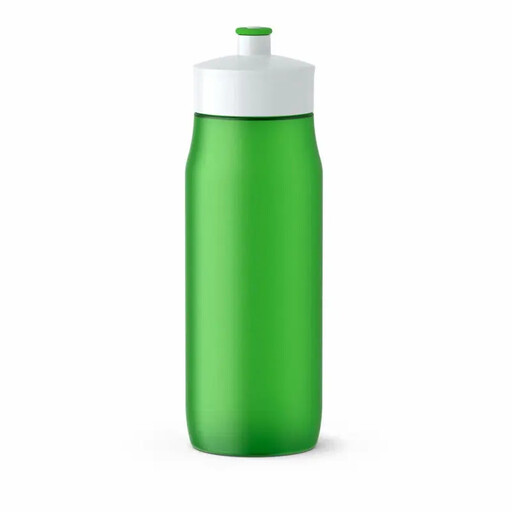
Why this product suits this user: This 600 ml sports bottle is designed for sport, outdoor activities and travel. Its soft body makes it easy to use with one hand.
The product information describes a leakproof closure, a pull-up nozzle and a hygienic external-thread design for easy cleaning.
600 ml capacity, PE bottle body, BPA-free material information and a soft-touch finish.
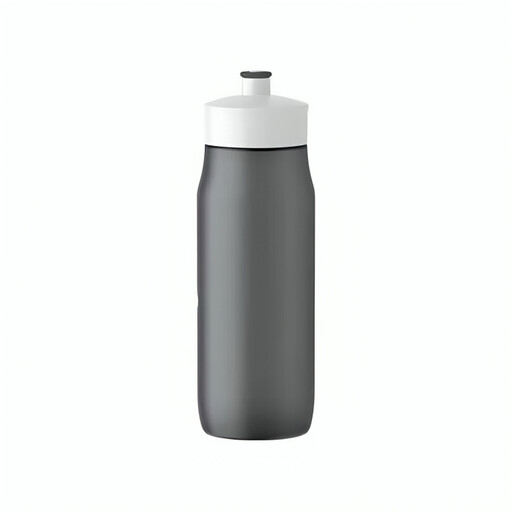
Why this product suits this user: This sports water bottle combines BPA-free PE/PP material information with a screw cap and drinking spout, and its parts can be cleaned in the top rack of the dishwasher.
The manufacturer describes a screw-on, leakproof lid and clearly states the 60 °C temperature limit and that the bottle isn’t suitable for fizzy drinks.
600 ml capacity, weighs around 98 g, measures 6.5 × 6.5 × 22.5 cm and has dishwasher-safe parts.
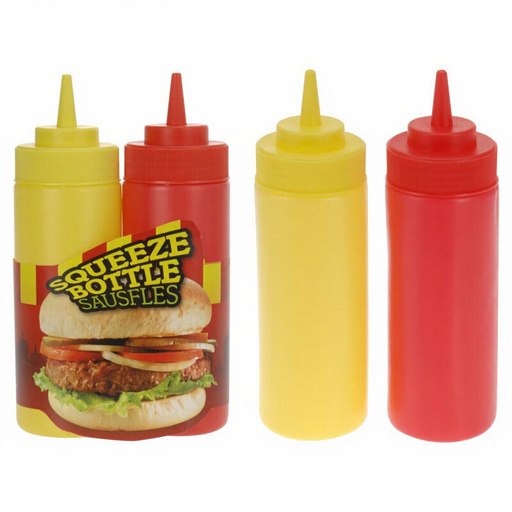
Why this product suits this user: These two 400 ml bottles are designed for kitchens, homes and catering businesses, for dispensing ketchup, mustard, oil or dressing, for example.
According to the product information, the soft bottles have a screw cap, a wide neck and a dispensing nozzle for controlled pouring.
Two bottles, each with a 400 ml capacity, made from flexible, food-safe material and featuring refillable designs and wide openings.
For travellers who want to decant shampoo or toiletries, a three-piece set with 60 ml silicone bottles may also be worth considering. The JORDAN&JUDY Travel Silicone Refillable Bottles are available via the product page. Before flying, check the current rules for liquids and the specific labelling on the set.
We’ve put together a comprehensive, regularly updated list of products that meet these strict selection criteria and fully comply with the safety regulations in force in the EU.
For sport and commuting, a 500 to 600 ml capacity, a secure closure and an easy-to-reach drinking spout are practical features. You can squeeze a soft PE bottle as you drink. Also check whether it fits your bicycle bottle cage and how it should be cleaned.
How long it lasts depends on the material, how often it’s used and how well it’s cared for. Replace the bottle if it develops cracks or deformities, the seals become damaged or it retains a persistent smell. A mouthpiece that no longer closes securely is another reason to replace it.
Yes, as long as the bottle and its contents are suitable for this purpose. Follow the label instructions for the mixing ratio, storage and how soon to use the concentrate after opening. Rinse the bottle promptly after use. Concentrates shouldn’t automatically be drunk undiluted.