
Lieferung heute & morgen

Qualitätsgarantie

Willkommens-Angebote freischalten: KOSTENLOSE Lieferung | Bis zu 80 % RABATT | Kostenlose 30-Tage-JoyPlus-Testphase
App herunterladen
A squeeze bottle can dispense sauces neatly, keep drinks close to hand when you’re out and about, or help you control how much oil you use when cooking. But some models can quickly become frustrating in everyday use: the cap leaks, the opening is difficult to clean or the material isn’t suitable for what you want to put in it.
This buying guide covers what households, keen cooks, barbecue fans, food businesses, sportspeople and travellers should look out for. We focus on practical features rather than flashy marketing claims.
A sauce squeeze bottle for ketchup or mustard needs to meet different requirements from a squeeze sports bottle. Thick sauces need a suitably wide opening and a well-designed spout. For drinks, a hygienic mouthpiece, a secure closure and easy cleaning are more important.
Many plastic bottles can be used for oil, but glass and stainless steel are also worth considering if you use them frequently. A glass oil bottle, for example, lets you see how much is left. A stainless steel oil dispenser blocks out light and can work well as a countertop bottle for regular use.
A screw cap or valve can help prevent liquid leaking during transport. But that doesn’t necessarily mean every part can be cleaned hygienically. Threads, mouthpieces, silicone seals and narrow spouts can be particularly prone to collecting residue.
So look for:
Bottles used for sugary drinks, milk-based drinks or sauces should be cleaned thoroughly after every use.
A 500 ml squeeze bottle or 600 ml squeeze bottle holds more, but also takes up more space. A slim 600 ml model can be a good choice for a bike bottle cage. For a sauce dispenser on the dining table, 250 to 400 ml is often enough. A large oil dispenser means less frequent refilling, but it’s heavier when full and needs a stable place to stand.
For dispensers used for ketchup, mustard, mayonnaise, dressings or oil, the material should be explicitly intended for food contact. A BPA-free drinks bottle is an important consideration for many buyers. You should also check the temperature limits: according to the product details, the Emsa and Tefal models in this selection aren’t intended for boiling-hot liquids.
With glass, the contents are easy to see, but the bottle can break if dropped. Stainless steel is durable and blocks out light, while a wooden handle may need special care.
A good sauce dispenser should let you control the flow without having to squeeze too hard. For a ketchup bottle or mustard bottle, a spout that dispenses sauce in a controlled way is useful. For oil, a spout with a return-flow feature or dust cover can be helpful, provided this design is actually mentioned in the product description.
For sport and travel, look for a mouthpiece that closes securely and is easy to use with one hand. According to its product description, the Tefal Squeeze Bottle has a screw cap with a drinking spout. On the Emsa, you pull the spout up to drink and push it back down to close.
A wide opening makes refilling easier and reduces the chance that you’ll need a funnel. According to its product description, the Koopman set has a wide neck and a screw cap. The Maxcook oil dispenser is described as having a large opening for cleaning and refilling.
Also consider whether you’ll be carrying the bottle on its side. A flexible squeeze bottle can deform under pressure. That’s useful when dispensing, but means you’ll need a secure closure when you’re out and about.
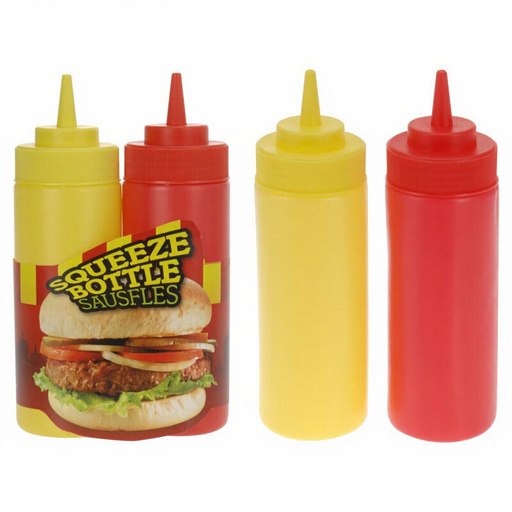
Why this product suits this profile: These two 400 ml bottles, one red and one yellow, are ideal for ketchup, mustard, oil, vinegar or dressing at home and when barbecuing.
The product description mentions a screw cap, a wide neck and a drip-free spout. These features make filling and cleaning easier.
Two 400 ml bottles; flexible, food-safe material according to the product description.

Why this product suits this profile: This stainless steel dispenser is designed for regular use with oil, soy sauce or sesame oil in the kitchen.
The product details mention an eagle-style spout, a dust cover and a wide opening for cleaning and refilling.
304 stainless steel, 500 ml capacity and an ergonomic handle, according to the product description.
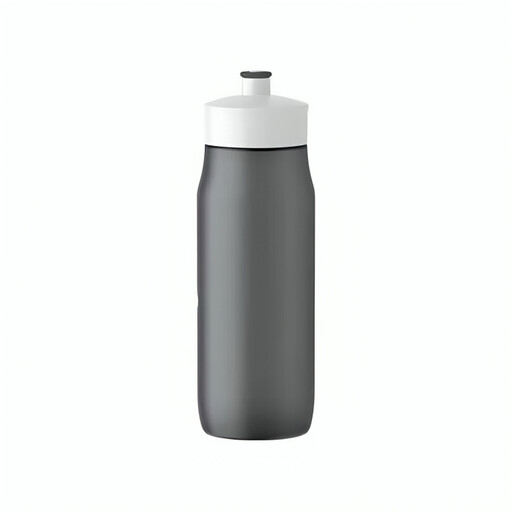
Why this product suits this profile: This 600 ml model is designed for the gym, cycling, commuting and outdoor activities.
According to the product description, the screw cap and drinking spout are designed to be leakproof. The 60 °C temperature limit must be observed.
600 ml capacity, BPA-free PE/PP material, weighs around 98 g and is dishwasher-safe on the top rack according to the product details.

Why this product suits this profile: For keen cooks who want to spread oil, honey, jam or egg evenly over food and baking tins.
According to the product description, its detachable design makes cleaning easier, while the wide opening helps you fill it without a funnel.
Soda-lime glass, removable silicone brush and 280 ml capacity, according to the product details.
We’ve put together a complete, regularly updated list of products that meet these strict selection criteria and fully comply with the safety regulations in force in the EU.
For sport, cycling and commuting, 500 to 600 ml are common sizes. A 600 ml squeeze bottle holds more liquid, but needs a suitably sized bottle cage and more storage space. For shorter journeys or smaller bags, a more compact model may be more practical.
Its lifespan depends on the material, how often it’s used and cleaned, and wear to the seal or mouthpiece. Check regularly for cracks, warping, leaks and damaged closures. Replace the bottle if it can no longer be cleaned thoroughly or the closure no longer seals securely.
With reusable bottles, the main costs are cleaning, replacement seals if needed and the contents themselves. A leakproof drinks bottle can reduce your need for single-use bottles. For sauce and oil dispensers, it’s important to minimise the amount left in the spout and make sure the bottle can be refilled completely.