
Lieferung heute & morgen

Qualitätsgarantie

Willkommens-Angebote freischalten: KOSTENLOSE Lieferung | Bis zu 80 % RABATT | Kostenlose 30-Tage-JoyPlus-Testphase
App herunterladen
For enthusiasts of characterful wines seeking new taste experiences off the beaten path, the Hungarian wine region of Eger is a remarkable discovery. The St. Andrea Winery, in particular, has made a name for itself with its precise, terroir-driven wines. This article serves as an objective guide for anyone considering a St. Andrea white wine. It provides factual information about the wines and their origins to help you make an informed choice.
Choosing the right wine becomes easier when you understand the key characteristics of the region and its wines. The following points provide a foundation for your decision.
When you decide to buy an Egri Csillag, you are purchasing a wine with a protected designation of origin. ‘Egri Csillag’ means ‘Star of Eger’ and refers to a white wine cuvée governed by strict regulations. It must be composed of at least four different grape varieties, with a minimum of 50% being Carpathian Basin varietals such as Olaszrizling, Leányka, or Királyleányka. This rule ensures the wine's regional typicity and complexity.
The Eger wine region is geologically diverse. The vineyards of the St. Andrea Winery span sites with volcanic tuff rock, loamy brown forest soil, and limestone. This mosaic of soils gives the wines a distinct structure and a character often described as a mineral-driven white wine. The continental climate, with its cold winters and hot summers, contributes to the full ripening of the grapes and promotes a balanced acid structure.
The designations Superior and Grand Superior on the label of an Egri Cuvée Superior indicate a higher quality level. These wines are subject to stricter production rules, including lower yields per hectare and often a longer maturation period. Furthermore, a Grand Superior comes exclusively from a single, classified top-rated vineyard (d?l?), which imparts the highest level of terroir expression.
Based on the characteristic features of the winery and the Eger region, we present three remarkable white wines.
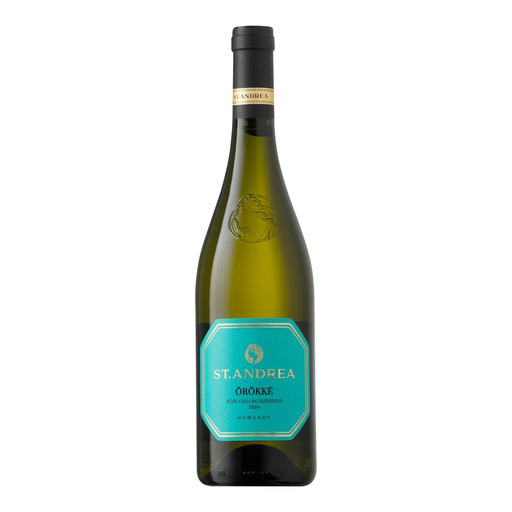
Why It Stands Out: The ?r?kké Egri Csillag Superior is a prime example of the Eger wine region's expressive power. It blends grapes from various sites with different soil profiles, resulting in a complex and fresh white wine.
Benefits:
Who It's For: This wine is aimed at connoisseurs who appreciate a fresh, medium-bodied white wine with a distinct mineral and herbal profile.
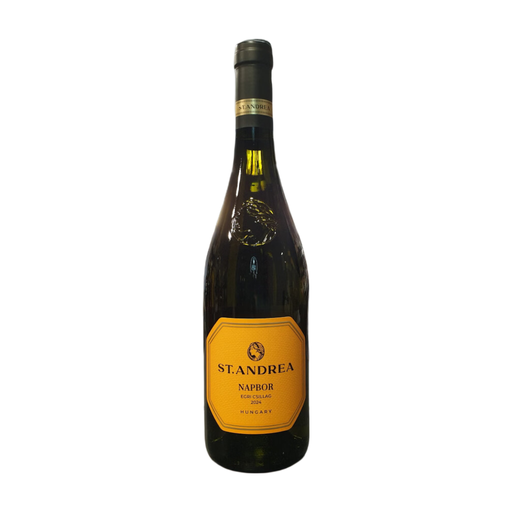
Why It Stands Out: The St. Andrea Napbor ('Sun Wine') is an Egri Csillag that reflects the bright, mineral-driven character of Eger's terroir in an elegant, cooler style. The 2024 vintage is distinguished by its vibrant, refreshing acidity.
Benefits:
Who It's For: Ideal for wine drinkers who prefer a structured white wine with clean fruit notes and a harmonious overall impression. Its characteristics make it an excellent food pairing wine.
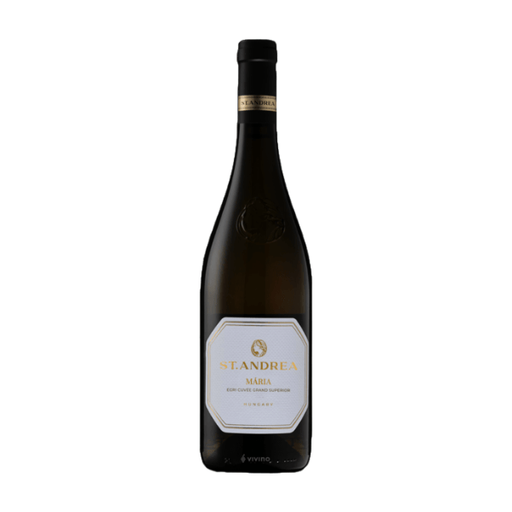
Why It Stands Out: This Egri Cuvée Grand Superior comes from the renowned Nagy-Eged-hegy single vineyard. The cooler, thinner clay soils of this site lend the wine a special finesse and a characteristic saline finish.
Benefits:
Who It's For: This wine is recommended for experienced connoisseurs seeking a complex, gastronomically versatile wine with unique saline notes and remarkable depth.
Should you wish to expand your interests beyond wine, our range includes other specialities. For example, discover our selection of high-quality wheat beer.
Hungarian white wine from Eger is distinguished by its unique combination of climate, geology, and grape varieties. The volcanic terroir imparts a distinct minerality to the wines. The use of native grape varieties in cuvées like Egri Csillag creates a distinctive, regional character that sets it apart from many international wine styles.
‘Egri Csillag’ is Hungarian for ‘Star of Eger’. It is a protected designation of origin for a white wine cuvée from the Eger wine region. Its production is subject to clear regulations that mandate, among other things, a composition of at least four grape varieties and a minimum percentage of local varietals to ensure its style and quality.
According to the producer's recommendations, the wines should be kept in a cool, dry place. This helps to preserve the wine's quality and freshness. For wines with natural corks, storing the bottle on its side is recommended to keep the cork moist.