
Lieferung heute & morgen

Qualitätsgarantie

Willkommens-Angebote freischalten: KOSTENLOSE Lieferung | Bis zu 80 % RABATT | Kostenlose 30-Tage-JoyPlus-Testphase
App herunterladen
By the Joybuy Product Recommendation Officer, August 30, 2026
We’ve all been there: an attempt to get organized ends in a wobbly tower of plastic boxes, threatening to collapse at the slightest nudge. Stackable storage boxes promise a space-saving and tidy solution, but in practice, many products become a new source of frustration. Before you invest, it's crucial to understand the common pitfalls that often only become apparent after your purchase.
Many buyers focus on volume and price, overlooking critical design features. This leads to frequent problems:
A well-considered purchase saves you not only money but also the frustration of dealing with unusable products.
To avoid the problems mentioned above, you should focus on three fundamental parameters. These determine the functionality and longevity of your storage solution.
Not all plastics are created equal. The choice of material should depend on its intended purpose.
Stackability is more than just the ability to place one box on top of another. A good storage system is characterized by a secure fit.
The lid is a critical component. Different solutions exist depending on your needs.
Based on these objective criteria, we have identified several products that offer a well-designed solution for specific use cases.
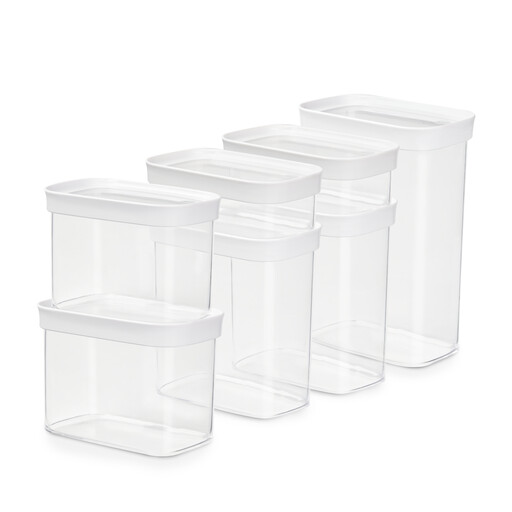
Why This Fits Their Persona: Ideal for organizing dry goods like pasta, rice, or flour. The sizes are tailored to standard kitchen cabinets to maximize space.
The lid clicks audibly into place and creates an aroma-tight seal according to the manufacturer, countering the problem of leaky lids. The non-slip stacking rims prevent unstable towers in the pantry.
Hygienic design with no gaps where residue can get trapped. The entire set is dishwasher-safe.
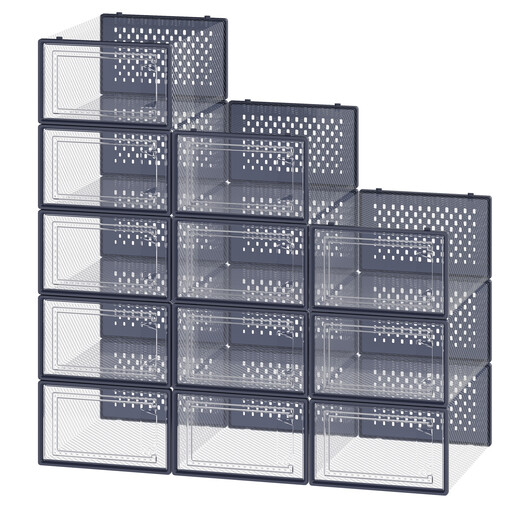
Why This Fits Their Persona: Perfect for collectors who want to keep their shoes dust-free, visible, and accessible. The uniform size creates a neat, cohesive look in a closet or dressing room.
The design allows for secure stacking without the boxes slipping. The transparent front flap solves the problem of having to unstack everything just to get one pair of shoes.
Integrated ventilation holes ensure air circulation and prevent odors. Assembly is simple via an easy-to-connect system.
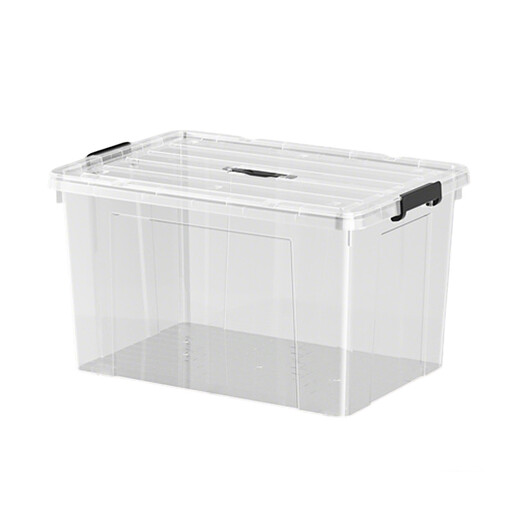
Why This Fits Their Persona: Suitable for storing larger items in the basement, attic, or garage. The large volume accommodates seasonal clothing, tools, or decorations.
The 2.5 mm thick walls and three-dimensional reinforcing ribs (per the manufacturer) prevent deformation under load. The flat lid and non-slip base ensure stable stacking.
Robust construction for heavier loads. Integrated handles make transport easier, even with heavy contents.
We have compiled a complete, up-to-date list of products that fully meet these strict selection criteria and safety regulations.
1. Can all stackable plastic boxes go in the dishwasher? No, not all of them. Whether a box is dishwasher-safe depends on the plastic used. Food storage containers made of PP or Tritan often are, while large storage boxes for the basement should usually be cleaned by hand, as high temperatures can warp them. Always check the manufacturer's instructions, which are typically embossed on the bottom of the box.
2. How do I prevent transparent boxes from yellowing or staining over time? Discoloration in transparent plastic boxes is often caused by heavily pigmented foods (e.g., tomato sauce, curry) or by UV light. To minimize this, you should avoid storing such foods in them for long periods and not expose the boxes to direct sunlight permanently. Cleaning them immediately after use also helps.
3. What does "BPA-free" mean, and why is it important for food storage containers? "BPA-free" means the product was made without the chemical Bisphenol A. Under certain conditions, BPA can leach from the plastic and transfer to food. As a precaution, especially when storing fatty or acidic foods or when heating, it is wise to use BPA-free plastic food containers to avoid potential ingestion of the substance.