
Lieferung heute & morgen

Qualitätsgarantie

Willkommens-Angebote freischalten: KOSTENLOSE Lieferung | Bis zu 80 % RABATT | Kostenlose 30-Tage-JoyPlus-Testphase
App herunterladen
Choosing the right artist-grade watercolor pencils can make or break a piece of art. However, the art supply market is filled with promises that aren't always kept. Many creatives invest in pencils that later prove unsuitable for their needs. This guide will help you navigate the common pitfalls and make an informed decision that meets your artistic requirements.
Before purchasing a set of watercolor pencils, it's important to understand the potential flaws that often only become apparent during use.
To avoid these issues, you should check three key parameters. These features are the hallmark of high-quality, professional drawing pencils like those in the STAEDTLER Karat Aquarell series.
The quality of the lead is the heart of any pencil. A high-quality watercolor lead should combine two properties: a soft, rich color laydown when dry, and complete, residue-free dissolution upon contact with water. The STAEDTLER 125 series uses highly pigmented leads known for their intense color delivery and excellent water solubility. Look for the description "fully water-soluble" to ensure you are getting true water-soluble colored pencils.
A soft lead does not have to be fragile. Manufacturers like STAEDTLER use a white protective coating that reinforces the lead and increases its break-resistance. This allows for both fine detail work and bold strokes without the lead breaking inside the wooden barrel.
The quality of the wood affects how well a pencil sharpens. Soft, yet sturdy wood prevents splintering and ensures a clean, sharp point. An increasingly important aspect for many coloring pencils for adults is the origin of the material. FSC-certified pencils guarantee that the wood comes from sustainably managed forests. According to the manufacturer, the wood used for STAEDTLER Karat Aquarell pencils is from FSC-certified sources (FSC-C007132).
Instead of a one-size-fits-all recommendation, we present targeted options for different artistic profiles.
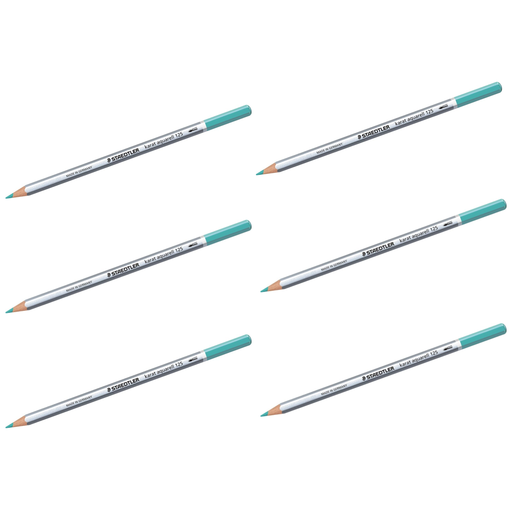
Why it's a perfect match: This mid-tone green is specifically designed for botanical illustrations and landscape art. It retains its brilliance even when heavily diluted with water, making it ideal for lifelike depictions of foliage and vegetation.
The high-density pigment core reacts instantly to water and dissolves completely, preventing harsh lines. The special lead bonding protects the soft core from internal breakage.
Artist-grade pigment quality ensures high color intensity and lightfastness. Made from FSC-certified cedar wood.
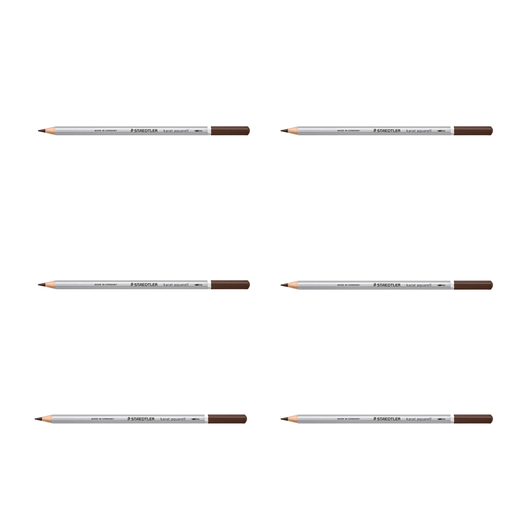
Why it's a perfect match: Sepia is a classic hue for sketches, studies, and portraits. It produces warm, earthy tones that are excellent for shading and creating depth, in both dry and wet applications.
The soft and rich color application prevents the issue of pale, weak colors. The pencil's hexagonal shape ensures a secure grip and precise control, minimizing the risk of lead breakage from slipping.
Excellent blendability for subtle transitions and shading. Equally suitable for dry drawing techniques and washed watercolor effects.
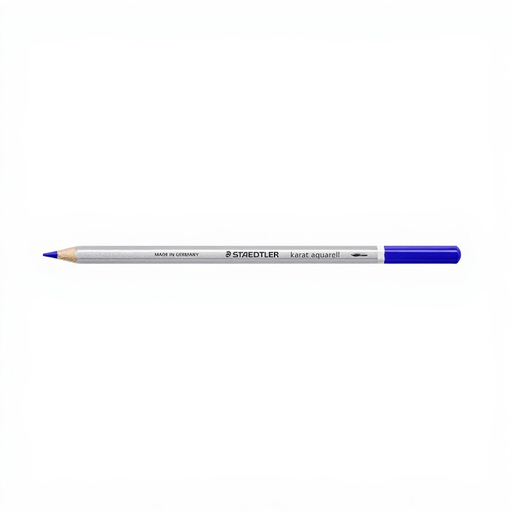
Why it's a perfect match: Purchasing a single, high-quality primary color like blue allows beginners to experience professional-grade features without immediately investing in a large set. It's ideal for experimenting with mixing techniques and basic watercolor effects.
Provides access to professional pigment quality and water solubility. This prevents the typical frustration caused by the poor performance of budget-friendly beginner sets.
Versatile enough for various techniques (dry, wet-on-wet), enabling a steep learning curve. The high quality provides motivation to continue practicing.
We have compiled a complete, up-to-date list of products that fully meet these strict selection criteria and quality standards.
To achieve the best results and prevent the paper from buckling, using dedicated watercolor paper is recommended. A paper weight of at least 200 g/m?, and ideally 300 g/m?, is optimal. The rough or matte surface of watercolor paper absorbs pigments well and withstands moisture.
Since the leads are soft, the choice of sharpener is crucial. Use a high-quality metal sharpener with a sharp blade. Turn the pencil slowly and evenly, rather than twisting the sharpener around the pencil. This reduces lateral pressure on the lead and minimizes the risk of breakage. According to STAEDTLER, models like the Mars 510 25 double-hole sharpener are recommended for ideal results.
STAEDTLER Karat Aquarell pencils are known for their high pigment quality and good lightfastness, making them suitable for professional artists and ambitious hobbyists. The exact lightfastness ratings can vary by color, but they are generally designed for artist-grade use to ensure the longevity of artworks.