
Lieferung heute & morgen

Qualitätsgarantie

Willkommens-Angebote freischalten: KOSTENLOSE Lieferung | Bis zu 80 % RABATT | Kostenlose 30-Tage-JoyPlus-Testphase
App herunterladen
As a Joybuy Product Recommendation Officer, I see artists and creators searching for the right tools to bring their visions to life every day. When it comes to watercolor pencils, the selection is vast, but the differences in quality are significant. A poor choice not only leads to frustration but can also compromise the longevity of an artwork. This guide focuses on the key features of STAEDTLER Karat Aquarell Pencils and shows you what to look for to avoid common pitfalls.
Many products on the market promise professional results, but the reality is often different. Pay attention to these three points to make an informed decision:
To avoid the problems mentioned above, you should check three technical properties before buying. These define the quality and usability of professional artist-grade pencils.
The core of a good watercolor pencil is its lead. The term "soft" refers to its ability to easily transfer pigment to paper. However, the composition of these pigments is crucial. High-quality leads, like those found in the STAEDTLER Karat series, contain a high concentration of color pigments and a special binder that dissolves completely on contact with water.
High lightfastness is not a marketing term but a measurable standard that describes the resistance of colors to UV radiation. Professional artist pencils are often classified according to standards like the Blue Wool Scale or ASTM D6901. Even if not every manufacturer specifies these scales, a reference to "high lightfastness" is an indicator of the use of long-lasting pigments.
The quality of the wooden barrel is often underestimated. According to the manufacturer, STAEDTLER Aquarell pencils use wood from FSC-certified, sustainably managed forests. This has two advantages:
Not every artist has the same needs. Here are three recommendations from the STAEDTLER Karat Aquarell series, tailored to different profiles.
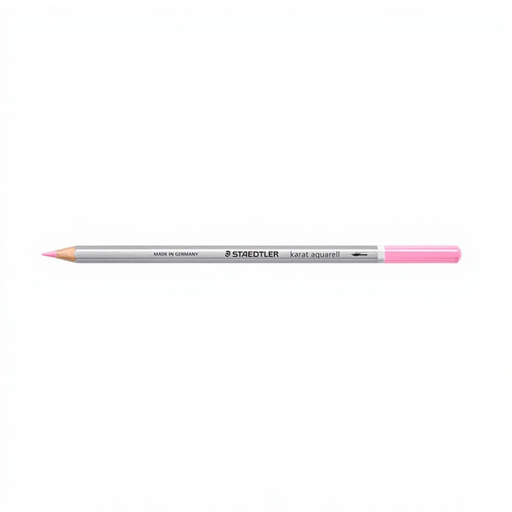
Why it's a good fit: Illustrators need control and brilliant, clean colors. This light carmine pencil allows for fine lines when dry and dissolves completely when wet, ideal for delicate floral washes or detailed character drawings.
The highly pigmented lead dissolves without a trace, avoiding the "faux-watercolor" trap of grainy residue.
The ability to purchase individual colors allows you to expand your palette strategically without buying a whole new set.
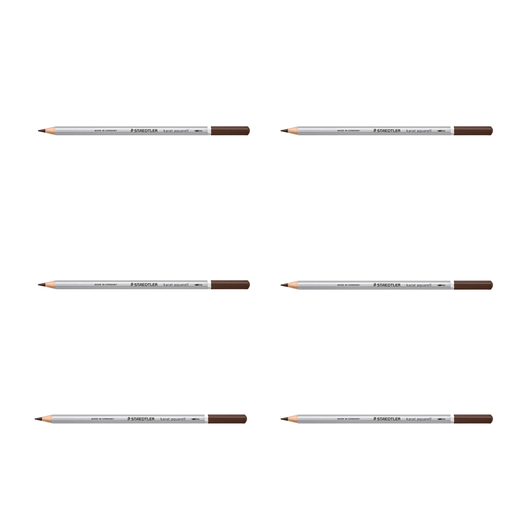
Why it's a good fit: Artists who create atmospheric depth need colors with excellent blending properties and permanence. Sepia is a classic tone for shading, sketching, and monochrome studies.
The high-quality pigment ensures good lightfastness, protecting the artwork from rapid color fading.
The soft lead allows for fantastic light effects and smooth gradients on watercolor paper, both wet and dry.
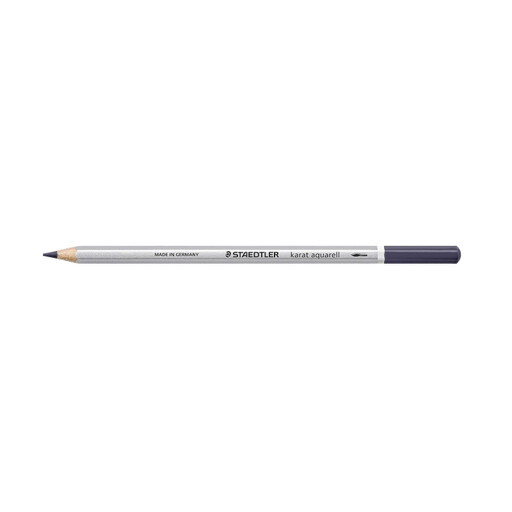
Why it's a good fit: Those starting with watercolor drawing need a reliable tool that won't cause frustration. Indigo is a versatile color for shading and mixing, and the pencil's quality ensures a positive learning experience.
According to the manufacturer, the special lead bonding provides high break-resistance, preventing material loss from constant snapping during sharpening—a typical problem with cheaper pencils.
A professional tool from the start that grows with your skills and allows for all basic techniques without quality limitations.
We have compiled a complete, real-time updated list of products that fully meet these strict selection criteria and local regulations.
To preserve the quality of the lead, watercolor pencils should ideally be stored lying flat in a dry, temperature-stable place. Storing them vertically with the tip down can damage the lead inside if bumped. Moisture can prematurely activate the lead's binder.
Yes, a key advantage of the STAEDTLER Karat Aquarell series is that many of the up to 60 shades are also available for individual purchase. This is particularly convenient for replacing favorite colors that have been used up or for expanding your palette in a targeted and cost-effective way.
For techniques involving water, special watercolor paper is essential. A weight of at least 200 g/m? (approx. 90 lb) is recommended, with 300 g/m? (140 lb) being even better. This paper is more absorbent and won't buckle as much as regular drawing paper when it comes into contact with water. A slightly textured surface also helps the paper to better grip the pencil's pigments.