
Lieferung heute & morgen

Qualitätsgarantie

Willkommens-Angebote freischalten: KOSTENLOSE Lieferung | Bis zu 80 % RABATT | Kostenlose 30-Tage-JoyPlus-Testphase
App herunterladen
A STAEDTLER Lumocolor orange marker can be used for a wide range of tasks in the office, classroom, laboratory, technical environments and creative projects. The key isn’t just the colour, but the combination of ink type, line width, tip shape and surface.
Many unsuitable purchases come down to three common assumptions:
An orange permanent marker is a good choice when you want your writing to be as smudge-resistant as possible. According to the product descriptions, STAEDTLER Lumocolor permanent markers use fast-drying, almost odourless ink. Models such as the STAEDTLER 318-4 Orange Lumocolor Permanent Marker F are designed for almost all surfaces, including film, glass, plastic and metal.
For presentations, overhead projector film, whiteboards or temporary labelling, a water-soluble marker is a more suitable choice. According to the product information, you can wipe non-permanent Lumocolor markers off smooth surfaces with a damp cloth. Even so, it’s worth testing the marker on an inconspicuous area first.
Line width affects how easy a mark is to read, whether you’re looking at it up close or from further away:
A chisel-tip marker isn’t necessarily suitable for small handwriting. For details that need to remain legible, round or synthetic tips with a fine line width are usually a better fit.
With regular use, a refillable marker can spread the initial cost over a longer period and reduce the need to replace the whole barrel. According to the product descriptions, several Lumocolor models are compatible with a STAEDTLER refill station. Make sure you use the right station for the ink type: permanent models, for example, are listed with station 487 17, while non-permanent versions use 487 15.
After use, press the cap on fully. Permanent Lumocolor models also have a Dry Safe feature; according to the manufacturer, they can be left uncapped for several days without drying out. This doesn’t replace careful storage, though.
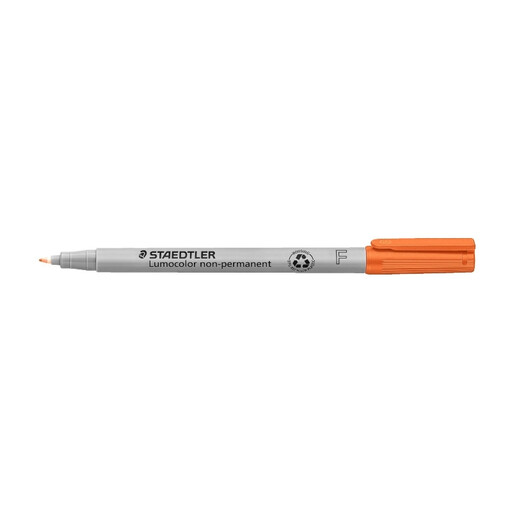
Why it’s a good fit: The 0.6 mm marker handles everyday tasks in the office, at university and in the classroom, without committing you to a very broad or very fine tip. Its non-permanent ink is designed for temporary marks on smooth surfaces.
The wipeable ink means temporary notes won’t be left permanently on film, glass or plastic. Its line width also gives you more precision than a broad chisel tip.
Water-soluble ink, an approximately 0.6 mm line width, a polypropylene barrel and refill compatibility with STAEDTLER 487 15.
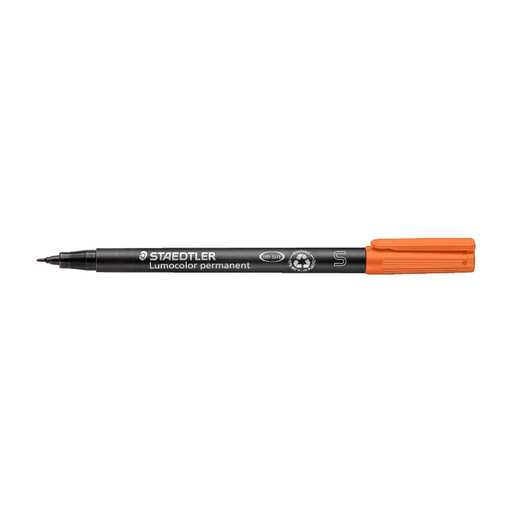
Why it’s a good fit: The 0.4 mm tip is ideal for precise labelling, technical drawings and fine marks on smooth surfaces.
The clearly specified line width reduces the risk of choosing a tip that’s too broad for detailed work. The permanent ink is designed for smudge-resistant marks.
Synthetic tip with an approximately 0.4 mm line width, fast-drying, almost odourless permanent ink and refill compatibility with STAEDTLER 487 17.
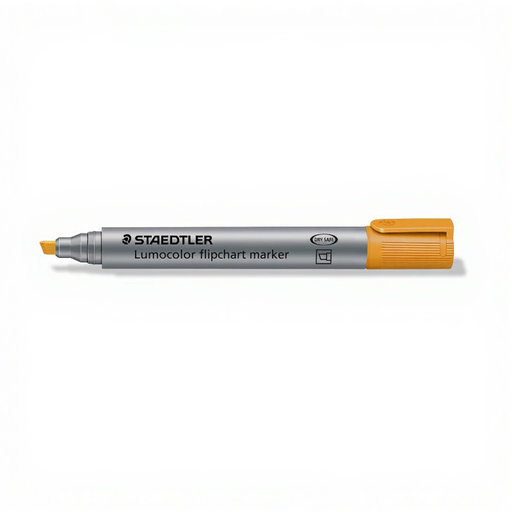
Why it’s a good fit: The chisel tip gives teachers, presenters and teams the flexibility to create different line widths for headings, diagrams and notes on paper or flip charts.
The stated 2 to 5 mm width makes it clear that this marker is suited to larger lettering. Its water-based ink is specifically described for use on paper and flip charts.
Chisel tip with variable line width, Dry Safe specification in accordance with ISO 554 and refillable design according to the product description.
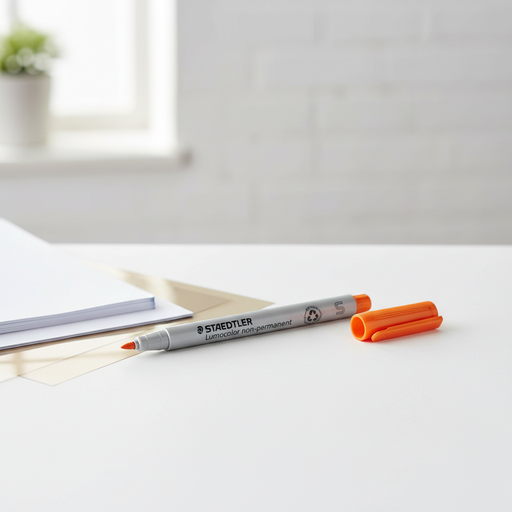
Why it’s a good fit: The fine synthetic tip is suitable for overhead projector film, transparent sleeves, glass and whiteboards when you need marks that can be removed later.
The non-permanent and water-soluble label makes it clear that this marker is designed for temporary use. According to the product description, a damp cloth is all you need to clean smooth, non-porous surfaces.
An approximately 0.4 mm line width, fast-drying water-soluble ink and refill compatibility with STAEDTLER 487 15.
We’ve put together a complete, regularly updated list of products that meet these strict selection criteria and fully comply with the safety regulations in force in the EU.
Before writing on a large area for the first time, it’s worth testing the marker on the material you plan to use it on. With plastic in particular, the surface coating, texture and cleaning products can all affect how well the ink adheres or comes off.
For permanent markers:
For non-permanent markers: Protect the mark from moisture, friction and condensation. A water-soluble marker is suitable for temporary labelling, but not for surfaces that are handled or wiped regularly.
For temporary marks on glass, consider non-permanent Lumocolor models with water-soluble ink. If you need the writing to be more smudge-resistant, a permanent model with a suitable line width is a better choice. Test it on the specific glass first.
Its lifespan depends on the line width, writing pressure, surface and frequency of use. According to the product information, you can refill a marker using the matching STAEDTLER refill station. Keeping the cap on and storing it correctly helps maintain an even flow of ink.
Depending on the surface, you may be able to remove it from smooth, non-porous surfaces with a suitable alcohol-based cleaner. On paper, untreated wood, textiles and other absorbent materials, the ink can soak in permanently. Always test the material first before using a permanent marker.