
Lieferung heute & morgen

Qualitätsgarantie

Willkommens-Angebote freischalten: KOSTENLOSE Lieferung | Bis zu 80 % RABATT | Kostenlose 30-Tage-JoyPlus-Testphase
App herunterladen
A permanent marker that fails at a critical moment is more than just an annoyance. Whether you're labelling moving boxes, marking components, or capturing ideas on a whiteboard, an unreliable pen leads to illegible results and frustration. Many users are familiar with the typical problems: the ink dries out after a short time, the writing smudges on smooth surfaces, or the pen only works on paper, but not on plastic or metal.
These shortcomings are often due to exaggerated marketing claims or poorly designed products. Before making a purchase decision, it's helpful to know the most common pitfalls:
A closer look at the key product features helps to avoid these problems and find a pen that meets your specific requirements.
To select a reliable Staedtler Lumocolor permanent marker that is right for your needs, you should consider three core aspects: the tip, the ink quality, and practical extra features.
The choice of tip significantly determines the marker's potential applications. Staedtler offers clear labelling for this:
The true strength of a permanent marker is its ability to adhere to a wide variety of materials. The ink in the Lumocolor series is designed to be permanent and smudge-proof on almost all surfaces, making it a true universal marker. Whether you need a pen for glass, plastic, metal, wood, or leather, the ink dries in seconds and is then a waterproof permanent marker. This quick-drying time is a key advantage, especially for left-handers, as it effectively prevents smudging.
Two features set the Lumocolor series apart from many other markers:
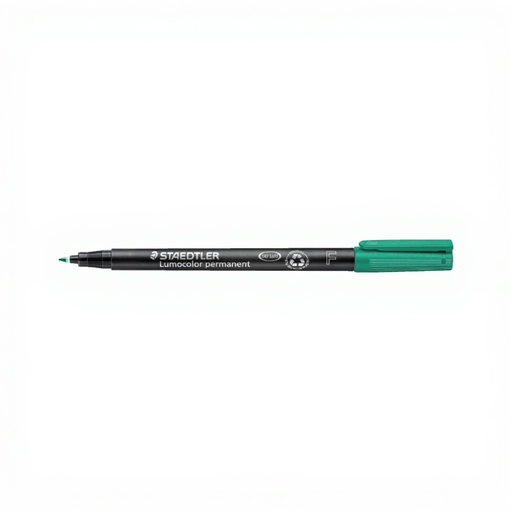
Why this model is a good fit: Ideal for users who need a fine yet robust tip for labelling file folders, lab samples, or for detailed notes on overhead transparencies. The 0.6 mm tip provides the necessary control for clean lettering.
The quick-drying ink effectively prevents smudging on smooth plastic surfaces, a common problem with standard markers.
The DRY SAFE technology ensures reliability, even if the pen is left uncapped in the heat of the moment. Additionally, the barrel is made from 97% recycled plastic, according to the manufacturer.
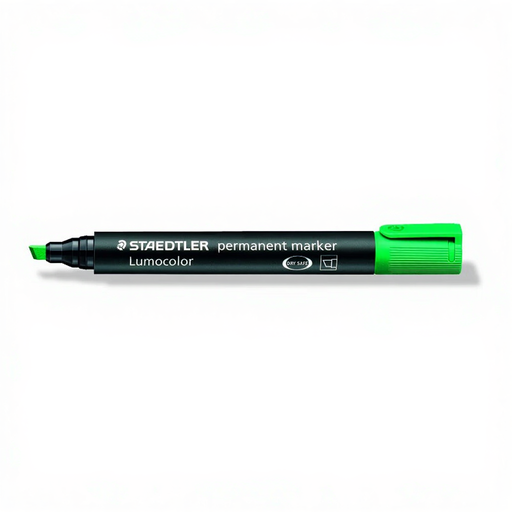
Why this model is a good fit: For anyone who needs a robust pen for varied tasks. The chisel tip allows for both wide, highly visible markings on packages and narrower lettering on tools or components.
This model solves the "material lottery" problem. The ink adheres reliably to a variety of surfaces found in warehouses or workshops, from shrink wrap to metal shelving.
The locked tip prevents the writing tip from being pushed into the barrel under heavy pressure. The variable line width of 2 to 5 mm offers maximum flexibility.
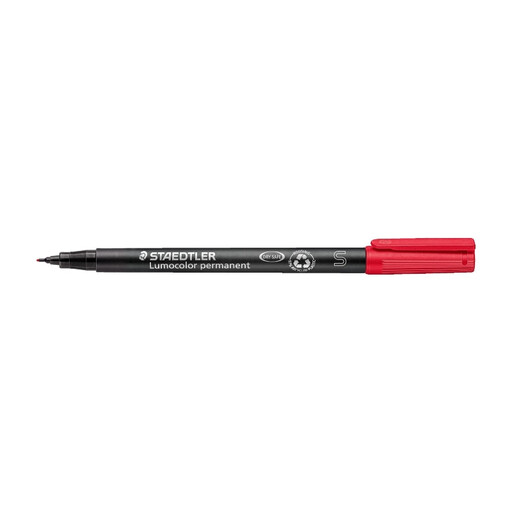
Why this model is a good fit: Perfect for anyone who relies on precise colour-coding or needs fine, permanent lines for craft projects. The superfine tip allows for writing in the smallest of spaces, such as on freezer bags or canning jars.
The "quick-dry" trap is avoided thanks to the DRY SAFE technology. When switching between different colours, you don't have to worry if a cap is left off for a short time.
The extremely high colour vibrancy ensures excellent visibility. Additionally, the pen is "Airplane-safe," which prevents leakage due to pressure changes in an aircraft—useful for business travellers.
We have compiled a complete, up-to-date list of products that fully meet these strict selection criteria.
According to the manufacturer, pens with DRY SAFE technology can be left uncapped for several days without drying out. This has been tested in accordance with the ISO 554 standard. However, for maximum lifespan, it is still recommended to close the pen with its cap when not in use for extended periods.
A refillable Lumocolor marker is inserted tip-down into the corresponding refill station (e.g., model 487 17 for fine tips or 488 50 for chisel tips). The pen automatically draws the optimal amount of ink within a few hours, without overflowing.
Yes, once dry, the ink is waterproof and highly abrasion-resistant on most smooth and non-porous surfaces. On porous materials like paper or untreated wood, the ink soaks in and is permanent. It is recommended to test the adhesion on special materials in an inconspicuous area.