
Lieferung heute & morgen

Qualitätsgarantie

Willkommens-Angebote freischalten: KOSTENLOSE Lieferung | Bis zu 80 % RABATT | Kostenlose 30-Tage-JoyPlus-Testphase
App herunterladen
A mechanical pencil is only as good as its lead. Yet, when it comes to choosing the right Staedtler mechanical pencil leads, many users face a challenge. The wrong hardness grade, unexpected breakage, or a smudgy script can compromise precision and lead to frustration. This guide will help you avoid the common pitfalls and understand the parameters that truly matter for your needs—whether it's technical drawing, creative sketching, or everyday writing.
Before investing in new refill leads for a mechanical pencil, you should be aware of the most common issues that can lead to the wrong purchase.
To avoid these problems, you should base your selection on three core criteria: hardness grade, lead diameter, and material technology.
The hardness grade determines the blackness and wear resistance of the line. The scale ranges from hard (H) to soft, black (B) leads.
The diameter of the lead affects both line width and break resistance.
The quality of mechanical pencil leads depends significantly on their composition. The Staedtler Mars Micro Carbon series, for example, uses a highly elastic formula that, according to the manufacturer, ensures high break resistance. Such leads contain a high proportion of polymers that bind the graphite and make it more flexible. Furthermore, their manufacturing process often avoids PVC and plasticisers, making them a more eco-conscious choice.
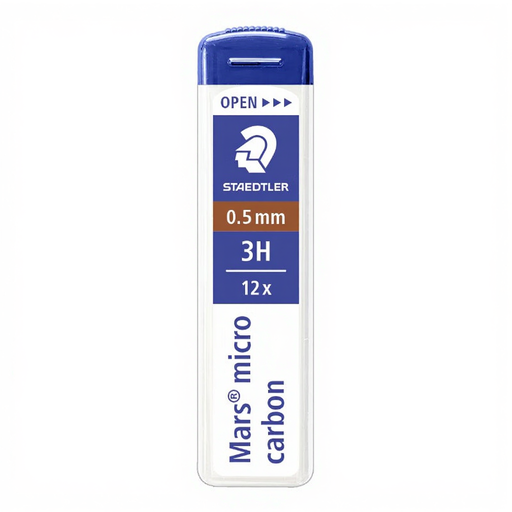
Why This Fits Their Persona: Ideal for architects, engineers, and technical drafters who need clean, non-smudging, and extremely precise lines for plans and constructions. The hard 3H grade ensures a light but crisp line.
Avoids the trap of inconsistent hardness grades with a reliable 3H rating. The carbon-reinforced formula provides high break resistance that goes beyond a mere marketing claim.
Consistent line density and clean erasability, which are essential for professional drawings. The 0.5 mm diameter allows for fine detail.
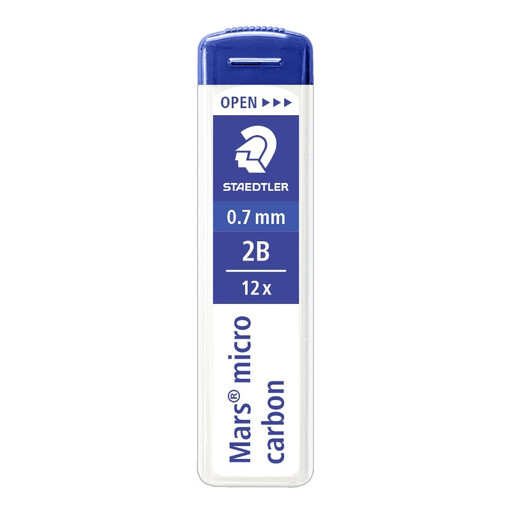
Why This Fits Their Persona: Perfect for artists, designers, and hobbyists who want a rich, dark line for sketches, shading, and dynamic drawings. The 0.7 mm diameter is robust enough for variable pressure.
Evades the smudging trap, as the formula is designed for good erasability despite the soft 2B grade. Its high elasticity provides genuine break resistance, even for soft leads.
Rich, deep black laydown for expressive lines. The "smooth-gliding" characteristic provides a fluid feel on paper and reduces hand fatigue.
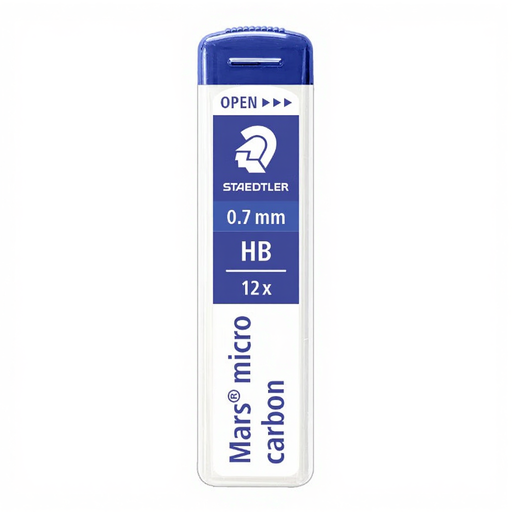
Why This Fits Their Persona: The reliable choice for students and office professionals. The HB grade is the perfect compromise for quick note-taking and sketching diagrams. The 0.7 mm diameter is forgiving of a heavier hand.
Counteracts the problem of brittle leads with its flexible and resilient composition. It offers a consistent HB grade you can rely on for daily tasks.
A balanced ratio of writing comfort, legibility, and durability. The high flexibility ensures a long lead life and uninterrupted work.
We have compiled a complete, up-to-date list of products that meet these strict selection criteria and uphold the highest quality standards.
Yes, as a rule, mechanical pencil lead diameters are standardised. A 0.5 mm lead from Staedtler will fit in any mechanical pencil designed for 0.5 mm leads, regardless of the pencil's brand. Always make sure the diameter listed on the lead packaging matches that of your pencil.
The ISO colour code is a system for quickly identifying the lead diameter. Each diameter is assigned a colour, which makes refilling easier and prevents mix-ups. Common codes include brown for 0.5 mm, blue for 0.7 mm, and yellow for 0.9 mm. Staedtler uses this marking on many of its Mars Micro Carbon packages.
It's best to keep the leads in their original packaging. This protects the fine graphite sticks from breakage and moisture. A dry place at room temperature is ideal. The dispenser cases used by Staedtler are designed not only for storage but also for the easy and safe dispensing of individual leads.