
Lieferung heute & morgen

Qualitätsgarantie

Willkommens-Angebote freischalten: KOSTENLOSE Lieferung | Bis zu 80 % RABATT | Kostenlose 30-Tage-JoyPlus-Testphase
App herunterladen
A single STAEDTLER triplus color rPP fibre-tip pen might seem straightforward at first glance. But small differences in the nib, ink, grip and materials can determine whether it’s the right choice for a pencil case, office or bullet journal. It’s worth checking the specifications before you buy, especially when choosing a single pen.
Many fibre-tip pens are described simply as ‘fine’ or ‘broad’. For neat lettering and colouring, a specific measurement is more helpful. The STAEDTLER triplus color 323 is described as having a fibre tip measuring approximately 1.0 mm. This makes it suitable for clear lines, outlines and smaller areas of colour. For very fine details or larger areas, other nib shapes may be more suitable.
Water-based, washable ink can be removed from most common fabrics. However, dyes may leave permanent marks on wood, stone, untreated paper and other porous materials. ‘Washable’ shouldn’t be taken to mean ‘removable without a trace from every surface’. If ink gets on clothing, treat the stain as soon as possible with water and regular laundry detergent.
DRY SAFE technology is useful if you need to leave a pen uncapped briefly while drawing or teaching. The product information states that, under a test in accordance with ISO 554, the pen should not dry out for several days without its cap. Dust, pressure and prolonged storage can still affect the tip, so make sure the cap clicks securely into place after use.
A fibre-tip pen with a 1 mm line width is a versatile compromise for writing, drawing and colouring. The triplus color’s synthetic tip is described as pressure-resistant. This is relevant for children, students and frequent users, as a tip that’s too soft may lose its shape more quickly if pressed down hard.
This tip width is typically suited to:
For calligraphy, fine technical drawings or colouring larger areas, specialist fineliners, brush tips or broad markers may be a better choice.
The ergonomic triangular fibre-tip pen has three defined grip sides. This shape can help you guide the pen more steadily and keep your fingers in position. However, it won’t suit everyone: children, people with smaller hands and anyone with a particular grip style should check that the diameter and shape feel comfortable.
The triplus color is therefore an interesting colouring pen for school and the office if a controlled grip matters more to you than a round barrel.
The rPP versions mentioned here are listed as having a barrel made from recycled polypropylene. This is a specific detail about the material, but it doesn’t prove that the product as a whole is made in a carbon-neutral way. If material information matters to you, distinguish between recycled plastic, packaging and the complete product.
The STAEDTLER Mix & Match colour system is useful if you want to combine shades from the 323, 334 and 338 ranges. For example, you can coordinate the colours of a triplus color pen, a fineliner and a broad marker. Before buying, check that your chosen colour is actually available in the relevant range.
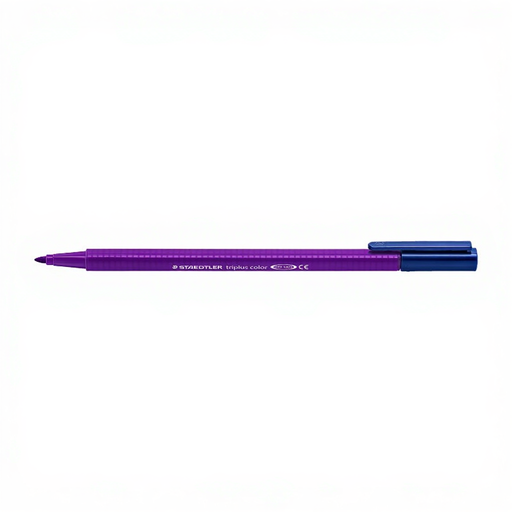
Why this product suits this profile: A single violet pen is an accessible starting point for notes, colouring books or first creative projects, without having to buy a complete set straight away.
The stated line width of approximately 1.0 mm and the water-based ink described as washable give you clear criteria to help make your choice, rather than relying on the colour name alone.
Triangular barrel, synthetic tip and a choice of individual colours; the product information lists rPP as the barrel material.
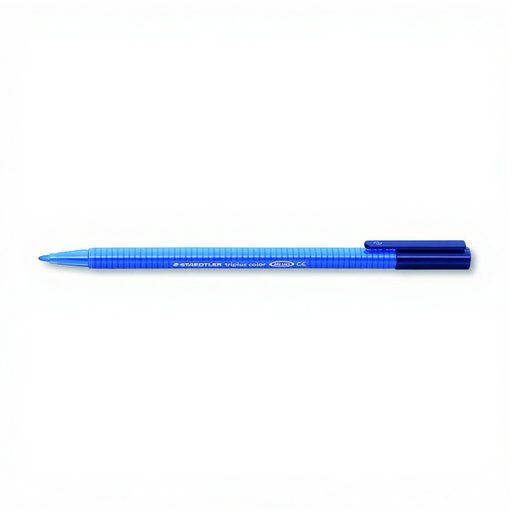
Why this product suits this profile: Cyan is ideal for structured colour-coding, sketches and coordinated layouts when you want a defined line and a complementary colour system.
DRY SAFE is linked to an ISO 554 test, but the cap should still be replaced after every use. This means you’re less reliant on marketing claims.
Approx. 1.0 mm line width, pressure-resistant synthetic tip and compatibility with the stated model ranges in the Mix & Match system.
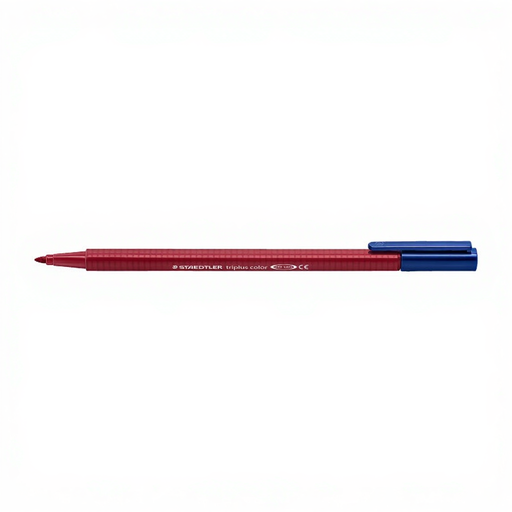
Why this product suits this profile: Carmine is well suited to illustrations, accent lines, colour contrast and regular creative use when you need a specific colour in a single pen.
The combination of a specified line width, water-based ink and a ventilated safety cap that meets the stated standards makes it easier to assess whether this pen is right for school or studio use.
DRY SAFE according to the product description, washable ink that comes out of most fabrics, and a triangular shape for controlled writing and drawing.
We’ve put together a complete, regularly updated list of products that meet these strict selection criteria and fully comply with the safety regulations in force in the EU.
For an even flow of colour, make sure the cap is fully closed after use. The product information recommends storing the pen horizontally. If you’re drawing for a long time, absorbent or suitable drawing paper can also help, as water-based ink may show through thin paper.
The caps are small parts and are not suitable for children under three. The stated ventilated caps, which meet ISO 11540 and BS 7272-1/2, reduce the risk of choking if a cap is swallowed, but they are no substitute for supervision. Do not swallow the ink or allow it to get into your eyes.
The ink is described as water-based and washable from most fabrics. This doesn’t automatically apply to wood, stone or other absorbent surfaces. Treat fabrics as soon as possible.
There’s no reliable way to give a set lifespan. It depends on how hard you press, the paper you use, how often you use the pen and how you store it. Under the stated test conditions, DRY SAFE can delay the ink drying out when the pen is left uncapped. Even so, replace the cap after every use.
The triangular shape can help you maintain a controlled, relaxed grip. Whether it feels comfortable for a particular child or adult depends on hand size and individual writing style. For school use, you should also consider the age guidance, how easy the cap is to handle and the line width you need.