
Lieferung heute & morgen

Qualitätsgarantie

Willkommens-Angebote freischalten: KOSTENLOSE Lieferung | Bis zu 80 % RABATT | Kostenlose 30-Tage-JoyPlus-Testphase
App herunterladen
As a Joybuy Product Recommendation Officer, I see customers every day who are confused by marketing promises and an overwhelming selection of products. Especially in the world of art supplies, choosing the wrong material can lead not only to frustration but also to unnecessary expense. With watercolour pencils, there are specific pitfalls that can ruin a promising piece of art before it has even truly begun.
This guide focuses on the objective features of high-quality watercolour pencils and shows you what to look for to make an informed decision. We will highlight the most common problems and explain which product characteristics are crucial to avoiding them.
Before investing in new pencils, it's helpful to know the typical shortcomings of cheaper or unsuitable products. These three issues are the most common sources of disappointment:
To avoid the problems mentioned above, you should base your selection on three core parameters. These define the quality and versatility of water-soluble coloured pencils.
The heart of any watercolour pencil is its lead. High quality is characterised by a high concentration of colour pigments. This ensures that the colours remain intense and vibrant even after being blended with water. Equally important is the lead's binding agent: it must dissolve completely and evenly upon contact with water. This is the only way to achieve the soft transitions and wash effects characteristic of watercolour painting. The STAEDTLER Karat Aquarell Pencils are known for their soft lead and high pigmentation, which allows for complete solubility.
A good pencil must also be easy to handle and sharpen. Low-quality wood tends to splinter and can damage the lead during sharpening. Look for pencils made from high-quality wood that ensures high break-resistance for the lead. A useful indicator of responsible manufacturing is the FSC certification. This seal confirms that the wood comes from sustainably managed forests. Products like the STAEDTLER Karat 125 use such wood, which benefits both the longevity of the pencil and the environment.
High-quality artist-grade watercolour pencils are more than just coloured pencils that can be blended with water. They are versatile tools that allow for various techniques:
This versatility makes them a valuable tool for hobby artists and professional illustrators alike.
Based on the criteria above, we have put together a selection of products suitable for specific user profiles.
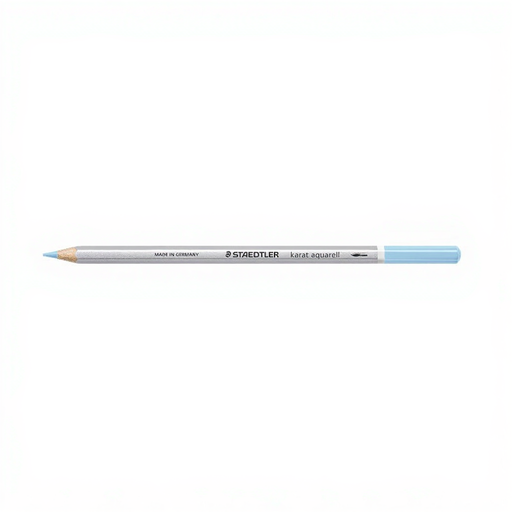
Why this product is a great fit: Ideal for artists who specifically need a certain shade for projects like skies, water reflections, or botanical accents. Buying individual colours allows you to replenish an existing set without having to invest in a completely new one.
The highly pigmented, fully soluble lead prevents the problem of grainy, undissolved colour residue, ensuring clean, brilliant washes.
High colour intensity and excellent solubility. The FSC-certified wood ensures high break-resistance for the lead.
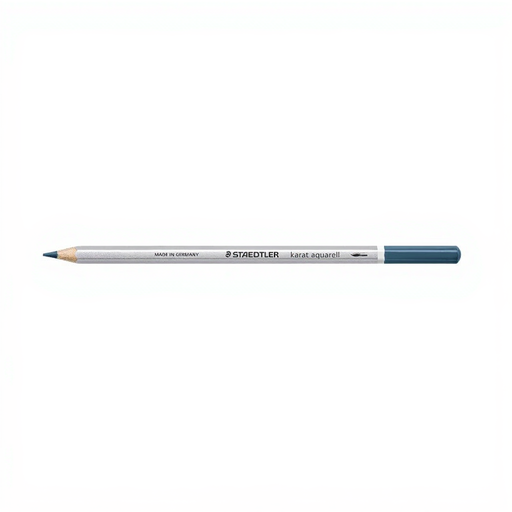
Why this product is a great fit: Hooker's Green is a fundamental shade for depicting foliage, meadows, and forests. Artists who specialise in nature subjects use this colour quickly. A 6-pack ensures this essential shade is always on hand.
The soft yet break-resistant lead withstands the variable pressure needed to create textures in leaves or bark, thus avoiding the pitfall of constant lead breakage.
A rich, natural green tone with high lightfastness. Versatile for both dry textures and broad, wet washes.
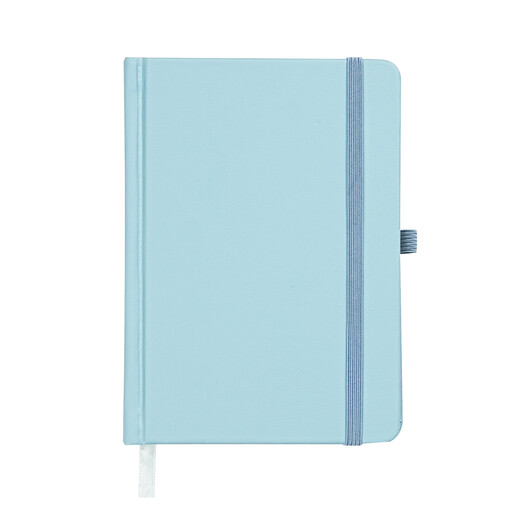
Why this product is a great fit: Urban sketchers need compact and durable supplies. This A6-format notebook is easy to carry. The paper, at 100 g/m?, is thicker than standard notebook paper and is suitable for dry techniques as well as light watercolour accents without immediate buckling or bleed-through.
It addresses the often-overlooked pitfall of unsuitable paper. The effect of high-quality pencils is nullified by paper that is too thin. This notebook provides a practical foundation for creating on the go.
Compact size, durable cover, and 100 g/m? paper. Practical details like a ribbon marker, elastic closure, and pen loop.
We have compiled a complete, up-to-date list of products that meet these strict selection criteria and quality standards.
For techniques involving a lot of water, dedicated watercolour paper with a weight of at least 200 g/m?, and ideally 300 g/m?, is recommended. This prevents the paper from warping or the surface from pilling. For dry applications or sketches with light water effects, a high-quality drawing paper over 120 g/m? can also be sufficient.
Due to their softer lead, watercolour pencils should be sharpened with a high-quality sharpener that has a sharp blade, preferably a metal one. Inexpensive plastic sharpeners can damage the wood and cause the lead to break. For an especially fine point for detail work, some artists use a sharp craft knife, but this requires caution.
Yes, their versatility is one of their greatest strengths. They can easily be combined with traditional watercolours, ink, or acrylic paints. When using them with ink, be sure to use waterproof ink so the lines don't smudge when you later apply water. They are excellent for adding details on top of dried layers of paint.