
Lieferung heute & morgen

Qualitätsgarantie

Willkommens-Angebote freischalten: KOSTENLOSE Lieferung | Bis zu 80 % RABATT | Kostenlose 30-Tage-JoyPlus-Testphase
App herunterladen
As a Joybuy Product Recommendation Officer, I see how kitchen trends evolve daily. One product that is steadily gaining traction is the stainless steel cutting board, often praised for its durability and hygienic properties. However, not every model lives up to its promise. Before you make a decision, it's crucial to understand the most common pitfalls to avoid a poor investment.
Choosing a cutting board seems simple, but certain flaws can severely limit its functionality and even shorten the lifespan of your kitchen knives.
antibacterial. In reality, the non-porous nature of the material is what truly matters. Surfaces that don't absorb liquids or particles, like high-quality stainless steel, offer bacteria little to no breeding ground from the start. A scratched plastic board can be a hygiene risk, despite any "antibacterial" coating.To make an informed decision, you should focus on objective criteria that determine the board's everyday value.
The material is the deciding factor for hygiene, durability, and ease of care.
A practical solution is a double-sided cutting board that combines the advantages of two materials—for example, a stainless steel side for meat and a plastic or wood side for vegetables.
Beyond the material, other features determine the practicality of your cutting board.
Instead of making a one-size-fits-all recommendation, we have identified products tailored to specific user profiles and needs.
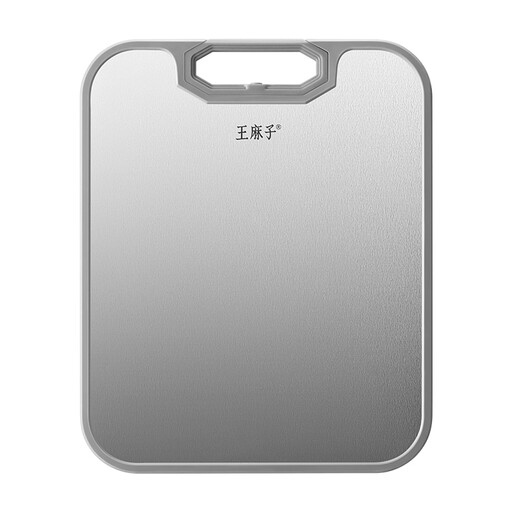
Why This Fits Their Persona: Ideal for users who place the highest priority on separating food types. This double-sided kitchen board for meat and vegetables allows for clear separation and minimises the risk of cross-contamination.
Instead of relying on vague "antibacterial" claims, its non-porous Type 304 stainless steel surface provides a demonstrably easy-to-clean and hygienic base.
The double-sided design offers versatility, while the stainless steel is odour-neutral and extremely durable.
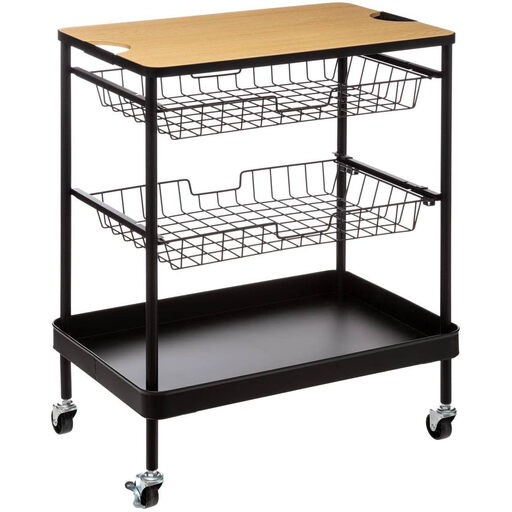
Why This Fits Their Persona: Perfect for students or those in small apartments who need a flexible kitchen setup. This kitchen trolley with a cutting board cleverly combines storage and workspace.
Instead of buying multiple separate items that clutter a small kitchen, this product offers an integrated 3-in-1 solution: storage, a mobile cart, and a sturdy work surface.
The removable bamboo cutting board is gentle on knives and easy to clean. The trolley creates valuable, mobile storage space.
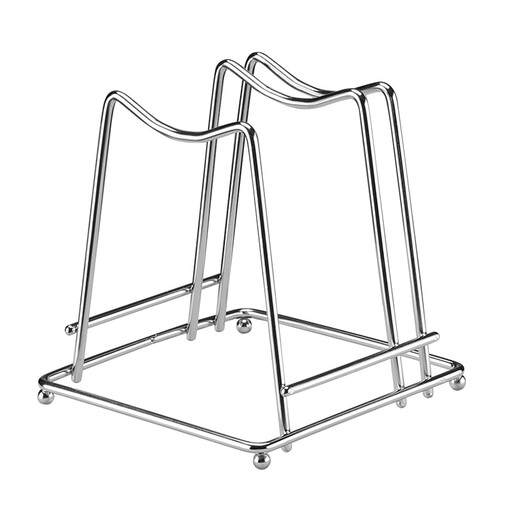
Why This Fits Their Persona: For anyone who values a tidy and efficient kitchen. This holder organises the countertop, ensuring cutting boards are within reach and stored hygienically.
It solves the problem of improper storage, which can lead to warping from moisture buildup or unhygienic conditions. The open design ensures optimal air circulation.
Made from durable, rust-proof 304 stainless steel. The design is stable enough to securely hold even heavy boards and lids.
We have compiled a complete, up-to-date list of products that fully meet these strict selection criteria and relevant safety regulations.
1. Will a stainless steel cutting board dull my knives? A common concern about stainless steel boards is their effect on knife blades. While high-quality Type 304 stainless steel is harder than wood, it is softer than ceramic, glass, or stone. With normal use and proper cutting technique, the dulling effect is minimal. For very delicate or high-end Japanese knives, it may be wise to also use a softer board, such as bamboo, for fine cutting tasks.
2. How do I clean a stainless steel cutting board properly? Cleaning is straightforward. After use, simply wash with warm water and dish soap. Most stainless steel boards are dishwasher-safe. It's important not to use aggressive, abrasive steel wool pads, as they can scratch the surface. The non-porous surface effectively prevents odours and stains.
3. Is a double-sided cutting board really necessary? A double-sided cutting board is a very practical solution for improving kitchen hygiene. It allows for the strict separation of raw meat/fish and ready-to-eat foods like vegetables or bread. This is one of the most effective methods for preventing the transfer of germs (cross-contamination) and is recommended by food safety experts.